Jewel Water Ionisers — A practical guide for U.S. wellness center owners · body
Quick answer
If your wellness center is considering a countertop or point-of-use water electrolysis unit such as the Jewel Water Ionisers, the short answer is: consider them only as an operational amenity and retail product, not as a clinical device. These units produce multiple output streams (typically alkaline and acidic water) by electrolysing incoming tap water; they can serve reception hospitality, retail sales of bottled water, beverage preparation and non-medical topical uses in spa treatments. Before purchase, verify the specific model’s electrical and plumbing requirements, ask the supplier for factory specifications (pH ranges at specified inlet TDS, electrode material and lifespan, flow rates, warranties and service options), and request written statements about any certifications claimed. Pricing is by inquiry; include site details and expected daily throughput in your quote request so the supplier can recommend a configuration and service plan.
Contents
What we mean by “Jewel Water Ioniser” and how these units are positioned
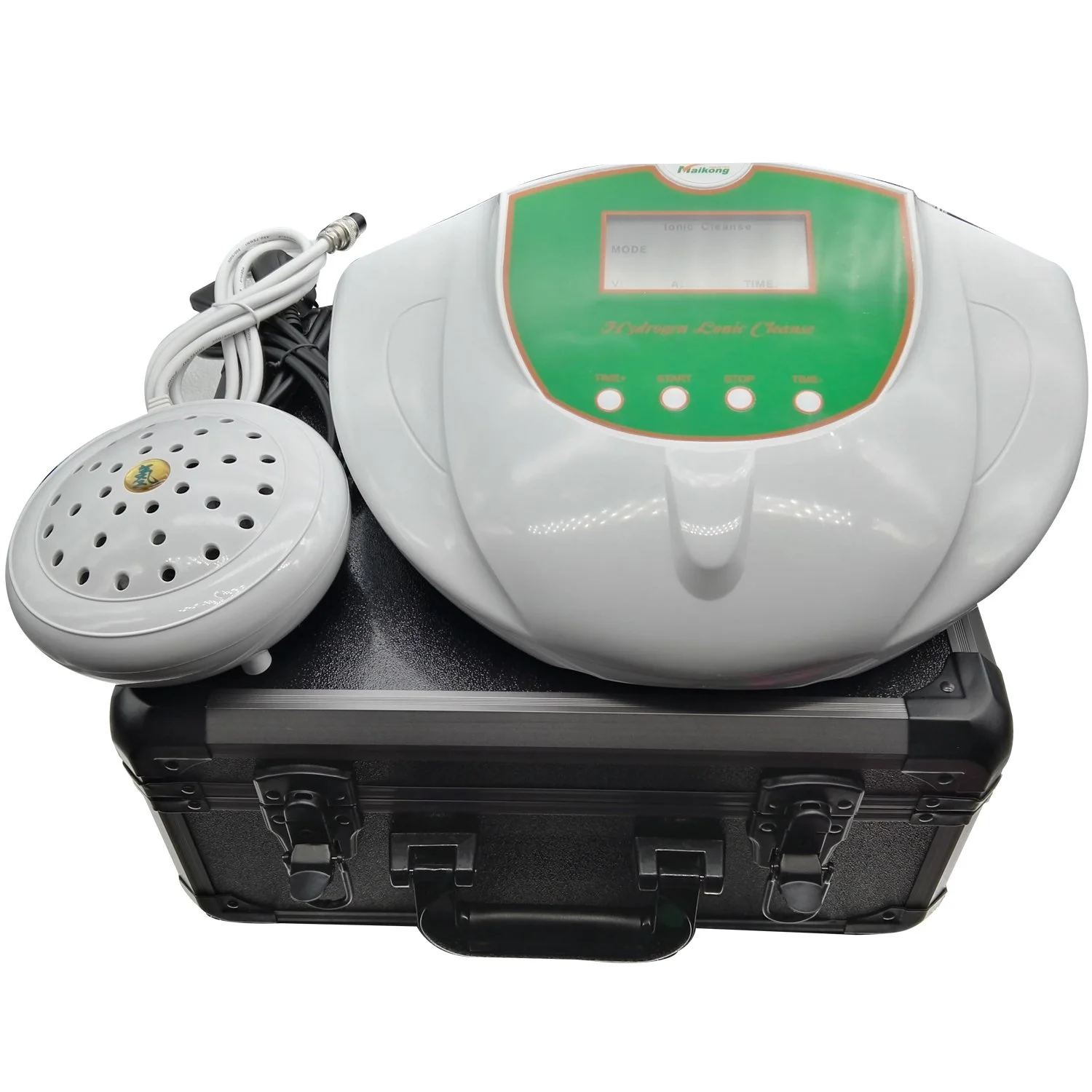
The term “Jewel Water Ioniser” refers to a family of consumer and light-commercial water electrolysis appliances marketed for producing alkaline and acidic water streams. Manufacturers typically position these units for home, spa and wellness retail use rather than as regulated medical devices. Two model identifiers we commonly see in the market are Jewel 929 and Jewel 729; these names are product tags used by suppliers. We will treat the label “Jewel” as the product family and focus on practical decisions a U.S. wellness center owner must make when evaluating such equipment.
What a water ioniser does in plain practice terms (inputs, outputs and observable features)
At a basic level, a water ioniser accepts municipal tap water, passes it through one or more internal filters, and then runs that filtered water across electrodes where an electrical current separates the stream into different outlets. The common observable outputs are:
Alkaline (higher pH) drinking water outlet
Acidic (lower pH) water outlet — often used for cleaning, topical rinses, or plant care
Neutral or filtered water outlet (bypass) in many units
Practically useful features you should confirm on any model: selectable pH levels or presets, a visible pH/ORP indicator or digital readout, the type and change interval of internal filters (activated carbon, sediment, etc.), electrode material (titanium plated with platinum is common), and a clear daily throughput or recommended flow rate. Units vary from small countertop models meant for low-volume use to larger integrated systems for continuous dispensing.
Immediate practical benefits for wellness centers — reception, spa, retail and membership use cases
From an operational viewpoint, Jewel-style ionisers can be used in several non-medical ways that support guest experience and ancillary revenue:
Reception hospitality: offer filtered alkaline water to arriving clients as a welcome amenity. A point-of-use dispenser reduces bottle storage and single-use plastics.
Spa treatment complements: use neutral or slightly acidic outlets for towel conditioning or non-invasive topical rinses where local protocols allow; alkaline water can be offered post-treatment as a beverage option.
Retail and membership packages: sell bottled alkaline water by the bottle or include refills as part of membership benefits; track sales margins versus packaged water.
Brand differentiation: presenting a “specialized water option” at reception or in the retail area can strengthen an image of specialized wellness offerings, provided claims about health benefits are avoided or carefully worded.
These are practical, service-level uses. They do not require claiming any therapeutic benefits and should be integrated into existing hospitality, retail and client-consent processes.
Realistic limitations and regulatory cautions U.S. centers must consider
We recommend a conservative approach to regulation and claims. Water ionisers are not medical devices by default; making health or treatment claims elevates regulatory risk and may create legal exposure. Specific cautions:
Marketing and claims: avoid asserting that alkaline water cures, treats or prevents medical conditions. Any language implying medical efficacy should be cleared with legal counsel.
Local codes and sanitation: some states and municipalities have plumbing or backflow prevention rules for point-of-use devices. Verify local plumbing codes before a permanent install.
Hygiene and cross-contamination: if you plan to use acidic water for topical applications, ensure staff training and single-use vessels or clear cleaning protocols; do not reuse dispensers without sanitation controls.
Certifications and safety: suppliers sometimes list CE or other markings. CE indicates conformity with certain EU rules for sale in the EEA but is not an FDA clearance or U.S. certification. Ask for the exact certificate and scope if it is presented.
Also note a practical gap in the supplier material we examined: current-country electrical and fixed-installation compatibility for U.S. sites was not included. You must confirm voltage, plug type and whether any transformer or local electrical work is necessary before purchase.
How to assess product fit for your center: five practical decision criteria
Use these criteria to decide whether a Jewel-style ioniser belongs in your center.
Use pattern and daily throughput: estimate daily liters/gallons of water you will dispense. Countertop consumer units are designed for low throughput. If you expect steady refills for dozens of clients per day, ask the supplier for continuous-duty recommendations and service intervals.
Sites of use: is the unit behind reception, inside a treatment room, or in a common beverage area? Location affects plumbing, drainage and sanitation needs.
Serviceability and spare parts: request electrode replacement intervals, filter part numbers, and expected labor for in-field service. Ask whether consumables are stocked for U.S. customers.
Observable control features: prefer units with clear pH presets, an ORP or pH readout, and an accessible filter-change indicator. These features reduce staff training and mistakes.
Supplier verification: demand written specifications for pH range at specified inlet water TDS (total dissolved solids), flow rates (L/min or GPM), power requirements (volts/Hz), electrode composition and warranty terms.
Installation and site requirements your facilities team must check
Before placing an order, confirm the following so installation is straightforward:
Plumbing connection: does the unit connect to a cold-water line with a 1/4″ quick-connect, or does it require a permanent valve? Will you install a dedicated tap or share an existing sink?
Drainage: electrolysis units often discharge acidic rinse water; confirm whether the device needs a dedicated drain or if it can route to an existing basin without violating local codes.
Electrical: confirm voltage and frequency. The supplier information we reviewed did not include explicit U.S. electrical compatibility; obtain this data before purchase to avoid retrofit costs.
Ventilation and placement: while most units produce no heat beyond warm water from the process, allow space for filter changes and service access; avoid cramped locations that complicate maintenance.
Water quality preconditions: hardness and TDS of incoming water affect ioniser performance and electrode life. If your municipal supply is very hard, plan for a pre-treatment or a stricter filter change schedule.
Basic operating and maintenance steps wellness staff must plan for
Operational simplicity reduces downtime. Plan for these routines:
Daily checks: confirm the unit powers on, test pH at preset points periodically with a handheld pH strip or meter, and note unusual odors or noises.
Filter replacement: track filter hours or months. Ask the supplier for the manufacturer part numbers and a recommended stock level of spare filters for uninterrupted service.
Electrode care: some electrodes require periodic cleaning or replacement. Request the electrode life expectancy and replacement cost from your supplier.
Sanitation: implement a sink and dispenser-cleaning protocol if clients use a common spout. Use approved cleaning agents and document procedures in your SOPs.
Record-keeping: log maintenance and pH spot-checks; this protects you if a customer later questions water quality and helps plan consumable purchases.
What to expect in a typical client session that uses water from a Jewel Ioniser
A typical non-clinical use is straightforward:
Client arrives and is offered a glass of filtered alkaline water at reception from a dedicated dispenser.
During a facial or body treatment, staff may use neutral or slightly acidic water for rinsing towels or tools when permitted by local infection-control guidance.
After the session, members may buy bottled alkaline water or use a refill station as a part of a retail add-on.
These interactions must be supported by staff training on which output to use for which purpose and by signage that avoids health claims. If you plan to offer bottled water for sale, label contents clearly and follow your state’s food and beverage handling rules.
Comparing Jewel models at a glance — what to request from the supplier
We do not have verified technical specifications for particular Jewel models in our files. Rather than list unverified specs, we recommend requesting the following parameters for any model you are evaluating. The table below is a ready-made checklist you can paste into a supplier inquiry.
Requested parameter
Why it matters
Acceptable response example
Model identifier and version
Ensures the supplier lists parts and manuals that match the shipped unit
e.g., Jewel 929, serial number, firmware version
pH ranges at specified inlet conditions
Shows expected alkalinity/acid output under realistic municipal water TDS and flow
pH 4.5–10.5 at inlet TDS 100–300 ppm, flow 1.0 L/min
Flow rate / dispensing capacity (L/min or GPM)
Determines suitability for reception vs. continuous service
0.5–1.2 L/min depending on selected mode
Power requirements (volts, Hz, plug)
Essential for U.S. installs and electrical compliance
120 V, 60 Hz, NEMA 5-15 plug
Electrode material and estimated lifespan
Impacts maintenance and long-term cost
Titanium with platinum coating; expected 3–5 years depending on use
Filter types, life and part numbers
For stocking consumables and planning replacement
Sediment + activated carbon, filter model XYZ-100, replace every 6 months
Warranty and service terms
Defines covered failure modes and cost of labor/replacement parts
1-year limited warranty for parts; extended service plans available
Certifications and declarations
To confirm safety marks and the scope of any certificates
List certificates and attach copies; specify scope and issuing body
Consumables lead time for U.S. delivery
Critical for supply continuity
Stocked in the U.S. with 7–14 day lead time
How to verify supplier claims and what proof to request before purchase
When verifying any supplier claims, insist on documentation rather than marketing language. Important proofs to request:
Written specifications: a datasheet showing pH at stated inlet TDS and flow rates, power, and materials.
Certificates and scope statements: if the supplier lists CE, ISO or other marks, ask for the certificate copy and the scope page that lists the model numbers covered.
Maintenance and consumables list: part numbers, recommended replacement intervals and unit costs for filters and electrodes.
Installation guide and electrical diagram: to pass to your facilities team for local code review.
Service network and spare-parts lead times: the supplier should confirm how consumables and replacement parts are supplied to the U.S.
If any claim cannot be supported by a document, treat it as unverified. For electrical compatibility and local code compliance, consult a licensed U.S. plumber or electrician with the supplier’s installation guide in hand.
Practical risks and limitations to budget for
Expect recurring costs and performance variability. Typical risks we see in practice:
Consumable cost: filters and electrodes are recurring expenses and can be the largest lifecycle cost if water quality is poor.
Variable outputs: pH and ORP outputs vary with inlet water chemistry; a unit that performs in one city may produce different pH values in another without pre-treatment.
Warranty gaps: some warranties exclude electrode wear or damage from improper inlet water; confirm exclusions.
Regulatory missteps: overstating health benefits can attract warnings from state or federal agencies.
Because our available supplier materials did not include full U.S.-installation technical data, you must verify electrical and plumbing compatibility directly with the supplier before committing to purchase.
Pricing and quotation: why price is on inquiry and what to include in your quote request
Jewel-style ionisers are commonly priced on inquiry because configuration, shipping, consumable packaging and warranty options vary. To get a meaningful quote, include this information in your request:
Model(s) of interest (e.g., Jewel 929 or Jewel 729), or ask the supplier to recommend models for your throughput.
Installation address (U.S. state and zip) so the supplier can calculate freight, taxes and identify local service partners if available.
Estimated daily liters/gallons dispensed and whether dispensing is continuous or intermittent.
Desired warranty and service plan preferences (on-site service, remote support, spare parts stocking).
Any required certification or documentation for purchase approval by your procurement team.
Include contact details and request lead times for unit delivery and for consumables. If the supplier cannot confirm U.S.-compatible power, explicitly request that detail.
Checklist for your supplier inquiry (copy/paste)
Use this checklist when you email a supplier so you get a comparable, useful quote:
Model identifier and datasheet
pH output ranges at inlet TDS X ppm and flow Y L/min (please specify tested conditions)
Power: voltage, Hz, plug type
Electrode composition and expected lifespan
Filter types, part numbers and recommended change intervals
Warranty text and service plan options
Consumable pricing and lead times to the U.S.
Installation manual and electrical diagram
Copies of any certifications with scope statements
Suitability scenarios — when we would recommend a Jewel-style ioniser
These are practical scenarios where we consider a Jewel-style unit a reasonable fit:
Low-volume reception hospitality where a single countertop unit will serve welcome drinks.
Retail-focused centers that plan to sell bottled water or offer refill subscriptions and want a visible point-of-use dispenser.
Centers seeking a non-medical, cosmetic adjunct for certain treatments where acidic water is used for tool or towel management, and local sanitation rules permit it.
If you need continuous high-volume dispensing or intend to use water as part of a regulated clinical protocol, a commercial-grade system and consultation with clinical and facilities professionals will be necessary.
What to request beyond the datasheet — three verification must-haves
When you receive marketing materials, insist on:
Test conditions for pH listings: pH outputs are meaningless without the inlet water TDS and flow rate used during testing.
Electrical drawing and U.S. compatibility statement: confirms whether the unit ships ready for 120 V/60 Hz use or needs conversion.
Consumable SKU list and U.S. stock status: prevents long lead times that interrupt service.
FAQ (brief)
Can we claim health benefits for customers who buy our water?
No. Do not claim therapeutic or preventative health benefits. Label and market the water as a beverage or amenity. Consult legal counsel for compliant wording in your state.
Do these units require special plumbing permits?
Possibly. Regulations vary by municipality. Provide the supplier’s installation manual to your facilities or a licensed plumber to confirm whether a permit or backflow prevention is required.
Should we buy a unit with a pH readout built in?
Yes — a visible pH readout or easy testing method reduces staff error and improves guest transparency. If the unit lacks a digital pH display, plan to stock handheld pH strips or a meter.
One practical next step
If you want a supplier quote or a configuration recommendation tailored to your center’s throughput and site conditions, request a written quote including the checklist above. We can assist with consolidating the inquiry and ensuring the supplier provides the electrical and installation documentation you need.
本文仅供一般信息参考,不能替代医生诊断或治疗,也不作为医疗诊断依据。
This content is provided for learning, information sharing and professional communication only. It is not medical advice and is not a basis for treatment or diagnosis. Confirm suitability, operation and purchasing requirements against the product manual, local regulations and qualified professional guidance.