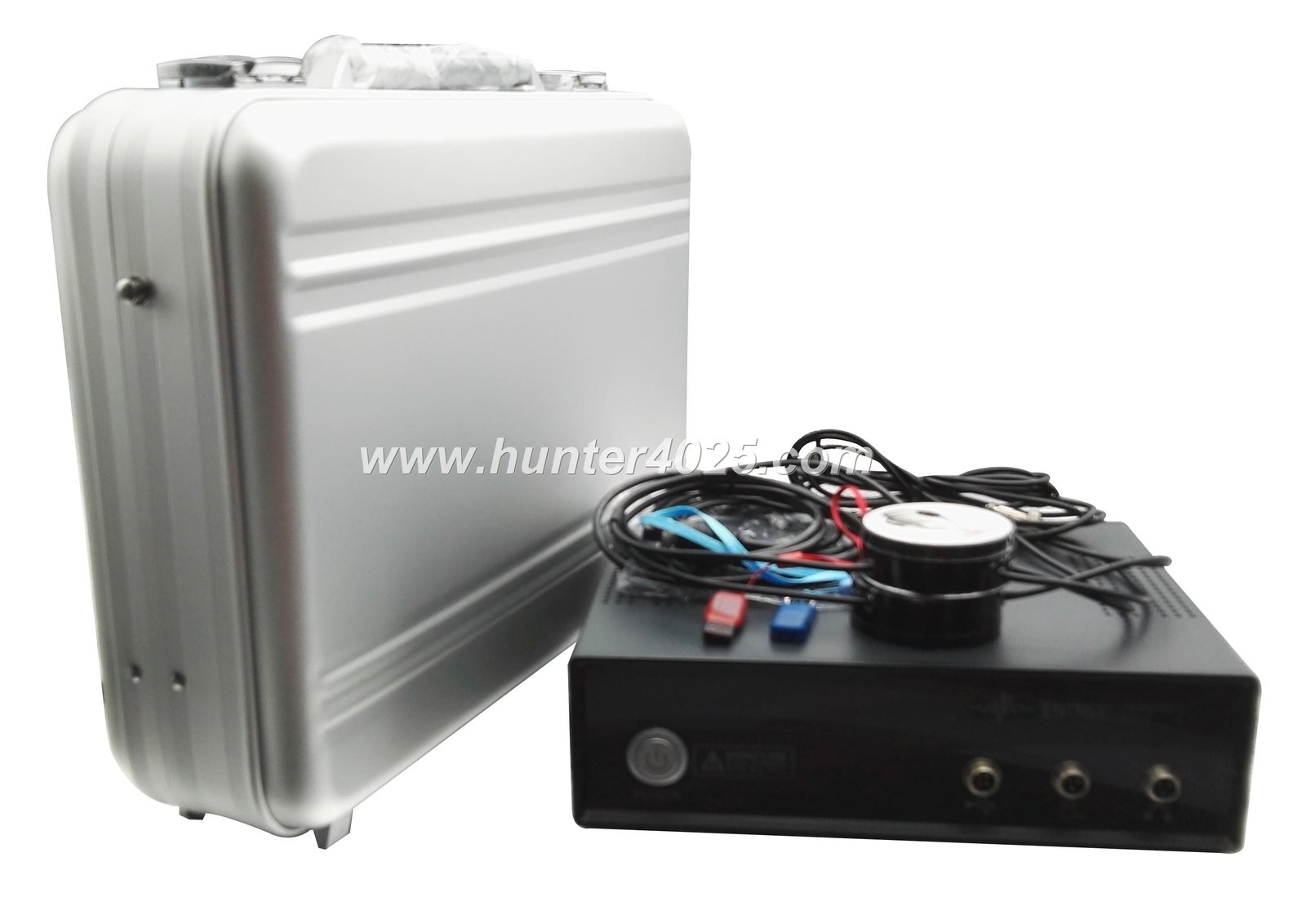
The Hunter 4025 represents the pinnacle of this technology. But does it justify replacing your current equipment? This comprehensive analysis examines every aspect of upgrading from older NLS models to the latest generation.
We’ll explore technical specifications, practical performance, cost considerations, and real-world applications. By the end, you’ll have the information needed to make an informed investment decision for your practice.
Considering an Upgrade? Let’s Talk
Connect with a MAIKONG NLS specialist to discuss your specific practice needs and upgrade timeline.
The Evolution of NLS Technology: From First Generation to Hunter 4025
Non-linear analysis systems emerged from theoretical work initiated by Nikola Tesla in the late nineteenth century. His groundbreaking research into nonlinear quantum generators laid the foundation for modern bioresonance technology.
The journey continued through pioneering scientists. J. Lakhovsky studied radio frequency effects on biological systems. R. Rife explored both radio and electrical frequencies’ impact on human bio-fields.

In 1950, R. Folle in Germany discovered methods for electrically testing acupuncture points. This breakthrough connected ancient Eastern medicine principles with modern electronic diagnostics.
First Generation NLS Systems: The Foundation
Early NLS devices were revolutionary but limited. They scanned only major organ systems. Processing speed was measured in minutes rather than seconds.
These systems required extensive manual calibration. Practitioners needed significant training to interpret results accurately. The user interface was text-based and intimidating for newcomers.
Database libraries contained perhaps 500 to 800 reference standards. This limited the scope of conditions that could be detected and analyzed effectively.
Second Generation Improvements
The next wave brought graphical interfaces and faster processors. Scanning time dropped from minutes to under a minute for full body analysis.
Database expansion increased reference standards to approximately 1,200 items. This allowed detection of more subtle imbalances and a wider range of conditions.

These models introduced basic therapy functions. Practitioners could perform meta-therapy sessions using the same device used for diagnostics.
Current Generation: The Hunter 4025 Standard
Today’s Hunter 4025 represents a quantum leap forward. The system analyzes 1,432 organs and tissues with a database of 4,025 digitized spectral standards.
Scanning speed has reached an unprecedented 2 seconds per item. This means a comprehensive full-body scan completes in minutes, not hours.
The Metatron Hunter 4025 NLS system delivers 95% accuracy in research studies. This precision level exceeds most earlier models by significant margins.
Modern software includes multidimensional virtual scanning, entropy analysis, and smart filtering. These features were impossible on older NLS hardware platforms.
Technical Specifications: Hunter 4025 vs. Older NLS Models
Numbers tell an important story. Let’s examine the concrete technical differences between current and previous generation systems.
| Specification | Older NLS Models | Hunter 4025 | Improvement |
| Scanning Items | 800-1,200 organs/tissues | 1,432 organs/tissues | +19-79% coverage |
| Database Standards | 1,500-2,500 etalons | 4,025 etalons | +61-168% precision |
| Scan Speed | 5-15 seconds per item | 2 seconds per item | 2.5-7.5x faster |
| Accuracy Rate | 75-85% | 95% | +10-20 percentage points |
| Internal Generator | 3.8-4.5 GHz | 4.9 GHz | +9-29% frequency |
| Software Updates | Yearly or less frequent | Quarterly updates | 4x more frequent |
| OS Compatibility | Windows XP, Vista, 7 | Windows XP, 7, 8, 10, 11 | Future-proof |
| Language Options | 3-5 languages | English, German, Russian, Chinese, Polish, +more | Expanded international use |

Processing Power and Speed
The Hunter 4025 processes information at dramatically higher speeds. A complete organ system scan that took 45 minutes on older equipment now completes in under 15 minutes.
This speed improvement isn’t merely convenient. It reduces patient session time, allowing you to serve more clients daily without sacrificing analytical depth.
The faster processor also enables real-time analysis features. You can watch entropy levels change during therapy sessions, adjusting treatment protocols on the fly.
Database Depth and Breadth
The 4,025 spectral standards in the Hunter 4025 database represent a massive knowledge expansion. This includes rare conditions, environmental toxins, and emerging pathogens.
Older NLS systems often missed subtle imbalances because they lacked reference points. The expanded database closes these gaps significantly.

Each etalon is digitized with higher resolution than previous generations. This means more accurate matching between patient readings and reference standards.
Hardware Reliability and Build Quality
Component quality has improved substantially. The headphone sensor in the Hunter 4025 uses upgraded materials that withstand daily clinical use better than earlier versions.
USB connections are reinforced. Cable strain relief prevents the connection failures that plagued some older NLS models after extended use.
The aluminum carrying case is redesigned for better protection during transport. For practitioners attending health fairs or conducting mobile services, this durability matters.
Software Sophistication
The Metapathia Hunter software platform includes advanced analytical tools unavailable in previous versions. Smart filtering automatically removes noise from readings.
Entropy analysis provides a mathematical assessment of system disorder. This objective measurement complements visual assessments for more precise diagnosis.
Comparative analysis features let you track patient progress over time. Side-by-side scans from different dates clearly show improvement or deterioration.
Want Detailed Technical Documentation?
Request complete specifications, white papers, and technical comparisons for the Hunter 4025 system.
Diagnostic Capabilities: What the Hunter 4025 Can Detect That Older NLS Models Cannot
Expanded capabilities translate directly into better patient outcomes. The Hunter 4025 identifies conditions and imbalances that earlier systems couldn’t detect reliably.
Ultramicroscopic Analysis
The system performs ultrastructure analysis at the cellular and subcellular level. This means examining mitochondria, cell membranes, and even chromosomal structures.
Older NLS devices operated primarily at the organ and tissue level. They might identify liver stress but couldn’t pinpoint specific cellular dysfunction patterns.
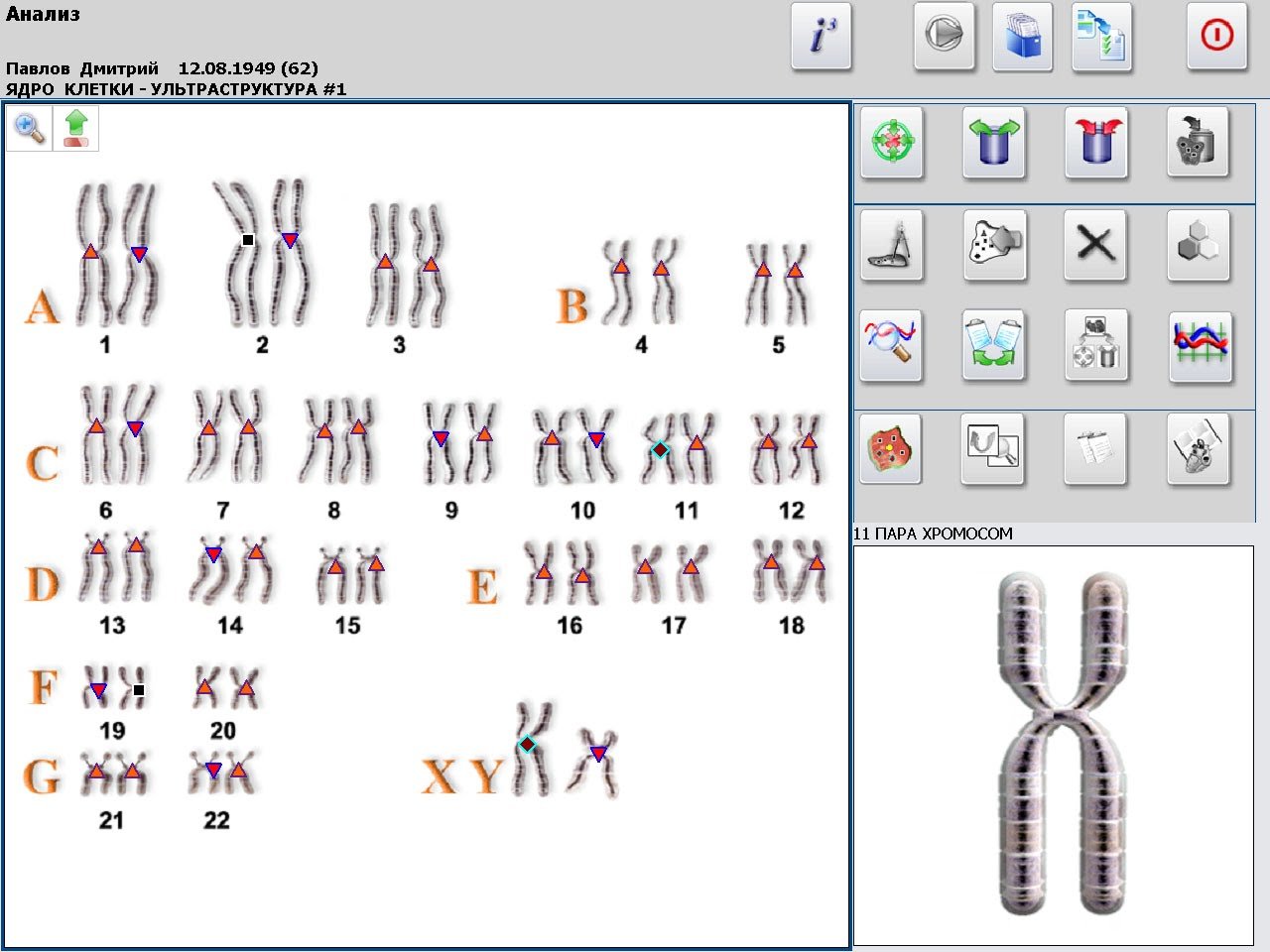
This granular analysis helps identify problems earlier. You can detect mitochondrial dysfunction before it manifests as chronic fatigue or metabolic disorders.
Pathogen Identification
The expanded database includes spectral signatures for bacteria, viruses, fungi, and parasites. The Hunter 4025 can identify specific strains with high accuracy.
Previous generation systems offered general pathogen categories. They might indicate “bacterial presence” but couldn’t specify whether it was Staphylococcus, Streptococcus, or another organism.
Precise pathogen identification allows targeted treatment. Instead of broad-spectrum approaches, you can select remedies specific to the detected organism.
Allergen and Toxin Detection
Environmental toxins proliferate in modern life. The Hunter 4025 screens for heavy metals, pesticides, industrial chemicals, and electromagnetic pollution.
Food sensitivity testing has also improved. The system tests against hundreds of common foods, additives, and preservatives that older NLS models couldn’t assess.
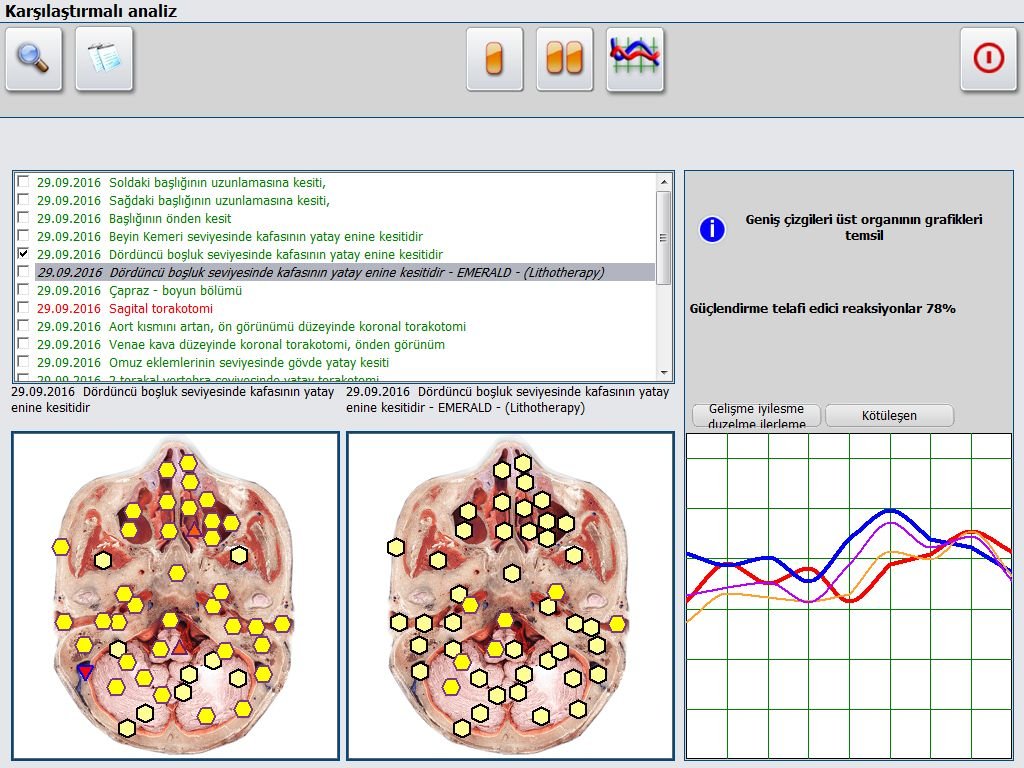
This capability is particularly valuable for patients with unexplained symptoms. Many chronic conditions stem from unidentified food sensitivities or toxin accumulation.
Hormone and Neurotransmitter Balance
The system evaluates endocrine function with unprecedented detail. It assesses not just thyroid hormones but also adrenal hormones, sex hormones, and growth factors.
Neurotransmitter analysis provides insights into brain chemistry. Imbalances in serotonin, dopamine, GABA, and other neurotransmitters often underlie mood disorders and cognitive issues.
Older NLS models offered basic endocrine assessments. They couldn’t perform the comprehensive hormone panel that the Hunter 4025 delivers non-invasively.
Cardiovascular System Detail
Vascular analysis extends beyond major vessels. The Hunter 4025 examines capillary health, blood viscosity, and microcirculation patterns.
This level of detail helps identify cardiovascular risks before they become emergencies. You can detect atherosclerosis formation in its earliest stages.
Blood component analysis has also advanced. The system evaluates red blood cells, white blood cells, platelets, and plasma characteristics without drawing blood.
Therapeutic Functions: Advanced Treatment Modalities in the Hunter 4025
Diagnostics represent only half of the equation. The Hunter 4025 includes sophisticated therapy capabilities that extend beyond what older NLS systems offered.

Meta Therapy Enhancements
Meta therapy uses modulated electromagnetic oscillations to correct informational distortions in the body. The Hunter 4025 delivers these corrections with greater precision than previous generations.
Treatment protocols are now customizable based on real-time entropy readings. The system adjusts frequency and intensity automatically to optimize therapeutic effect.
Session duration has decreased while effectiveness has increased. Treatments that required 45 minutes on older NLS equipment now complete in 20-30 minutes with superior results.
Lithotherapy (Stone Therapy)
The system incorporates spectral characteristics of minerals and gemstones. Practitioners can apply these healing frequencies without needing physical stones.
The database includes over 200 mineral signatures. Each stone’s unique vibrational pattern is available for therapeutic application.
This feature was limited or absent in most older NLS models. It opens new treatment possibilities for practitioners interested in vibrational medicine.
Phytotherapy Integration
Plant-based healing has ancient roots. The Hunter 4025 contains spectral signatures of medicinal herbs from various traditional medicine systems.

You can test which herbs will work best for each patient before recommending supplements. This eliminates guesswork and improves treatment outcomes.
The system can also “imprint” herbal frequencies onto water, alcohol, or sugar matrices. Patients receive custom preparations tailored to their specific needs.
Bach Flower Essence Therapy
Emotional and psychological factors significantly impact physical health. The Hunter 4025 includes Bach flower essence frequencies for psycho-emotional correction.
This subtle energy medicine addresses underlying emotional patterns that contribute to disease. It’s particularly effective for stress-related conditions and psychosomatic complaints.
Earlier systems rarely included this capability. Its addition reflects a more holistic understanding of health and wellness.
Preparation Making (“Reprinter” Function)
Perhaps the most innovative therapeutic feature is information-wave recording. The system can imprint healing frequencies onto various matrices.
You can create custom homeopathic-style preparations specific to each patient. These carry the exact spectral information needed to correct identified imbalances.
The non-linear diagnostic system can even record inverted pathogen frequencies. These act similarly to homeopathic nosodes, supporting the body’s defense against specific microorganisms.
User Experience and Interface: Why Practitioners Prefer the Hunter 4025
Technical specifications matter, but daily usability determines whether equipment becomes a practice cornerstone or sits unused. The Hunter 4025 excels in practical operation.
Interface Design and Navigation
The software interface has been completely redesigned for intuitive operation. Icons are clear and logically organized. Common functions require fewer clicks than in older NLS systems.
Color coding helps identify problem areas at a glance. Red indicates significant imbalances, yellow suggests moderate concerns, and green shows optimal function.

Three-dimensional visualization allows rotation and zooming. You can examine organs from multiple angles, making it easier to explain findings to patients.
Report Generation
Creating patient reports is streamlined significantly. The system generates comprehensive reports automatically, complete with visual aids and recommendations.
Reports are customizable. You can include or exclude specific sections based on patient needs and appointment time constraints.
PDF export is standard. This allows easy email delivery to patients or electronic medical record integration.
Older NLS report features were often clunky. Practitioners spent considerable time manually formatting and editing output documents.
Training and Learning Curve
Despite increased functionality, the Hunter 4025 is easier to learn than predecessor models. Built-in tutorials guide new users through basic operations.
Context-sensitive help provides information without leaving the working screen. This reduces the need to constantly reference manuals.

MAIKONG provides comprehensive training resources. The training program includes video tutorials, webinars, and one-on-one coaching for new equipment owners.
Most practitioners achieve basic competency within a week. Mastery of advanced features typically requires 30-60 days of regular use.
Patient Engagement
The visual nature of results helps patients understand their health status. Three-dimensional organ displays are more impactful than numerical readouts.
Patients can watch their scans in real-time. This creates engagement and investment in their health journey.
The “before and after” comparison feature powerfully demonstrates treatment effectiveness. Seeing visual improvement motivates patients to continue care.
Multilingual Support
The Hunter 4025 operates in multiple languages including English, German, Russian, Chinese, and Polish. Additional languages are available through updates.
This flexibility serves diverse patient populations in the United States. It also facilitates international collaboration and research.
Language switching is simple and doesn’t require software reinstallation. One system can serve practitioners and patients speaking different languages.
Investment Analysis: The True Cost of Upgrading to Hunter 4025
Financial considerations naturally influence equipment decisions. Let’s examine the complete cost picture, including factors beyond the initial purchase price.
Initial Purchase Investment
The Hunter 4025 represents a significant equipment investment. However, pricing must be understood in context of capabilities delivered.
The system includes comprehensive hardware and software. Package contents cover everything needed to begin operations immediately.
Standard Package Includes:
- Main machine unit
- Headphone sensor
- Blue USB cable
- High quality black connecting cables (2)
- Testing cup
- USB dongle for software
- DVD software
- Aluminum carrying box
- One-year warranty
- Technical support access

Compare this to piecemeal purchases required with some older NLS systems. Hidden costs for accessories, software upgrades, and support contracts often exceeded initial expectations.
Operating and Maintenance Costs
Daily operational expenses remain minimal. The Hunter 4025 consumes up to 300 mA of current, drawing power through a standard USB port.
No consumables are required. Unlike blood testing equipment that needs constant supplies, the NLS system operates continuously without ongoing material costs.
Software updates are included during the warranty period. This ensures access to the latest features and database expansions without additional fees.
Hardware reliability reduces maintenance expenses. The one-year warranty covers defects in material and workmanship. Extended warranty options are available for additional peace of mind.
Revenue Generation Potential
Equipment must generate return on investment. The Hunter 4025 creates multiple revenue streams for your practice.
Diagnostic scans typically command $150 to $300 per session in US markets. This varies by region and practitioner credentials.
Treatment sessions using meta therapy, phytotherapy, or other modalities generate additional income. Many practices charge $100 to $200 per therapeutic session.

Package deals and membership programs increase patient lifetime value. Offering monthly wellness scans with treatment creates predictable recurring revenue.
Most practitioners report breaking even on equipment investment within 6 to 18 months. High-volume practices may achieve this faster.
Efficiency Gains and Time Savings
The speed improvements translate directly into increased patient capacity. Where older NLS equipment limited you to 4-6 appointments daily, the Hunter 4025 allows 8-12 sessions.
Faster scanning means shorter appointments without sacrificing thoroughness. Patients appreciate efficient service that respects their time.
Automated reporting saves administrative time. Hours previously spent creating reports can now be devoted to patient care or practice development.
These efficiency gains represent hidden value that exceeds mere dollar calculations. Reduced practitioner fatigue and improved work-life balance are difficult to quantify but extremely valuable.
Comparative Cost Analysis
How does the Hunter 4025 investment compare to other diagnostic equipment? Consider alternatives in functional and integrative medicine.
Advanced blood testing equipment costs comparable amounts but requires ongoing laboratory supplies. Annual supply costs can reach thousands of dollars.
Imaging equipment like ultrasound machines often costs more than NLS systems. They also require more extensive training and licensing in many jurisdictions.
The 8D NLS and Oberon NLS systems from MAIKONG offer similar capabilities with different features and price points. These alternatives deserve consideration based on specific practice needs.
Ready to Calculate Your ROI?
Request a personalized financial analysis showing how the Hunter 4025 can transform your practice economics.
System Requirements and Compatibility: Future-Proofing Your Investment
Technology investments must remain viable for years. The Hunter 4025 is designed with longevity in mind through broad compatibility and upgrade paths.
Computer Requirements
The system operates on standard Windows computers. Minimum specifications are modest, ensuring compatibility with existing office equipment.
Minimum Computer Requirements:
- Operating System: Windows XP, Vista, 7, 8, 10, or 11 (64-bit supported)
- Processor: At least 1 GHz Pentium III or equivalent
- RAM: 512 MB minimum (1 GB recommended)
- Video Card: SVGA High Color 1024×768, at least 8 MB
- Storage: At least 1 GB free hard drive space
- Ports: Two USB ports
- CD-ROM drive (for initial installation)
- Color printer (for reports)
- Uninterruptible power supply (UPS recommended)

These requirements are significantly less demanding than many modern medical software applications. Most computers purchased within the last five years exceed these specifications easily.
Operating System Compatibility
Support for Windows 11 ensures compatibility with the latest operating systems. This future-proofs your investment as Microsoft phases out older OS versions.
The software does NOT support Apple Mac OS, Linux, or Unix systems. Practitioners using Mac computers must run Windows through Boot Camp or virtualization software.
This Windows-only limitation is common in medical equipment. It reflects the dominant position of Windows in healthcare settings.
Network and Internet Considerations
The Hunter 4025 operates independently without requiring internet connectivity. This protects patient privacy and ensures functionality in all locations.
However, internet access facilitates software updates and remote technical support. MAIKONG support technicians can troubleshoot issues remotely when authorized.
The system can be integrated into local area networks for multi-practitioner clinics. Multiple workstations can access the same patient database.
Portability and Mobile Use
The aluminum carrying case makes the Hunter 4025 highly portable. Weight is manageable for transport between clinic locations.
Many practitioners conduct mobile services at health fairs, corporate wellness events, or patients’ homes. The system sets up quickly wherever a laptop and power outlet are available.

This mobility creates business opportunities unavailable to practitioners limited to in-office equipment. It’s a significant advantage over stationary diagnostic devices.
Upgrade and Expansion Options
The system is designed for ongoing enhancement. Software updates add new features, expand databases, and improve algorithms.
MAIKONG releases quarterly updates during the warranty period. These updates are free and easily installed via USB or download.
Additional modules and specialized databases are available for specific practice focuses. Veterinary versions exist for animal health practitioners.
This modular approach protects your investment. Your Hunter 4025 grows more capable over time rather than becoming obsolete.
Clinical Applications: Real-World Use Cases for Hunter 4025
Abstract capabilities mean little without practical application. Let’s examine how practitioners actually use the Hunter 4025 in diverse clinical settings.
Integrative Medicine Clinics
Integrative practitioners combine conventional and alternative approaches. The Hunter 4025 fits perfectly into this model.
Initial comprehensive scans establish baseline health status. These identify priorities for treatment and help sequence interventions appropriately.
Periodic rescanning demonstrates progress and guides protocol adjustments. Patients appreciate objective measurements of subjective improvements.

The device complements other diagnostic methods. Combine NLS findings with laboratory tests, physical examination, and patient history for comprehensive assessment.
Chiropractic Practices
Chiropractors use the system to assess musculoskeletal health beyond what manual examination reveals. Soft tissue conditions, inflammation levels, and nerve function become measurable.
The Hunter 4025 identifies compensation patterns throughout the body. When adjusting one region, you can see how other areas respond.
Many chiropractors incorporate meta therapy for soft tissue healing. This accelerates recovery from injuries and chronic pain conditions.
The technology adds a high-tech component to hands-on practice. This appeals to patients seeking both traditional chiropractic care and advanced wellness technology.
Naturopathic Medicine
Naturopathic doctors appreciate the system’s ability to assess body systems holistically. The Hunter 4025 aligns with naturopathic principles of treating root causes.
Nutritional deficiencies show clearly in scans. This guides supplement recommendations with precision rather than guesswork.
Food sensitivity testing helps identify dietary triggers for chronic conditions. Elimination diets become more targeted and effective.
The phytotherapy features support naturopathic botanical medicine practices. You can test herbal formulas virtually before prescribing physical preparations.
Functional Medicine Practitioners
Functional medicine focuses on identifying and addressing underlying causes of disease. The Hunter 4025 excels at revealing hidden imbalances.
Hormone and neurotransmitter assessment supports common functional medicine protocols. You can evaluate HPA axis function, thyroid performance, and sex hormone balance non-invasively.

Gut health evaluation helps address the foundation of many chronic diseases. The system assesses digestive function, intestinal permeability, and microbiome balance.
Detoxification capacity measurements guide protocols for environmental illness and chemical sensitivity patients.
Wellness Centers and Spas
Wellness-focused businesses use the Hunter 4025 for prevention-oriented health assessments. Clients seeking optimization rather than disease treatment find the technology appealing.
Executive health programs incorporate NLS scanning for comprehensive wellness evaluations. Corporate clients value the thoroughness and technology sophistication.
Spa settings pair diagnostic scans with therapeutic services. Meta therapy sessions become premium offerings that command higher prices than basic spa treatments.
The system’s non-invasive nature fits the wellness industry perfectly. No needles, no discomfort, just advanced health insights.
Sports Medicine and Performance Optimization
Athletes and fitness enthusiasts use the technology for performance enhancement. The Hunter 4025 identifies limiting factors before they cause injuries.
Recovery assessment shows how well the body adapts to training stress. Overtraining can be detected and corrected before burnout occurs.
Nutritional optimization for athletic performance becomes more precise. The system reveals specific deficiencies affecting energy production and recovery.
Sports medicine professionals appreciate early injury detection. Addressing muscle imbalances and inflammation before they manifest as pain prevents downtime.
Advantages and Limitations: A Balanced Perspective on the Hunter 4025
No technology is perfect for every situation. Understanding both strengths and limitations helps set appropriate expectations.
Advantages of Hunter 4025
- Comprehensive scanning of 1,432 body structures in minutes
- 95% accuracy rate in research studies
- Non-invasive assessment requires no blood draws or radiation exposure
- Immediate results during patient appointments
- Identifies imbalances before they become serious conditions
- Integrated therapeutic capabilities beyond just diagnostics
- Portable design enables mobile practice opportunities
- Low operating costs with no consumable supplies needed
- Regular software updates keep system current
- Multi-language support serves diverse patient populations
- Excellent patient engagement through visual results
- Can create custom remedy preparations
- Compatible with latest Windows operating systems
- Comprehensive training and support from MAIKONG
- Strong warranty coverage for peace of mind
Limitations to Consider
- Significant upfront investment required
- Windows-only operation excludes Mac-native use
- Not FDA-approved as medical diagnostic device in US
- Results should complement, not replace, conventional diagnostics
- Interpretation requires training and experience
- Some patients skeptical of non-conventional technology
- Not covered by health insurance in most cases
- Requires stable computer system for reliable operation
- Limited research in peer-reviewed Western medical journals
- Legal considerations vary by state regarding scope of practice

Regulatory and Legal Considerations
Understanding legal status is essential for US practitioners. The Hunter 4025 is classified as a Class II wellness device in most jurisdictions.
It is not FDA-approved as a medical diagnostic device. This means you cannot legally use it to diagnose disease in the conventional medical sense.
Appropriate terminology matters. Practitioners typically describe the system as assessing “energetic imbalances” or “information field distortions” rather than diagnosing specific diseases.
Scope of practice laws vary by state and profession. Licensed healthcare providers have more latitude than wellness consultants in how they describe and use the technology.
Consult with an attorney familiar with your state’s healthcare regulations before implementing the system. Proper language in marketing materials and patient communications protects your practice.
Integration with Conventional Healthcare
The Hunter 4025 works best as part of a comprehensive assessment approach. It should complement, not replace, established diagnostic methods.
Use NLS findings to guide further investigation with conventional testing. Abnormal scan results might prompt blood work, imaging studies, or specialist referral.
This integrative approach provides the most complete picture of patient health. It also maintains good relationships with conventional medical colleagues.
Document findings carefully. Note that results represent bioenergetic assessment rather than clinical diagnosis when sharing information with other providers.
Comparing MAIKONG NLS Systems: Hunter 4025, 8D, 9D, and Beyond
MAIKONG offers several NLS system options. Understanding differences helps select the optimal model for your practice needs and budget.
| Feature | Hunter 4025 | 8D NLS | 9D NLS | 18D NLS |
| Testing Items | 1,432 | 1,200+ | 1,432+ | 1,432+ |
| Database Etalons | 4,025 | 3,500+ | 4,200+ | 5,000+ |
| Dimensional Analysis | 3D Visualization | 8D Multi-angle | 9D Enhanced | 18D Advanced |
| Ideal For | General practice, balanced capability | Budget-conscious practitioners | Advanced practitioners wanting latest features | Research and specialized clinics |
| Price Point | Mid-range | Entry-level | Premium | Premium Plus |

The Hunter 4025: The Balanced Choice
This model represents the sweet spot between capability and cost. It delivers professional-grade results without premium pricing.
The Hunter 4025 handles the vast majority of clinical situations effectively. Unless you have very specialized needs, it provides everything required for successful practice.
It’s the most popular model among MAIKONG customers. This widespread adoption means extensive user community support and shared knowledge.
8D NLS: Entry-Level Excellence
For practitioners just beginning with NLS technology or operating with tighter budgets, the 8D NLS offers solid performance.
While it has fewer etalons than the Hunter 4025, it still far exceeds older NLS models. The 8D system handles common clinical applications well.
Some practitioners start with 8D and upgrade to Hunter 4025 as their practice grows. MAIKONG offers trade-in programs to facilitate this progression.
9D NLS: Premium Performance
The 9D NLS adds enhanced visualization and additional database entries. Practitioners focusing on complex chronic cases appreciate the extra depth.
The nine-dimensional analysis provides unique perspectives on health patterns. This can reveal insights that other models might miss.
Price premium is modest compared to capability increase. For established practices with high patient volume, the 9D model delivers excellent value.
18D NLS: Research-Grade Capability
The 18D NLS represents the pinnacle of current NLS technology. Its massive database and advanced algorithms serve research applications and highly specialized practices.
The 18-dimensional analysis capability enables insights unavailable in other models. This serves practitioners at the cutting edge of bioenergetic medicine.
Most general practices don’t require this level of sophistication. However, for those who do, nothing else compares.
Oberon NLS: Alternative Approach
The Oberon NLS uses a different software platform with unique features. Some practitioners prefer its interface and analytical approach.
Capabilities are comparable to the Hunter 4025 with different strengths. The choice often comes down to personal preference and specific practice needs.
MAIKONG support staff can help you understand which platform best fits your clinical style and patient population.
Making the Upgrade Decision: A Framework for Practitioners
Deciding whether to upgrade from older NLS equipment to the Hunter 4025 requires careful consideration. This framework helps organize your thinking.
Assessment Questions
Answer these questions honestly to clarify whether upgrading makes sense for your situation:
If you frequently wish you could assess structures or conditions beyond your system’s database, upgrading expands your diagnostic reach significantly.
If your current system meets all practice needs adequately, upgrading becomes less urgent.
If you’re turning away appointments because scans take too long, the Hunter 4025‘s speed increase directly translates to revenue growth.
Calculate how many additional patients you could serve with faster scanning. This often justifies the investment quickly.
Patient demand for comprehensive food sensitivity testing, detailed hormone analysis, or other advanced features signals upgrade timing.
Meeting patient expectations strengthens retention and generates referrals.
Frequent malfunctions, software crashes, or hardware failures indicate your equipment is reaching end-of-life. Reactive replacement under time pressure is stressful and expensive.
Proactive upgrading while your old system still functions allows orderly transition and potentially trade-in value.
Manufacturers eventually discontinue support for older models. When updates cease and technical support becomes unavailable, upgrade timing is critical.
Don’t wait until your system becomes completely unsupported.
If your older NLS equipment only works with Windows XP or Vista, you’re vulnerable. These operating systems are security risks and incompatible with modern computers.
The Hunter 4025 supports current operating systems, protecting your investment for years ahead.

Financial Readiness Evaluation
Beyond clinical need, financial preparedness determines upgrade timing. Consider these factors:
- Current equipment depreciation status for tax purposes
- Available capital or financing options
- Practice cash flow stability
- Patient volume trends (growing, stable, or declining)
- Competitive pressure from other practitioners in your area
- Practice life stage (startup, growth, mature, or exit planning)
Equipment purchases should strengthen your financial position, not strain it. Proper timing is essential for maximizing return on investment.
Competitive Positioning
Your local market influences upgrade urgency. If competitors offer more advanced diagnostics, you may lose patients regardless of clinical skill.
In saturated markets, technology differentiation attracts new patients. Being the only practice with the latest Hunter 4025 creates marketing advantage.
In underserved markets with little competition, upgrade timing can be more flexible. However, don’t wait so long that a competitor beats you to market with superior equipment.
Personal Factors
Your enthusiasm for the technology matters. If you’re genuinely excited about new capabilities, that energy transfers to patients and drives utilization.
If you’re nearing retirement or practice transition, major equipment purchases require different evaluation. However, updated equipment increases practice value for sale.
Professional development goals should align with equipment capabilities. If you’re pursuing advanced training in functional medicine or other specialties, ensure your tools match your growing expertise.
Successful Implementation: Getting Maximum Value from Your Hunter 4025
Purchasing equipment is just the beginning. Successful implementation determines whether your investment delivers expected returns.
Training Investment
Commit to comprehensive training. MAIKONG provides extensive resources, but you must invest time in learning the system thoroughly.
Block out at least 40 hours during your first month for training. This includes video courses, practice scanning, and experimenting with all features.

Don’t rely solely on self-paced learning. Schedule live training sessions with MAIKONG support staff. These interactive sessions accelerate learning and prevent bad habits.
Join user groups and forums. The community of Hunter 4025 users shares tips, protocols, and solutions to common challenges. This collective wisdom is invaluable.
Marketing Your New Capability
Patients won’t benefit from technology they don’t know exists. Proactive marketing is essential after implementing the Hunter 4025.
Update your website prominently featuring the new diagnostic capability. Create dedicated pages explaining NLS technology in patient-friendly language.
Email existing patients announcing the enhanced service. Offer special introductory rates or free add-on scans for current patients to generate trial and testimonials.
Leverage social media with before-and-after scan images (with patient permission). Visual demonstrations of the technology’s power attract attention.
Consider hosting educational events where potential patients can experience demonstrations. These events generate leads while establishing your expertise.
Integrating into Workflows
Determine where NLS scanning fits into your patient care process. Will it be an initial assessment for all new patients? An add-on service for existing patients? Both?
Train staff on scheduling and preparing patients for scans. Clear protocols prevent confusion and ensure smooth operations.
Develop standard packages and pricing. Clarity about what’s included in different service levels helps patients make decisions and improves staff confidence.
Create templates for common scan types. This speeds operation and ensures consistency across patients.
Documentation and Follow-up
Establish systems for storing and organizing scan results. Patient progress tracking requires easy access to historical data.
Develop follow-up protocols. When should patients be rescanned? What triggers reassessment? Clear guidelines optimize outcomes and revenue.
Use comparison features to demonstrate progress. Visual evidence of improvement is powerful for patient retention and referral generation.
Collect testimonials and case studies. Document dramatic improvements to use in marketing (with appropriate permissions and de-identification).
Continuous Learning
NLS technology continues evolving. Stay current with quarterly software updates and new feature releases.
Attend advanced training as your skills develop. MAIKONG offers progression from basic operation through advanced interpretation and specialized applications.
Study related fields including functional medicine, bioenergetic medicine, and quantum biology. Deeper understanding of underlying principles improves interpretation skills.
Network with other users at conferences and through online forums. Learning from peers accelerates your expertise development.
Practitioner Experiences: Real Stories of Upgrading to Hunter 4025
Nothing beats hearing from practitioners who have made the transition. These experiences provide insights beyond specifications and features.
Dr. Jennifer Martinez, Naturopathic Physician – Phoenix, AZ
“I operated with a first-generation NLS system for six years. It served me well, but patient volume growth was limited by scan time.”
“Upgrading to the Hunter 4025 tripled my scanning capacity. I went from 4 appointments daily to 12 without extending hours. The ROI was achieved in eight months.”
“The expanded database has been game-changing. I now catch food sensitivities and environmental toxins that my old system completely missed. Patient outcomes have improved dramatically.”
Michael Chen, Chiropractor – Seattle, WA
“I was skeptical about whether the upgrade was worth it. My old equipment still worked, so why spend money?”
“The decision came down to competition. Two other chiropractors in my area got newer equipment. I noticed patient inquiries declining.”
“Getting the Hunter 4025 wasn’t just about clinical capabilities. It was about market positioning. Patients want practitioners using cutting-edge technology.”
“Three months after upgrading, new patient flow returned to previous levels. The investment paid for itself in patient retention alone.”
Sarah Thompson, Integrative Health Consultant – Austin, TX
“My practice focuses on corporate wellness programs. Large companies want comprehensive health assessments for executives.”
“The speed and thoroughness of the Hunter 4025 made it perfect for this application. I complete detailed assessments in 30 minutes instead of 90 minutes with my previous system.”
“This efficiency allowed me to bid more competitively on corporate contracts. I’ve secured three major accounts this year that I would have lost with slower equipment.”
“The professional appearance of reports generated by the system also impressed corporate clients. First impressions matter in B2B sales.”

Common Themes from User Experiences
Reviewing dozens of practitioner reports reveals consistent patterns. Speed improvements and database expansion are most frequently cited benefits.
Many users initially underestimate how much faster scanning impacts their practice. The cumulative effect over thousands of patients is substantial.
Patient engagement improves with better visualizations. The three-dimensional graphics in the Hunter 4025 make results more compelling than older two-dimensional displays.
Practitioners consistently report that initial concerns about the investment were overblown. Most wish they had upgraded sooner in hindsight.
Technical support quality from MAIKONG receives frequent praise. Having responsive support reduces the risk of equipment downtime affecting revenue.
Beyond Practice Ownership: The MAIKONG Distributor Opportunity in the United States
While upgrading your own practice is valuable, an even larger opportunity exists. MAIKONG seeks qualified distributors to expand the US market for NLS technology.
The Growing Market for Non-Invasive Diagnostics
Consumer awareness of preventive health and alternative medicine continues rising. Demand for non-invasive diagnostic options is accelerating rapidly.
The US market for wellness and integrative medicine exceeds $50 billion annually. NLS technology addresses a significant portion of this market.

Baby Boomers pursuing healthy aging drive substantial equipment demand. This demographic values technology-based wellness assessments.
Millennials and Generation Z embrace biohacking and optimization. NLS diagnostics align perfectly with these trends, creating cross-generational appeal.
Distributor Benefits and Support
MAIKONG provides comprehensive support to US distributors. This isn’t a drop-ship arrangement where you’re left alone.
Territory exclusivity options protect your market development investment. You won’t compete against other MAIKONG distributors in your region.
Marketing materials, demonstration equipment, and sales training are provided. MAIKONG wants distributors to succeed and invests accordingly.
Technical training ensures you can support customers effectively. Your credibility depends on providing excellent post-sale service.
Volume pricing enables competitive margins while delivering value to customers. The business model works for both distributors and end-users.
Ideal Distributor Profile
MAIKONG seeks distributors with specific characteristics. Understanding whether you fit the profile helps determine if this opportunity suits you.
- Established relationships in healthcare, wellness, or medical equipment sectors
- Financial capacity to maintain equipment inventory and support infrastructure
- Technical aptitude to learn NLS technology thoroughly
- Sales and business development experience
- Commitment to customer service and long-term relationship building
- Understanding of integrative and functional medicine markets
- Existing business operations that equipment sales complement
- Geographic coverage capability across a territory
Both individuals and established companies can succeed as distributors. The key is commitment to representing the brand professionally.
Revenue Potential
Distributor income depends on sales volume and market development effort. However, realistic expectations help evaluate the opportunity.
A single Hunter 4025 sale generates significant commission. Selling just 2-3 units monthly creates substantial income.
Ongoing support relationships can include consumables, accessories, and upgrades. These create recurring revenue beyond initial equipment sales.
Training services to customer practices provide additional income streams. Many practitioners pay for advanced training beyond basic operation.
As your customer base grows, referrals and reputation effects multiply results. Established distributors report accelerating growth curves over time.
Getting Started
If the distributor opportunity interests you, the first step is conversation. MAIKONG evaluates potential distributors carefully to ensure mutual fit.
Prepare information about your background, current business operations, and geographic territory of interest. This helps MAIKONG assess how you’d fit into their distribution network.
Expect questions about your financial capacity, market knowledge, and customer service philosophy. MAIKONG protects its brand reputation through careful partner selection.
Successful applicants typically go through a qualification process including training and possibly an initial trial period. This ensures readiness before full territory assignment.
Final Verdict: Is Upgrading to Hunter 4025 Worth It?
After comprehensive analysis of specifications, capabilities, costs, and user experiences, we can draw informed conclusions about upgrade value.
When Upgrading Makes Clear Sense
The decision to upgrade is straightforward if you meet these conditions:
- Your current NLS equipment is older than five years and showing reliability issues
- Patient volume is constrained by slow scan times
- You frequently encounter conditions beyond your current system’s database
- Practice finances support the investment without strain
- You’re committed to comprehensive training and full system utilization
- Local market conditions include competitors with newer technology
- Your professional development trajectory includes expanding diagnostic capabilities

Under these circumstances, the Hunter 4025 delivers clear value that justifies investment. The upgrade strengthens your practice clinically and financially.
When Upgrading Can Wait
Delaying upgrade may be prudent if:
- Your current equipment is less than three years old and performing well
- Patient demand is fully satisfied by existing capabilities
- Practice finances are tight or facing other capital needs
- You’re planning practice transition within two years
- Local market doesn’t value advanced diagnostic technology
- You haven’t fully mastered your current system’s capabilities
In these situations, focus on maximizing your existing investment. Upgrade timing can be more strategic and deliberate.
The Bigger Picture
Beyond individual practice decisions, the Hunter 4025 represents the direction of integrative healthcare. Non-invasive, comprehensive, rapid assessment tools will increasingly dominate preventive medicine.
Early adopters of advanced technology typically gain sustainable competitive advantages. Being ahead of the curve positions you as a thought leader in your market.
The question isn’t whether NLS technology will become standard in integrative practices. It’s whether you’ll be an early adopter or a late follower.
Taking Action
If this analysis has clarified that upgrading makes sense for your situation, the next step is straightforward. Contact MAIKONG directly to discuss your specific needs.
Request a detailed proposal including pricing, training schedules, and any special programs currently available. Equipment purchases sometimes include promotional incentives that add value.
Ask about demonstration opportunities. Some practitioners visit existing users to see the system in operation before committing.
Consider the financing options available. Many practitioners prefer to spread equipment costs over time rather than making large upfront payments.
Join MAIKONG’s US Distributor Network
The Hunter 4025 and our complete line of NLS diagnostic systems represent a substantial business opportunity. We’re actively recruiting qualified distributors throughout the United States.
As a MAIKONG distributor, you’ll represent cutting-edge wellness technology in a rapidly growing market. We provide comprehensive support including territory protection, marketing materials, technical training, and ongoing customer service assistance.
Distributor Advantages:
- Protected territories available throughout the US
- Comprehensive product training program
- Marketing and sales support materials
- Competitive wholesale pricing structure
- Demonstration equipment programs
- Access to full MAIKONG product line including 8D NLS, 9D NLS, Oberon NLS, and 18D NLS systems
- Technical support for your customers
- Growing market with strong demand trends

Direct Contact:
Visit our distributor page for detailed information about partnership opportunities. You can also learn more about our company at our about page and explore our complete product line at ihunter4025.com.
We offer comprehensive training and support to ensure your success. For immediate assistance, visit our contact page.
Additional MAIKONG Products:
Beyond the Hunter 4025, explore our complete range of advanced diagnostic systems:
- Metatron 4025 NLS – Our flagship comprehensive system
- 8D NLS System – Entry-level excellence
- 9D NLS System – Premium performance
- Oberon NLS – Alternative platform option
- Non-Linear Diagnostic Systems – Complete technology overview
- 18D NLS Analyzer – Research-grade capability
- 8G TCM – Traditional Chinese Medicine integration
Embracing the Future of Integrative Diagnostics
The evolution from older NLS models to the Hunter 4025 represents more than incremental improvement. It’s a quantum leap in diagnostic capability, efficiency, and patient engagement.
Healthcare continues shifting toward prevention, personalization, and patient empowerment. Technologies like the Hunter 4025 enable this transformation by providing comprehensive health insights without invasive testing.
Whether you’re a practitioner evaluating equipment upgrades or an entrepreneur exploring distributor opportunities, the MAIKONG Hunter 4025 NLS system deserves serious consideration.
The technology works. The market exists. The support infrastructure is solid. Success requires only your decision to move forward.
Thank you for investing time in this comprehensive analysis. We hope it has provided the information needed to make a confident decision about your next steps in NLS technology.

For any questions not addressed in this analysis, the MAIKONG team stands ready to assist. Reach out through any of the contact methods provided throughout this article.
Here’s to your continued success in serving patients and advancing integrative healthcare.