Can a Metatron‑style NLS Analyzer Fit U.S. Naturopathic Practice?
November 13, 2026
Can a Metatron‑style NLS Analyzer Fit U.S. Naturopathic Practice? · body
Quick answer
What an NLS analyzer actually produces — practice‑relevant summary
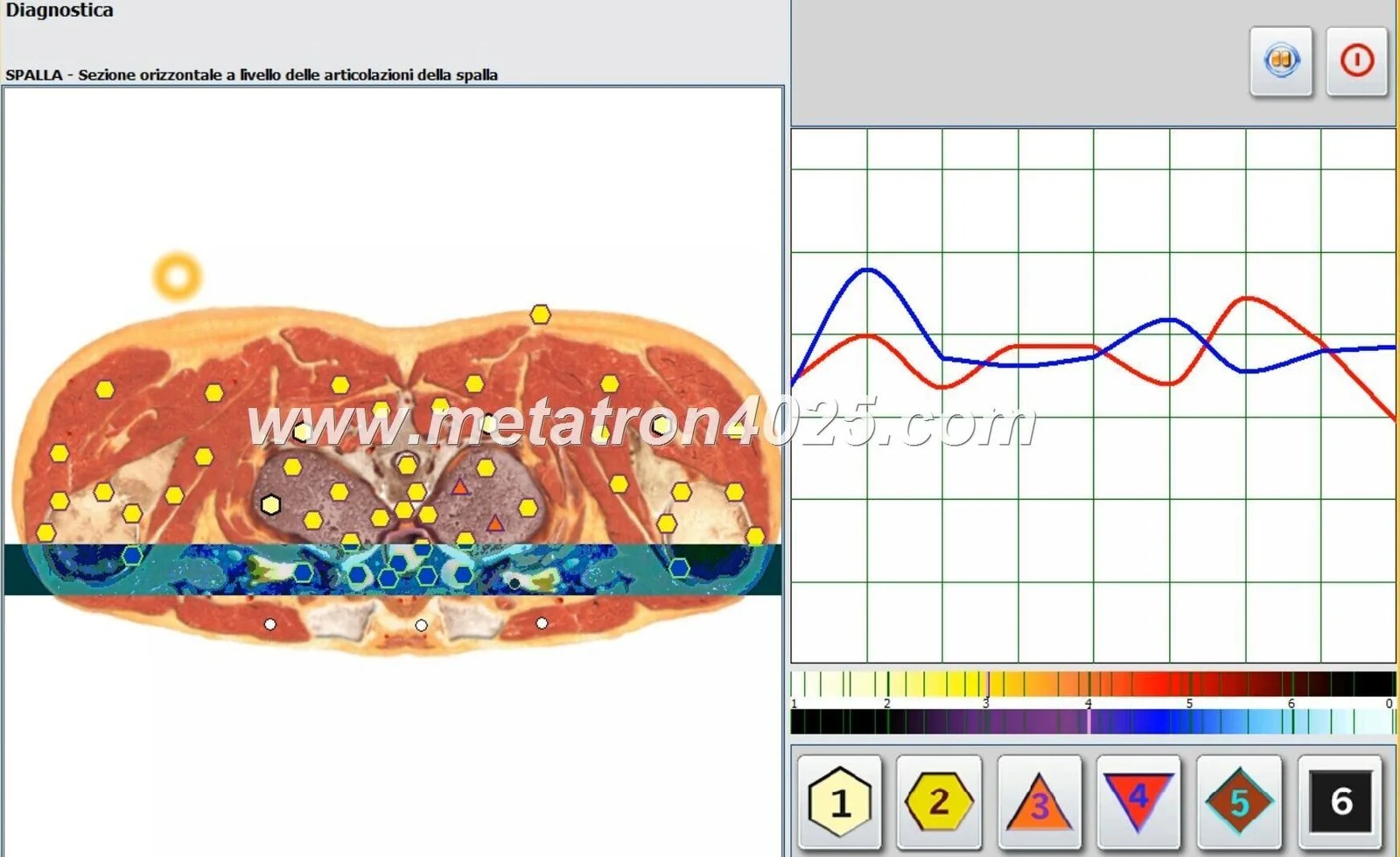
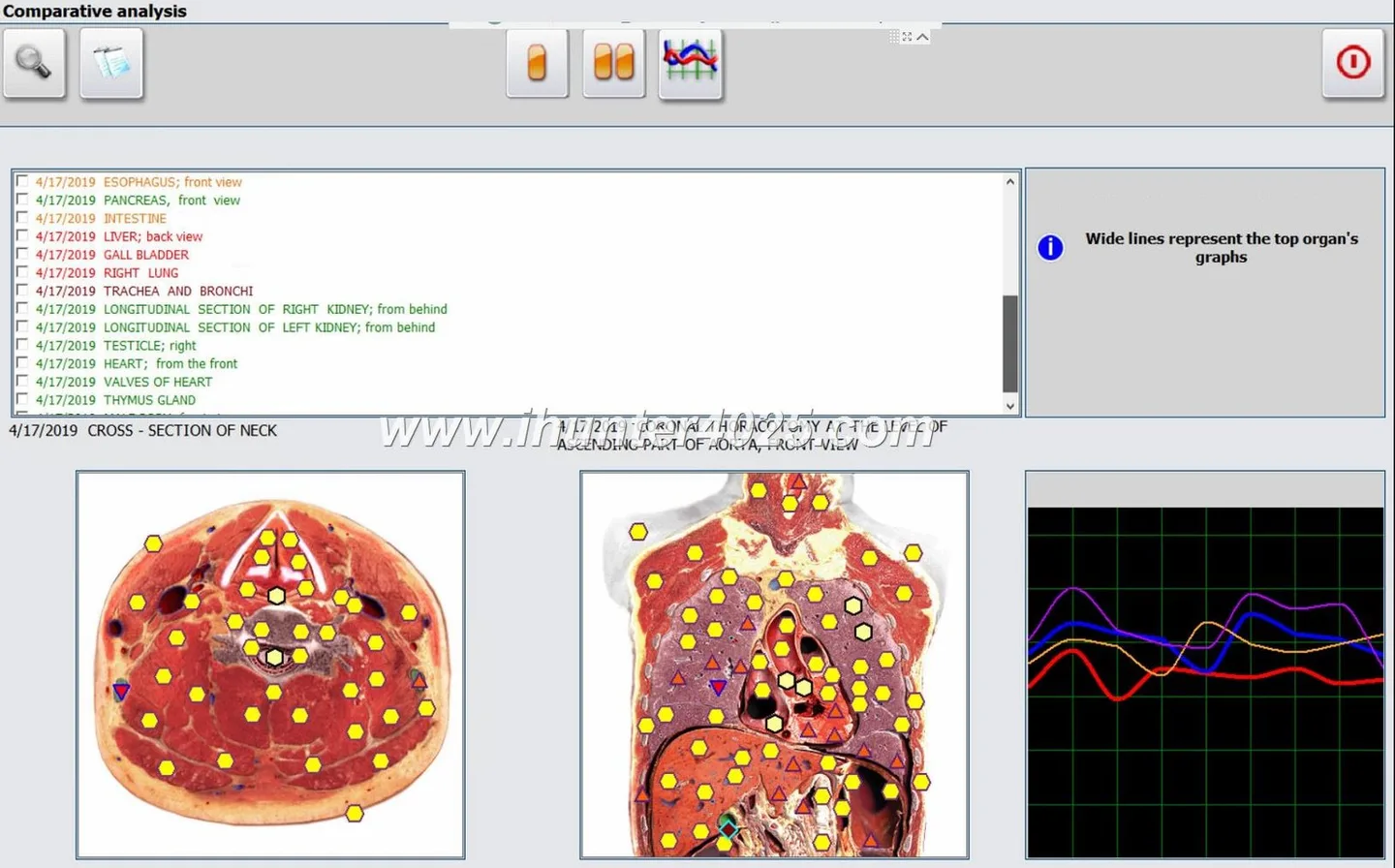
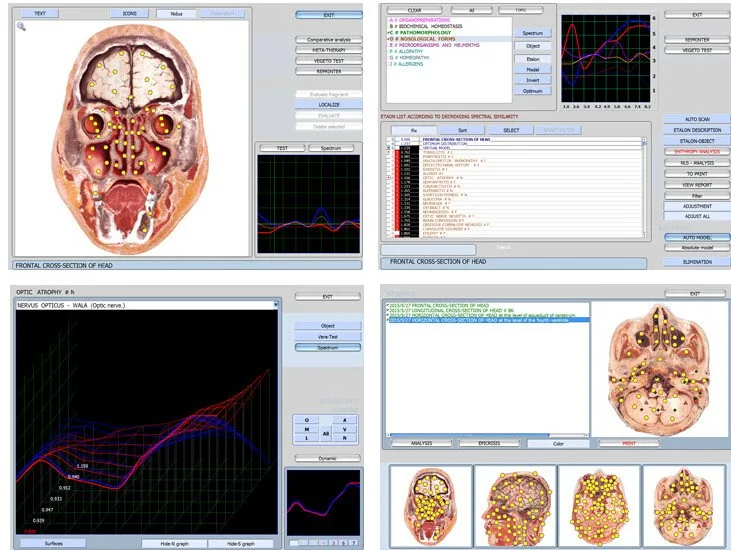
Non‑linear scanning (NLS) devices of the Metatron family generate a composite output that blends image renderings, database‑matched markers and a short textual summary (often labelled “Epicrisis” in our reports). For the Metatron Hunter 4025 (MK-018) the supplier records these specific software and output facts that matter for clinical use:
Which registered parameters matter most for naturopathic practice — and why
For naturopathic work we focus on parameters that change clinical decisions or guide practical recommendations. Not every registered category on the device is equally useful in a typical naturopathic clinic; here is how we prioritize them.
Organs (886 registered entries)
The model’s organ map (886 entries for MK-018) provides a high‑granularity visual of perceived functional “stress” patterns. Practically, we use these images to:
Formulate hypotheses about organ systems that need corroboration (liver detox pathways, gastrointestinal functional patterns, etc.).
Direct non‑invasive follow up testing (stool panel, liver enzymes, functional labs) rather than as a diagnostic label.
Pathomorphology (688 entries)
Pathomorphology entries are database matches to tissue or structural patterns. They can suggest areas for targeted physical exam or imaging referral but should not be reported to patients as “diagnosed” lesions. Use them as prompts for further inquiry and objective testing.
Microorganisms and helminths (171 entries)
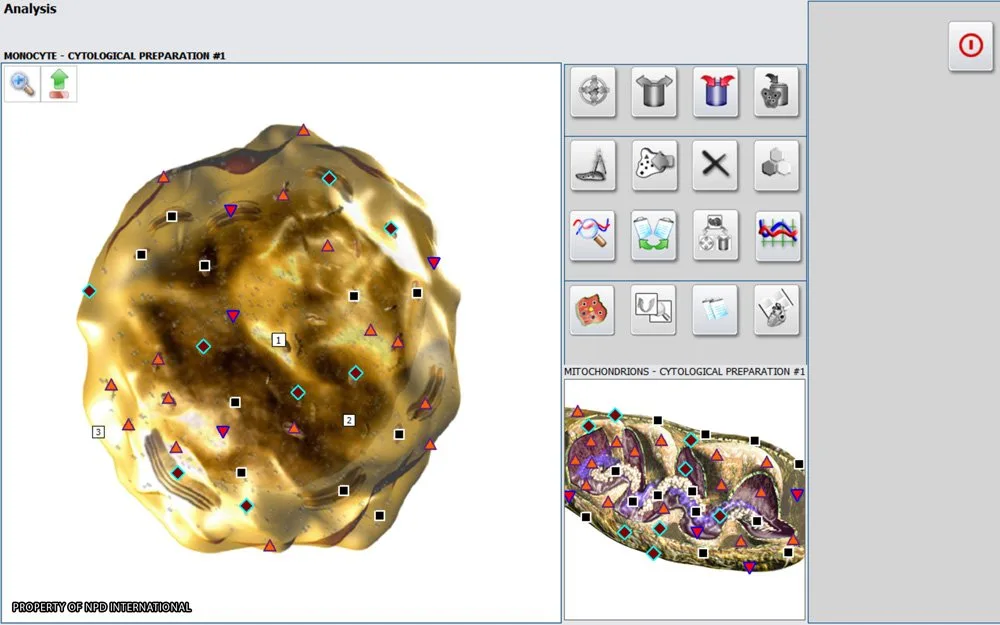
Detection of microorganisms in the NLS output is a database correspondence, not a microbiology culture or PCR. Treat such flags as screening signals: when the scanner highlights a microbial match you should verify with appropriate laboratory testing before prescribing antimicrobials or specific protocols.
The large nutraceutical library is one of the most immediately useful features for naturopaths. The device can generate lists of substances that match the client’s biofeedback profile. Use those lists as a starting point for supplement selection, then prioritize evidence, interactions, and contraindications before recommending a regimen.
These categories support clinical trial‑and‑observe approaches — they can speed hypothesis generation (possible food sensitivities, homeopathic remedies for testing, or pharmaceuticals noted in the database), but none of them replace the validated sensitivity testing methods or your clinical judgment.
How the Metatron Hunter 4025 (MK-018) changes clinical workflow — practical session flow for a naturopath
Integrating an NLS device into a naturopathic clinic alters how you screen, prioritize testing, and document progress. Below is a practical, non‑prescriptive session flow that illustrates where the device fits without forcing clinical decisions.
1. Intake and consent
Explain that the NLS scan produces informational images and database correlations which may suggest areas to explore. Obtain informed consent that clarifies the device is an adjunctive screening tool and that diagnostic confirmation may require labs or imaging. Keep a written consent template that restates these limits.
2. Baseline scan and data capture
3. Interpretation and immediate triage
Use the device output to prioritize objective testing. For example, an organ focus flagged on the report can prompt order of function panels; a microbial flag prompts targeted lab tests. Always document which findings were device‑based versus clinically observed.
4. Treatment planning and supplement selection
When using the nutraceutical matches from the MK-018 library (1,159 entries), cross‑check for contraindications, drug interactions and patient preference before starting a protocol. Use the NLS output to shorten the evidence search, not as the sole evidence.
5. Monitoring and trend‑based follow up
Repeat scans can be used to monitor trends and patient‑reported outcomes. Use the same position, environment and operator as much as possible to reduce variability between scans.
Evidence and device facts that affect diagnosis and case management decisions
Can a Metatron‑style NLS Analyzer Fit U.S. Naturopathic Practice? · body
Two kinds of supplier‑supplied facts consistently change how practitioners act: the device’s declared scanning method/software features and the size of its reference libraries. For MK-018 those facts are:
Clinical uses naturopaths can realistically support with NLS output — and what the device does not supply
Can a Metatron‑style NLS Analyzer Fit U.S. Naturopathic Practice? · body
Where the NLS is useful
Screening and triage: identifying systems or patterns that warrant further testing.
Baseline mapping: creating a visual starting point for long‑term naturopathic care and wellness planning.
Monitoring trends: following subjective and objective improvement over time when combined with symptom tracking and labs.
Supplement selection support: using the nutraceutical library to generate candidate remedies you then validate clinically.
What it does not supply
Definitive medical diagnoses: an NLS report is not equivalent to histology, culture, PCR, radiology or validated functional lab tests.
Prescriptive dosing or guaranteed therapeutic outcomes: the device suggests associations, not prescriptive regimens.
Regulatory clearance for medical claims in the U.S.: the device and software outputs must be presented within your state‑specific scope of practice. See the regulatory section below.
Regulatory and scope‑of‑practice cautions for U.S. naturopaths
Can a Metatron‑style NLS Analyzer Fit U.S. Naturopathic Practice? · body
In the U.S., how you present NLS output matters more than the technology itself. The device provides informational images and database matches; you must not present device output as a proven medical diagnosis or imply cure. Useful practice rules:
Label reports as “informational biofeedback” or “screening report” and include a standard statement that findings require clinical correlation and, where appropriate, laboratory confirmation.
Avoid offering curative guarantees or prescribing pharmaceuticals based solely on an NLS report.
State any certifications the supplier declares as supplier claims (MAIKONG declares ISO 9001 and CE) without suggesting they establish U.S. FDA clearance. Treat supplier certification as part of vendor due diligence, not regulatory authorization for a specific medical claim.
Practical IT, workstation and installation checklist to confirm before purchase
Storage and backup: ensure daily backup of patient reports to your clinic EHR or secure server and confirm report export formats (PDF, image files).
Network: confirm whether the Hunter software requires internet access for updates or report matching and agree how patient data is stored/transferred.
Workstation ergonomics: allocate a quiet, electrically stable room with a grounded outlet and consistent lighting to reduce scan variability.
Interpretation guidance — integrating NLS findings into naturopathic assessments without overstating the device
We recommend simple rules so the NLS helps rather than confuses your clinical reasoning.
Pair each flagged finding with at least one independent corroborator before you change a high‑risk management plan (history, exam, validated lab tests).
Use the device to prioritize testing or rule in potential directions for functional labs rather than to make definitive diagnoses.
Keep a log of scan variables (operator, time of day, patient position, medications/supplements taken that day) to reduce intra‑subject variability when comparing scans.
When nutraceutical suggestions are used, document the rationale and safety checks (drug–supplement interactions, pregnancy status, allergies) in the patient chart.
Common limitations, frequent false‑positive traps, and how to reduce risk in clinical use
The most common challenges we see when integrating NLS devices are interpretation drift, over‑reliance on library matches, and inconsistent scanning technique. Typical traps and mitigations:
False positives from broad libraries: A large reference library increases detection sensitivity but can elevate false positives. Mitigation: require independent confirmation for any finding that changes medical management.
Operator dependence: Different operators scanning the same client can obtain different presentations. Mitigation: standardize scanning procedure and train staff to a written protocol.
Database matching ambiguity: Matches are algorithmic; they do not equal microbial culture or imaging. Mitigation: use the matches as hypotheses to order targeted tests.
Expectation bias: Both clinician and patient expectations can skew interpretation. Mitigation: separate scanning personnel from treatment planners where practical, and document baseline symptoms objectively.
Comparing the Metatron Hunter 4025 to common alternatives — selection criteria that matter to naturopaths
When comparing NLS solutions, naturopaths should prioritize:
Software library breadth and how those libraries are curated;
Scanning method and reproducibility (MK-018: Auto 3‑D SpiralScanning and Biological resonance scanning);
Report format and exportability (MK-018 provides “Images with Epicrisis”);
Supported operating systems and integration with your clinic IT; and
Vendor support: training, language options, and sample reports to evaluate interpretation workflow.
Below is a compact comparison of two supplier models we document in our product literature so you can see how factual device differences map to practice choices. We include only supplier‑supplied fields for traceability.
Model
Software
Declared Accuracy
Scanning Method
Number of Organs
Supported OS / MOQ
Questions to ask a supplier before you buy or trial
Before you commit, confirm the following with the vendor and keep the answers on file. These items are practical prerequisites for an informed purchase decision:
Can we see a full sample report (actual patient data redacted) so we can evaluate the Epicrisis format?
Does the Hunter software version we’ll receive match the one demonstrated and is it upgradable? (Confirm version numbers and update policy.)
What training is included and is it delivered in English for U.S. clinics?
Language support for the software interface and reports.
Data export formats (PDF, image files) and how patient data is stored or transmitted.
Service, warranty details and spare parts coverage for U.S. shipments.
Sample configuration for clinic integration (minimum PC spec, USB devices, drivers).
Whether the supplier provides sample datasets or demo modes for staff training.
Interpretation examples and practical decision steps (non‑prescriptive)
To keep interpretation anchored to pragmatic clinical decisions, we use a three‑step decision rule:
Flag: Note any significant organ, pathomorphology or microbial flags on the Epicrisis report.
Corroborate: Match each flag to at least one independent objective test or focused clinical sign before changing medical management.
Act conservatively: Use nutraceutical suggestions as trial candidates with safety checks; escalate to medical labs or imaging when findings suggest structural or infectious disease that requires medical therapy.
Example: If the MK-018 report flags a hepatic functional stress and suggests several nutraceuticals, you would order liver function tests or functional hepatic panels to corroborate. If labs confirm dysfunction, then integrate targeted supplementation with usual cautions and documentation.
Risks, evidence gaps and limitations to communicate to patients
Be explicit with patients about what the device can and cannot do. Key limitations to disclose:
The device produces algorithmic matches and visualizations, not laboratory confirmations.
Supplier accuracy figures (MK-018: 95%–98%) are internal claims and do not equate to diagnostic proof in clinical contexts.
Some registered libraries (homeopathy, large nutraceutical sets) increase suggestion volume but also the risk of over‑interpretation.
When evidence gaps exist (for example, formal validation studies in U.S. clinical populations), treat the device findings as provisional and pair them with standard medical evaluation when appropriate.
Practical next step for procurement or evaluation
If you want a configuration or a quote, email Lucy@ihunter4025.com with:
Clinic application and intended primary use (screening, supplement selection, monitoring);
Planned sales or clinic integration strategy for naturopathic or biofeedback markets; and
Estimated initial order quantity and storage/shipping capabilities.
This content is provided for learning, information sharing and professional communication only. It is not medical advice and is not a basis for treatment or diagnosis. Confirm suitability, operation and purchasing requirements against the product manual, local regulations and qualified professional guidance.
We welcome enquiries from qualified distributors, clinic groups and practitioners interested in local representation in the United States. When you contact us to discuss agency or dealership, please include: