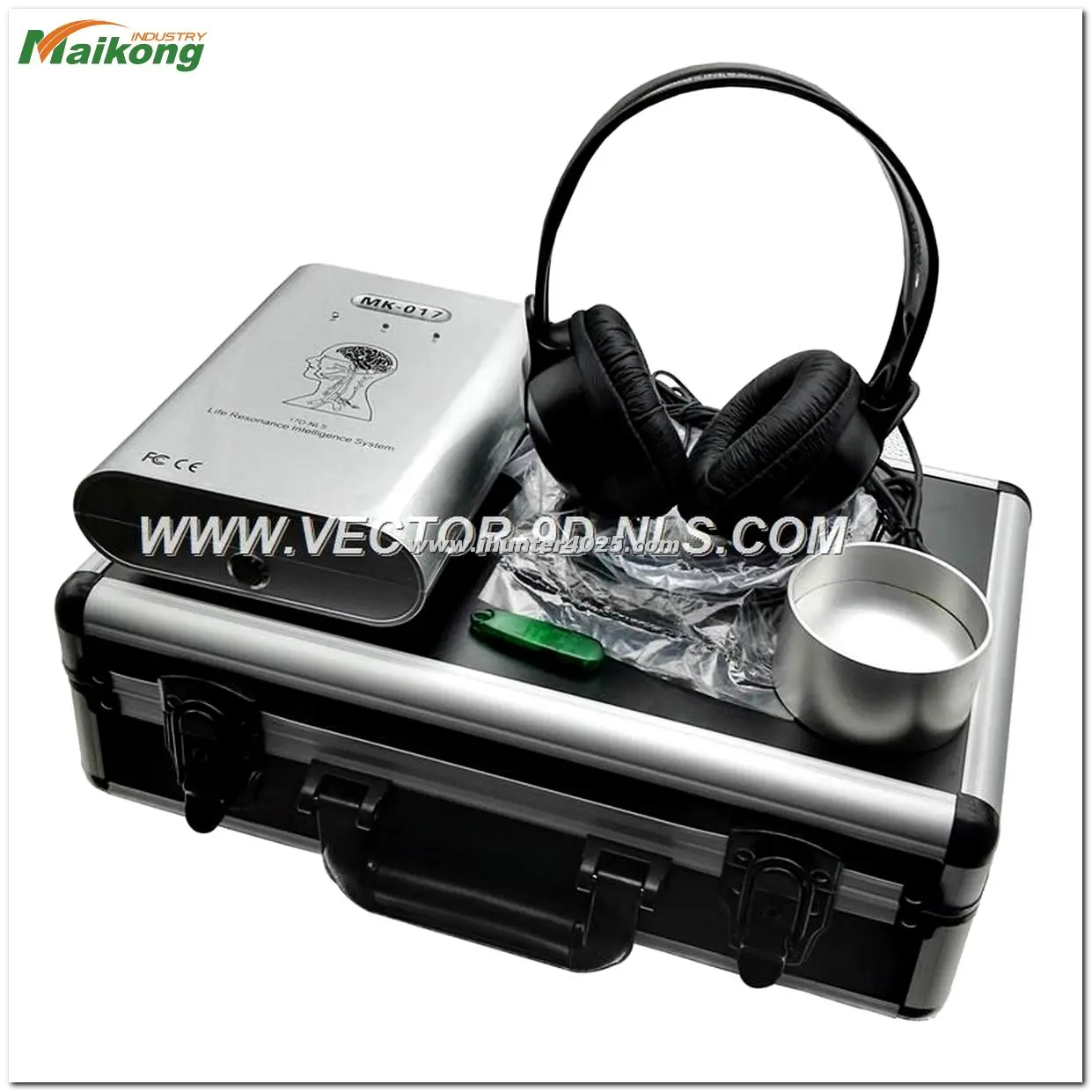
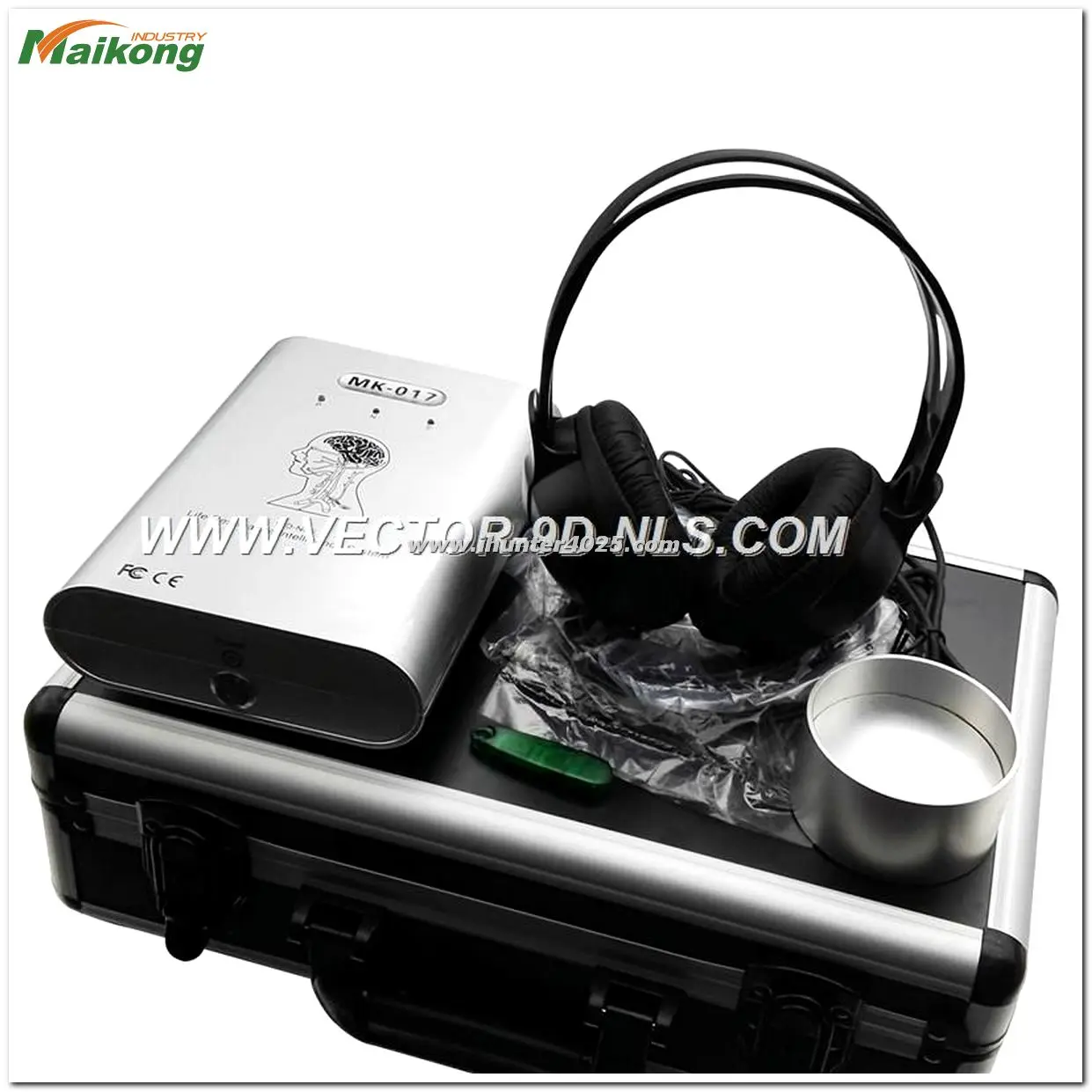
Modern healthcare facilities are increasingly turning to advanced diagnostic technologies to improve patient outcomes and operational efficiency. The Non Linear Diagnostic System represents a significant leap forward in diagnostic capabilities, offering unprecedented accuracy and insights through complex algorithmic analysis. This comprehensive guide will walk you through the implementation process, from initial planning to full deployment, ensuring your organization maximizes the benefits of this revolutionary technology.
What Is a Non Linear Diagnostic System?
A Non Linear Diagnostic System (NLS) represents cutting-edge technology in the field of health assessment. Unlike linear diagnostic methods that follow predetermined pathways, NLS technology uses quantum physics principles to analyze the body’s energy fields and identify potential health issues at cellular and subcellular levels.
Technical Overview
NLS devices operate by detecting the resonance of body tissue through specialized sensors typically placed on the head. These sensors interface with the subcortical brain via electromagnetic waves, collecting information about ongoing processes within the organism. The system then processes this data using advanced algorithms to create detailed 3D models of organs, tissues, and cells.
The core technology relies on spectral analysis of the cortex magnetic field found around biological matter. By measuring frequency fluctuations, the system can identify changes in cellular oscillation that may indicate pathological processes.
Comparison with Linear Diagnostic Methods
Feature
Linear Diagnostic Methods
Non Linear Diagnostic System
Analysis Approach
Sequential, predetermined pathways
Multi-dimensional, adaptive analysis
Detection Level
Primarily organ and tissue level
Cellular, DNA, and energy field level
Data Processing
Direct measurement interpretation
Complex algorithmic analysis
Predictive Capability
Limited to current conditions
Can detect early changes before symptoms
Holistic Assessment
Typically focused on specific systems
Evaluates physical, emotional, and energetic aspects
Why Implement a Non Linear Diagnostic System?
Integrating an NLS into your healthcare facility offers numerous advantages that can transform your diagnostic capabilities and patient care quality. Understanding these benefits is crucial for building organizational support for implementation.
Key Benefits
Comprehensive health assessment at cellular and subcellular levels
Early detection of potential health issues before symptoms appear
Non-invasive diagnostic process with no patient discomfort
Detailed 3D visualization of organs, tissues, and systems
Ability to detect nutritional deficiencies and allergies
Assessment of emotional and energetic imbalances
Reduced diagnostic time compared to multiple conventional tests
Potential for significant cost savings in the diagnostic process
Case Study: Integrative Health Clinic Implementation
“After implementing the Non Linear Diagnostic System in our integrative health practice, we experienced a 40% reduction in diagnostic time and a 35% increase in early detection of potential health issues. The system’s ability to provide comprehensive assessments in a single session has significantly improved our patient satisfaction rates and clinical outcomes.”
Dr. Sarah Chen, Medical Director, Integrative Wellness Center
Ready to explore how a Non Linear Diagnostic System can benefit your practice?
Our team of implementation specialists can provide a personalized assessment of potential ROI and integration strategies for your specific healthcare setting.
Successful integration of a Non Linear Diagnostic System requires thorough preparation. This section outlines key considerations before beginning the implementation process.
Assessing Organizational Readiness for a Non Linear Diagnostic System
Before investing in NLS technology, evaluate your organization’s readiness across several dimensions:
Staff expertise and technical capabilities
Current diagnostic workflows and integration points
Physical space requirements and environmental considerations
Budget allocation for equipment, training, and maintenance
Regulatory compliance and documentation processes
Tools and Infrastructure Requirements
Essential Components
NLS device with head sensors/trigger sensors
Compatible computer system (Windows 7/8/10)
Dedicated, quiet examination space
Stable internet connection for updates
Secure data storage solution
Potential Challenges
Electromagnetic interference from nearby equipment
Integration with existing electronic health records
Staff resistance to new technology adoption
Initial calibration and optimization period
Ongoing software update management
Implementation Readiness Checklist: Download our comprehensive readiness assessment tool to evaluate your organization’s preparedness for Non Linear Diagnostic System implementation. This checklist covers technical, operational, and staff readiness factors.
Following a structured approach to implementing your Non Linear Diagnostic System will ensure a smooth transition and maximize the technology’s benefits. This section provides a detailed roadmap for successful deployment.
Step 1 – Define Objectives for Your Non Linear Diagnostic System
Begin by establishing clear goals for your NLS implementation. Consider these key questions:
What specific diagnostic capabilities are you seeking to enhance?
Which patient populations will benefit most from NLS assessment?
How will you measure success (reduced diagnostic time, increased accuracy, patient satisfaction)?
What integration points with existing systems are required?
Document these objectives and share them with all stakeholders to ensure alignment throughout the implementation process.
Step 2 – Data Collection and Integration
Effective data management is crucial for maximizing the value of your Non Linear Diagnostic System. Key considerations include:
Establishing protocols for patient data collection
Creating secure storage systems for diagnostic results
Developing integration pathways with existing electronic health records
Implementing data backup and recovery procedures
Ensuring compliance with healthcare data privacy regulations
Step 3 – Algorithm Configuration for Non Linear Diagnostic System
Proper configuration of the NLS algorithms is essential for accurate diagnostics. This process involves:
Installing the latest software version and frequency libraries
Configuring system settings based on your specific diagnostic focus
Setting up user accounts with appropriate access levels
Customizing report templates to match your organization’s requirements
Establishing baseline parameters for different patient demographics
Step 4 – Testing and Validation
Before full deployment, thorough testing is critical to ensure system accuracy and reliability:
Conduct controlled tests with known health conditions
Compare NLS results with conventional diagnostic methods
Verify data integration with existing systems
Test report generation and information flow
Gather feedback from initial users and make necessary adjustments
Step 5 – Deployment and Monitoring
The final implementation phase involves:
Staff training on system operation and result interpretation
Development of standard operating procedures
Patient education materials about the NLS process
Ongoing performance monitoring and quality assurance
Regular software updates and system maintenance
Need expert guidance for your implementation?
Our implementation specialists can provide personalized support throughout your Non Linear Diagnostic System deployment process.
Common Challenges in Non Linear Diagnostic System Implementation
While the benefits of NLS technology are substantial, organizations often encounter challenges during implementation. Understanding these potential obstacles can help you develop effective mitigation strategies.
Technical Challenges
Electromagnetic interference affecting readings
Software compatibility issues with existing systems
Data storage and management complexities
System calibration and optimization difficulties
Solution: Conduct a thorough environmental assessment before installation and work with experienced technical consultants to address integration issues.
Operational Challenges
Workflow disruption during transition period
Staff resistance to new procedures
Patient scheduling adjustments
Documentation and reporting changes
Solution: Implement phased deployment with clear communication and involve key staff members in the planning process to build buy-in.
Interpretive Challenges
Learning curve for result interpretation
Correlating NLS findings with conventional diagnostics
Explaining results to patients effectively
Developing appropriate treatment protocols based on findings
Solution: Invest in comprehensive training programs and develop standardized interpretation guidelines specific to your practice focus.
Expert Tip: Create a dedicated implementation team with representatives from clinical, technical, and administrative departments to address challenges from multiple perspectives and ensure comprehensive problem-solving.
Future Trends in Non Linear Diagnostic Systems
The field of non-linear diagnostics continues to evolve rapidly. Staying informed about emerging trends can help your organization prepare for future advancements and maintain a competitive edge in diagnostic capabilities.
Emerging Technologies
AI Integration: Advanced artificial intelligence algorithms are enhancing diagnostic accuracy and pattern recognition
Cloud-Based Analysis: Remote processing and storage enabling broader access to diagnostic capabilities
Mobile Applications: Smartphone interfaces for monitoring and preliminary assessments
Quantum Computing: Next-generation processing power for more complex analytical models
To ensure your Non Linear Diagnostic System investment remains valuable long-term:
Select systems with modular architecture that can accommodate upgrades
Establish relationships with vendors committed to ongoing research and development
Allocate resources for regular software updates and hardware refreshes
Participate in user communities to stay informed about new applications and techniques
Consider scalable data storage solutions to accommodate increasing analytical complexity
Conclusion
Implementing a Non Linear Diagnostic System represents a significant advancement in diagnostic capabilities for healthcare organizations. By following the structured approach outlined in this guide—from thorough preparation and clear objective setting to careful deployment and ongoing monitoring—you can maximize the benefits of this revolutionary technology while minimizing implementation challenges.
The journey to fully integrating NLS technology into your practice requires commitment and resources, but the potential rewards in terms of diagnostic accuracy, efficiency, and patient outcomes make it a worthwhile investment for forward-thinking healthcare providers.
Ready to transform your diagnostic capabilities?
Our team of specialists is ready to guide you through every step of implementing a Non Linear Diagnostic System in your healthcare facility.
Prefer to speak with a specialist directly?
Frequently Asked Questions
How does a Non Linear Diagnostic System differ from traditional diagnostic methods?
Unlike traditional methods that typically focus on specific symptoms or body systems, NLS technology provides a comprehensive assessment by analyzing the body’s energy fields and resonance patterns. It can detect changes at cellular and subcellular levels before physical symptoms appear, offering earlier intervention opportunities. Traditional diagnostics often require multiple tests across different specialties, while an NLS can provide a holistic view in a single session.
What is the typical return on investment timeframe for NLS implementation?
Most healthcare facilities report ROI within 12-18 months of implementation. This comes through reduced diagnostic time, decreased need for multiple testing procedures, and improved patient outcomes through earlier intervention. The exact timeframe varies based on patient volume, implementation efficiency, and how effectively the system is integrated into existing workflows.
What training is required for staff to operate a Non Linear Diagnostic System?
Effective operation typically requires 20-40 hours of initial training, covering system operation, result interpretation, and patient communication. Most vendors provide comprehensive training programs, including hands-on practice, case studies, and ongoing support. We recommend training at least two staff members to ensure continuity of service.
Can NLS technology integrate with our existing electronic health records?
Yes, most modern Non Linear Diagnostic Systems offer integration capabilities with major EHR platforms. The integration process typically involves working with both your NLS vendor and EHR provider to establish secure data transfer protocols. Custom integration solutions are also available for specialized or proprietary systems.