Can a Biophilia Tracker X5 (X5 ULTRA / X5 4D) Work for My U.S. Wellness Center? Practical Guidance for Owners · body
Quick answer
The Biophilia Tracker X5 family (including X5 ULTRA and X5 4D) is a class of commercially sold non‑linear / bioresonance scanners promoted for broad “wellness screening” outputs. As owners, you should treat them as client‑engagement screening tools rather than diagnostic devices: they may help structure intake conversations, track subjective trends over time, and produce visually engaging reports—provided the supplier clarifies exactly what data are produced, how the software generates its outputs, and how you will document results in your records. Before buying, confirm software compatibility, language and local support, exportable data formats, and the precise claims the supplier allows you to make in the U.S. marketplace. Pricing and formal clinical validation are not public; request a written configuration and a quote.
Contents
What people mean by “Biophilia Tracker X5 / X5 ULTRA / X5 4D”
In plain language, the product names Biophilia Tracker X5, X5 ULTRA and X5 4D refer to vendor packages of so‑called non‑linear scanning (NLS) or bioresonance systems. Marketing materials for these models typically describe a hardware probe or headset plus proprietary Windows software that scans a client’s electromagnetic or frequency pattern and maps it against internal libraries to produce organ, tissue and “pathology” reports. Some vendors use phrases such as “4D scanning” or “DNA/RNA in‑depth scanning” to imply a higher level of internal analysis; those phrases are marketing language and do not equate to molecular laboratory testing.
You will see three recurring claims in supplier material: broader organ/tissue mapping, pathogen or parasite suggestion lists, and trend/therapy response charts. These claims are framed as screening or informational outputs rather than laboratory or imaging diagnostics. Some competitor pages explicitly describe tracing “changes in pathology and infections by observing the characteristics of these wavelengths and the changes in the tissues and cells of the body” (attributed to supplier marketing) .
Company and market context you should know
Suppliers of X5‑style equipment operate in a global market of wellness devices that blend hardware, proprietary signal‑processing software and large reference libraries. Companies often position these devices to wellness centers, naturopathic clinics and clinics that offer complementary health services. MAIKONG Industry Co., Ltd lists the Metatron Hunter family as part of its product portfolio and declares ISO 9001 and CE among its corporate certifications; those declarations are company self‑reports. CE indicates conformity with certain EU safety and environmental standards for sale in the European Economic Area when correctly applied, but CE does not by itself establish clinical effectiveness for specific diagnostic claims in the U.S.
The practical consequence for U.S. owners is twofold: first, supplier business models vary (some sell hardware only, others bundle software licenses, support and training). Second, device marketing and permitted claims differ by vendor and region; what a vendor markets in Europe or Asia may not be permissible in the U.S. without careful messaging and scope‑of‑practice controls.
What these Biophilia models typically claim to report in a session
Vendor materials for X5‑style NLS systems commonly present multiple output types. Expect to see some or all of the following in the supplier demo:
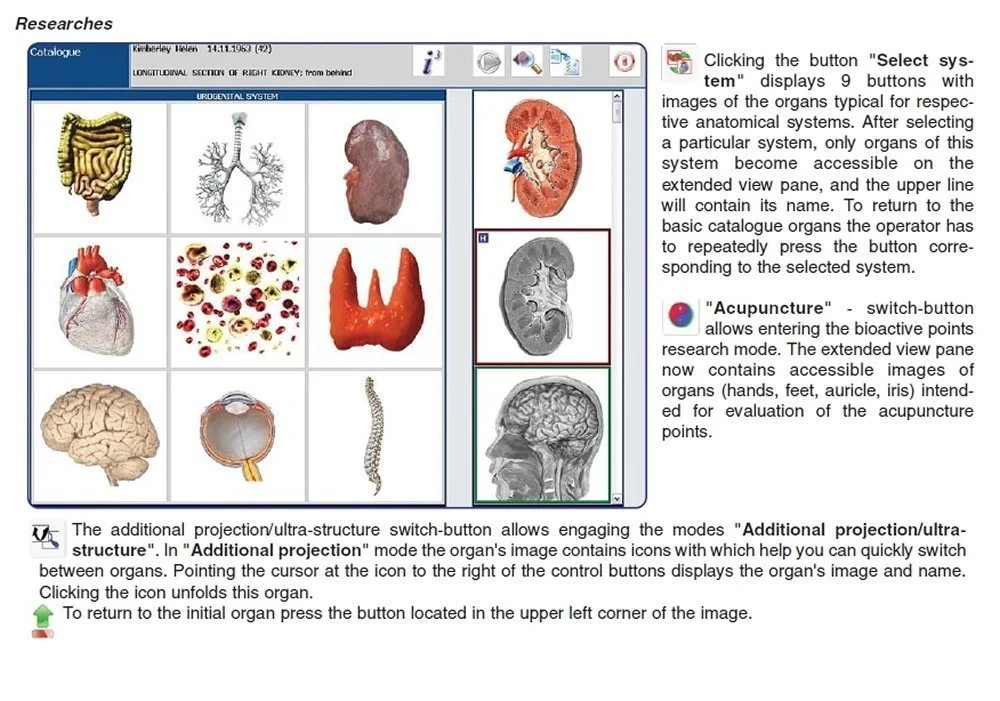
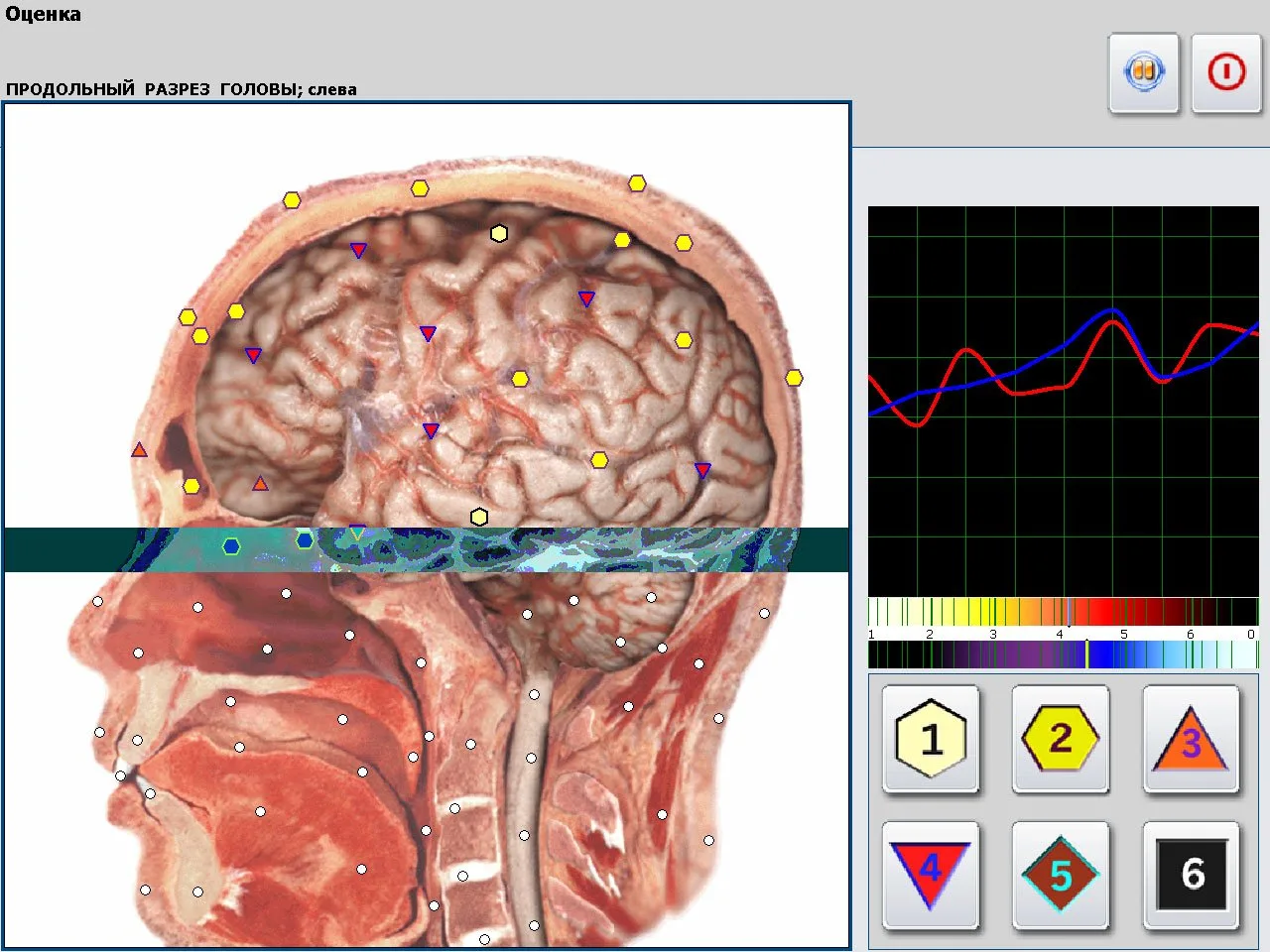
Organ/tissue status maps: colorized images that suggest relative “stress” or “imbalance” for organs or systems.
Library‑matched items: lists of named bacteria, viruses, fungi, toxins or parasites that the software suggests correspond to detected frequency patterns.
Functional charts: summaries of metabolic, immune or detoxification “indices” derived by proprietary algorithms.
Therapy suggestion modules: modules that pair recommendations for supplements, homeopathic remedies or frequencies for purported balancing.
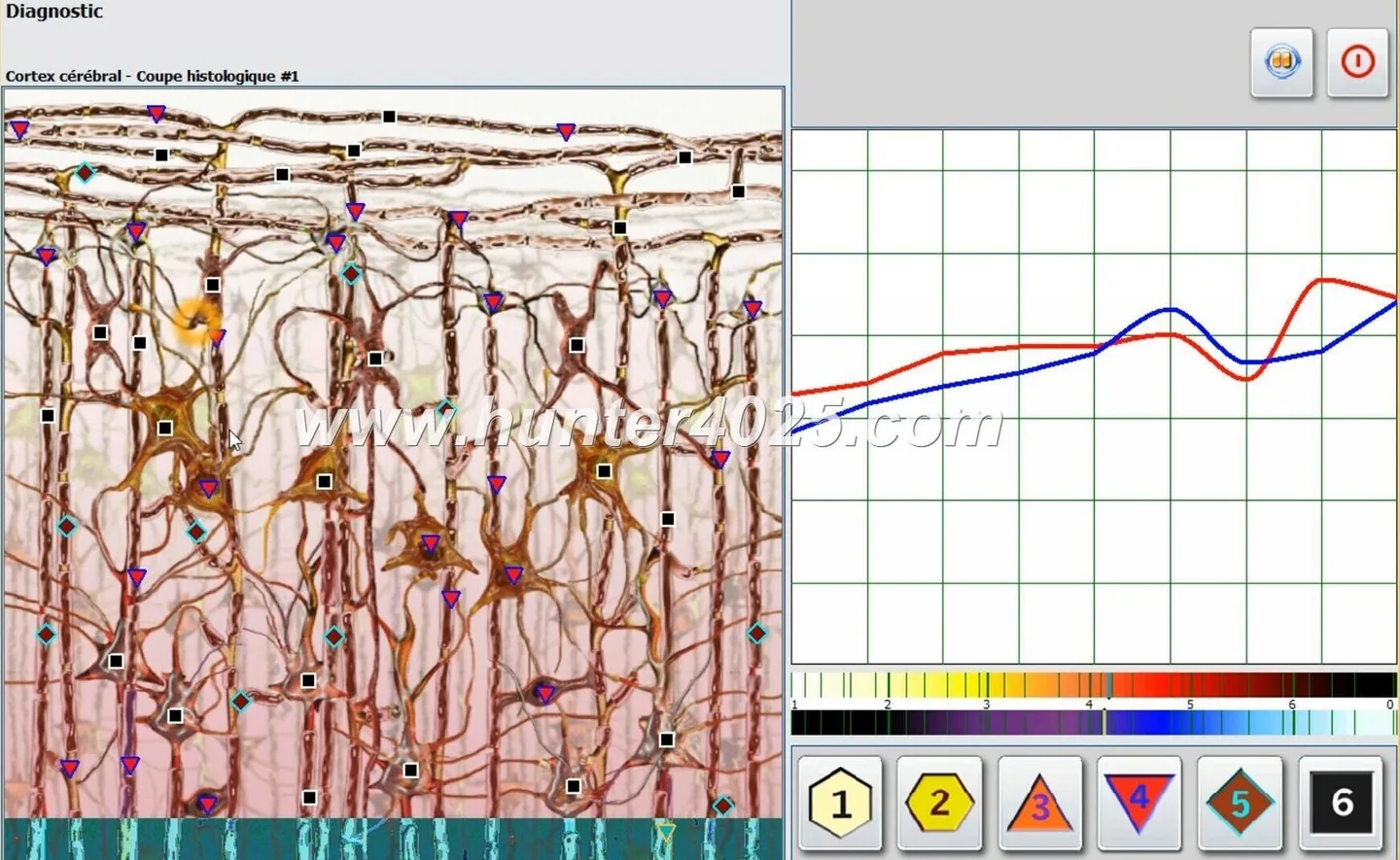
Trend reports: session‑to‑session visualizations that imply improvement or deterioration over time based on the device’s internal scoring.
These are software outputs generated by matching signals and patterns to reference libraries. The exact content, structure and wording of reports will depend on the supplier’s library, translation/localization and software version—so do not assume two X5‑branded units present the same outputs.
Evidence and limits: what supplier materials support and what remains unverified
Can a Biophilia Tracker X5 (X5 ULTRA / X5 4D) Work for My U.S. Wellness Center? Practical Guidance for Owners · body
Supplier marketing often includes confident statements about tracing infections or “in‑depth scanning of DNA and RNA.” For example, some competitor summaries assert the X5 ULTRA can “trace the changes in pathology and infections by observing the characteristics of these wavelengths and the changes in the tissues and cells of the body” and advertise “in‑depth scanning of DNA and RNA” (attributed background) . Those are marketing claims present in public vendor pages.
What is verifiable from typical supplier materials:
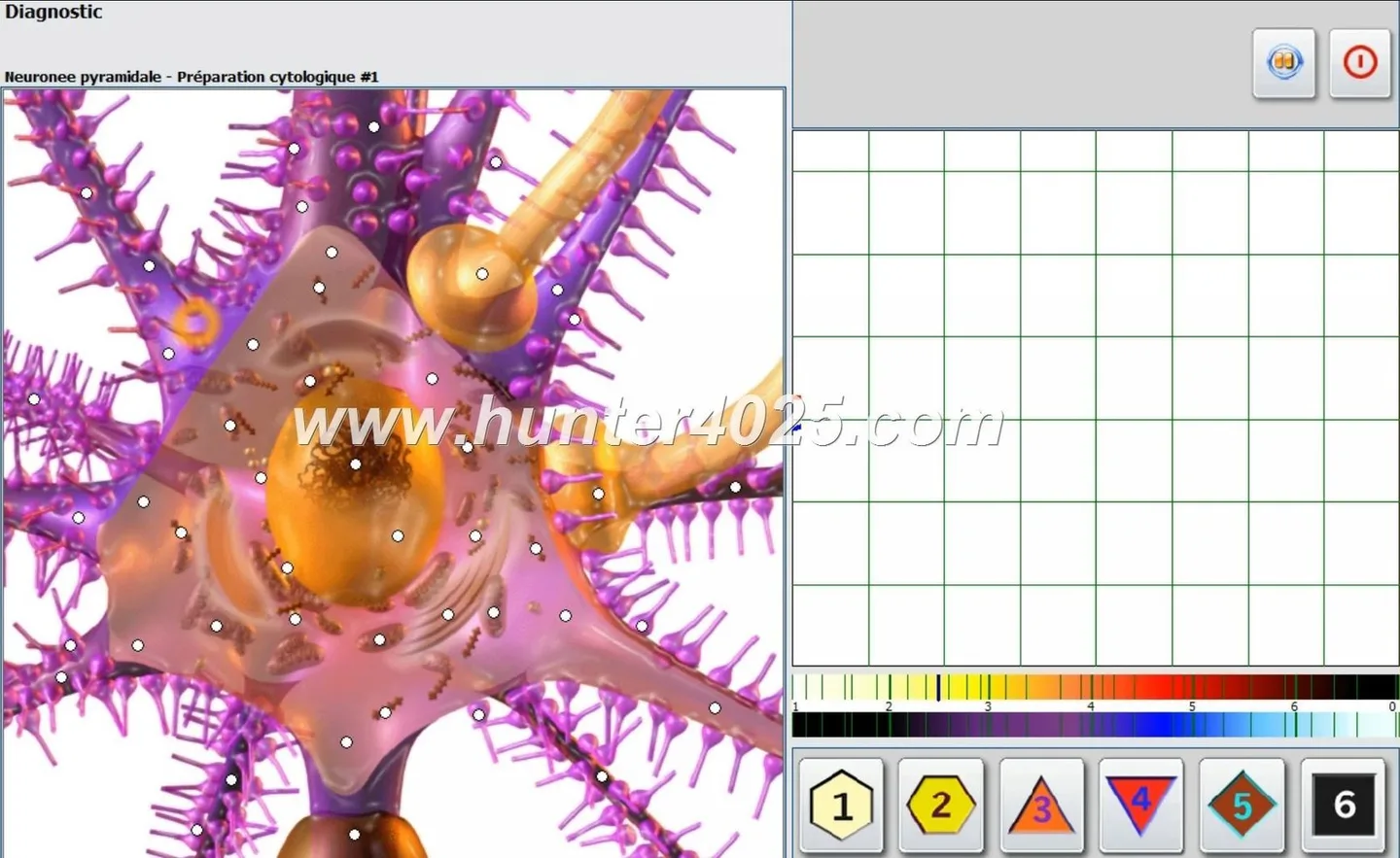
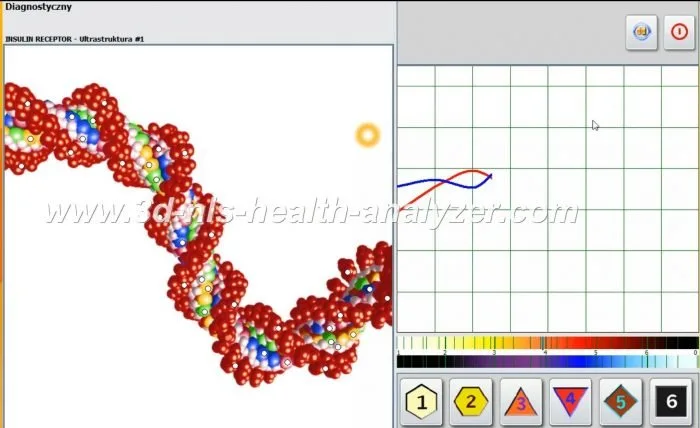
There is a proprietary hardware + software architecture that produces visual reports and trend charts. Suppliers normally provide demo screenshots and sample reports.
Manufacturers often supply software libraries that match detected signal patterns against an internal database; the content and provenance of those libraries are supplier‑controlled.
Manufacturers may hold general product certifications such as ISO 9001 and CE for aspects of manufacture and safety; those are organizational or regulatory marks, not clinical validation of diagnostic claims.
What is not supported or remains unverified in public supplier material:
Independent, peer‑reviewed clinical studies demonstrating diagnostic accuracy, sensitivity, specificity or comparative performance against accepted laboratory tests for pathogens, DNA/RNA identification, or organ pathology.
Clear technical descriptions of measurement modality and the biophysical basis that would satisfy clinical instrumentation reviewers (for example, raw signal sampling rates, calibration standards, or validated reference bodies).
Regulatory clearance in the U.S. (FDA 510(k) or de novo) authorizing diagnostic use—unless the supplier explicitly shows such clearance for that device and indication.
Practical risks and limitations to factor into your decision
Can a Biophilia Tracker X5 (X5 ULTRA / X5 4D) Work for My U.S. Wellness Center? Practical Guidance for Owners · body
The main operational and liability risks for a U.S. wellness center are message‑based, legal and clinical:
Scope‑of‑practice risk: presenting NLS outputs as medical diagnoses risks violating state practice laws and invites regulatory scrutiny. Keep wording conservative—use “screening” or “informational” language.
Client expectation risk: visually persuasive reports can create the expectation of medical certainty; you must train staff to explain limits clearly in plain language.
Liability and documentation: if a consumer acts on a device report (for example, defers medical care), the center could face reputational or legal exposure. Your intake forms and informed‑consent language should address the device’s screening nature.
Support & continuity risk: many of these vendors are international; confirm software updates, English language support and local repair to avoid downtime or unsupported legacy software issues.
Realistic clinic uses where an X5‑style NLS can add value
Can a Biophilia Tracker X5 (X5 ULTRA / X5 4D) Work for My U.S. Wellness Center? Practical Guidance for Owners · body
Approached carefully, an X5 device can be useful as a clinic tool for:
Intake screening and baseline profiling: offering a visualized “wellness map” that helps structure initial conversations with clients about lifestyle, supplements and next steps. Use it as a conversation starter, not proof of disease.
Trend monitoring: documenting subjective responses to interventions (sleep, nutrition, supplements, stress reduction) across repeat sessions. Trend lines are most useful when paired with validated outcome measures (sleep scores, validated symptom scales) you collect independently.
Client engagement and retention: for many centers, the novelty and imagery of scans support client interest and adherence, provided claims are limited and transparent.
Complementary data point for non‑medical services: in services like wellness coaching, nutrition planning or stress management, these outputs can supplement your qualitative assessment—again, not replace diagnostics.
Example suitability scenarios (possible uses, not verified cases):
Scenario A — Wellness intake: a client completes a PAR‑Q and a symptom questionnaire. You run an NLS scan, use the results to highlight three client priorities, and schedule a 6‑week follow‑up to review trends alongside symptom scores.
Scenario B — Product education: a supplement protocol is recommended; you document baseline scan and 8‑week follow‑up visuals to demonstrate subjective change for the client, while relying on validated lab work for objective claims.
Regulatory and clinical practice cautions for U.S. wellness centers
Can a Biophilia Tracker X5 (X5 ULTRA / X5 4D) Work for My U.S. Wellness Center? Practical Guidance for Owners · body
Regulatory frameworks vary by state and by the nature of claims. Practical precautions:
Do not advertise diagnostic capability for disease identification unless you hold a valid regulatory clearance for that intended use in the U.S. and you operate within the permitted professional scope.
Ensure intake and consent forms state the device is a screening tool, not a medical diagnostic, and that clients are advised to seek medical evaluation for suspected serious conditions.
Train staff to use neutral language in reports: avoid “positive for” or “diagnosed with” phrasing; prefer “suggests patterns consistent with” or “these outputs may indicate areas to discuss with your physician.” Keep a script for clinic staff.
Maintain records: save raw reports and note the software version, operator identity and client communication in the chart. This reduces ambiguity if a complaint arises.
Integration checklist: technical, space, staffing and software to confirm
Before you sign a purchase order, verify the following practical items:
Software OS compatibility: confirm supported Windows versions (32/64‑bit) and whether the supplier provides support for modern Windows 10/11. Ask about legacy support if you run older systems.
Network and data export: can the software export CSV, PDF and raw session logs? Is there a cloud option? Confirm data privacy and who hosts backups.
Language and localization: is the English translation complete and clinically precise? Ask for screenshots or a trial account in English menu and report text.
Power and physical footprint: confirm device dimensions, probe/fixture power requirements and whether a standard wall outlet suffices. The evidence pack lacks U.S. electrical installation specs; ask the supplier directly.
Training: what operator training is included (hours, on‑site vs. remote), and is there supporting documentation (manuals, video)?
Warranty and spare parts: what is covered, what is the term, and where are parts stocked for U.S. repairs?
Compliance and labeling: request copies of declared certifications (ISO 9001, CE) and any user manuals that show safety notices in English.
Staffing and workflow considerations
Operator skill level: these systems are not plug‑and‑play for clinical decision‑making. Assign a trained operator and document competency checks.
Appointment scheduling: allow time for informed consent, scanning, report explanation and charting—plan 30–45 minutes depending on the depth of reporting and client questions.
Record keeping: determine whether scans will be stored in local client folders or exported to your EHR. Confirm data retention policies with your legal advisor.
One‑page supplier questions to resolve before requesting a quote
Use this single‑page checklist to avoid vendor ambiguity. Ask the supplier to answer in writing:
Software: exact supported Windows versions, minimum hardware specs, software licensing model (perpetual vs. subscription), and availability of an English trial account.
Reports & data: sample English report PDFs, data export formats (CSV, XML, PDF), and whether raw signal logs are available.
Support: training hours included, remote vs. on‑site training, helpdesk hours/location, and parts availability in the U.S.
Regulatory: copies of declared certifications (ISO 9001, CE) and a statement on whether the supplier markets this device as diagnostic in any market.
Warranty & SLA: warranty length, what is covered, extended support options, and repair turnaround expectations for U.S. locations.
Localization: confirmation of fully localized English interface and report text; ability to customize wording for legal compliance in your state.
Price & configuration: detailed quote with line items (hardware, software license, training, shipping, taxes) and lead time from order to delivery.
How to compare Biophilia X5 models vs. Metatron‑family devices
MAIKONG lists Metatron Hunter 4025 in its product line. When comparing Biophilia X5‑style systems against Metatron‑family devices, evaluate the following dimensions rather than seeking a single “winner”:
Evidence & documentation: ask for white papers, user manuals and any third‑party validation. A device with richer technical documentation and transparent methodology is preferable for clinic use.
Software maturity & updates: track record of patches, frequency of updates and upgrade costs. Mature platforms tend to have more stable reporting language that is easier to control in the clinic.
Localization & support: available in clear English, local technical support, and spare‑parts logistics for the U.S.
Licensing model: clarity on per‑seat vs. multi‑seat, restrictions on report templates and ability to export data under your control.
Vendor reputation & supply chain: a vendor with a clear U.S. distribution channel and documented after‑sales support reduces downtime risk.
Rather than a spec race, focus on how the device will be used operationally in your clinic and whether the vendor will put contractually binding terms in the sales agreement (support, training, replacement parts).
Suggested in‑clinic workflow to pilot an X5 device (3 practical steps)
If you decide to trial an X5‑style device, run a small pilot before committing capital. Keep this pilot strictly limited, documented and transparent to clients.
Reception & consent — Collect standard intake (medical history checklist) and obtain written informed consent that explains: the device is a screening tool, not a medical diagnostic; staff will not provide medical diagnoses; and clients should consult their physician for medical concerns. Record the software version and operator name in the chart.
Scan & contextualize — Run the scan according to supplier instructions. Use the device report to highlight subjective issues and set 2–3 measurable goals with the client (sleep hours, symptom numeric scale, objective lab work if applicable). Save the raw report PDF and note any observations in your chart.
Follow‑up & documentation — Reassess at a planned interval (4–12 weeks), collect the same outcome measures and compare trends. When communicating results, emphasize that scan changes are informational and contextualize them with client‑reported outcomes and any objective tests the client obtained.
Sample table — features to confirm with any supplier (what to ask and why)
Feature to confirm
Why it matters to your clinic
Suggested supplier question
Software language & report localization
Ensures reports are legally safe and understandable for staff and clients in the U.S.
“Provide screenshots of the English UI and a sample English PDF report and confirm the wording is editable for legal compliance.”
Data export formats (CSV/PDF/raw logs)
Makes it possible to integrate with clinic records and keep independent archives.
“What export formats are available? Can we extract raw session logs and do you support secure transfer (SFTP/HTTPS)?”
Training & support in the U.S.
Reduces operator error, improves client communication and protects uptime.
“What training is included, how many hours, and is there a U.S.‑based support contact?”
Software licensing model
Impacts long‑term cost structure and whether multiple operators can be licensed.
“Is the license perpetual or subscription? How many operator seats are included?”
Declared certifications
Shows aspects of manufacture and safety oversight; necessary for import and sale in certain markets.
“Please supply copies of ISO 9001 and CE certificates and clarify the scope covered by each.”
How to interpret supplier demonstrations and sample reports
During demos, pay attention to wording: any phrase that asserts a device “diagnoses” or “identifies DNA/RNA” should prompt you to ask for supporting regulatory evidence. Favor suppliers who present results as “indications” or “patterns” and who provide clear operator scripts and disclaimers for client communication.
Also test reproducibility: ask the supplier for a repeated‑scan comparison (the same client scanned twice) and review report consistency. Request that they document how the library is updated and on what schedule.
Decision checklist — should you pilot or buy now?
Pilot if: you want an engagement tool, can run a limited, documented trial, and have a plan to manage client expectations and legal language.
Hold if: you need a device for medical diagnosis, require FDA‑cleared tools for clinical decision‑making, or the supplier cannot provide clear English reports, export formats and U.S. support.
Optional FAQ (short, directly useful)
Q — Can we use X5 outputs to justify selling supplements or treatments?
Use caution. You may discuss wellness options and supplements, but avoid implying the device proves a medical condition or that a supplement will treat a diagnosed disease. Keep recommendations framed as coaching or general wellness, and document informed consent.
Q — Is CE or ISO sufficient for use in the U.S.?
CE and ISO 9001 speak to manufacturing controls and certain safety standards. They do not equate to U.S. regulatory clearance for clinical diagnostics. If you intend to represent the device as diagnostic, seek legal counsel and request supplier evidence of any U.S. regulatory approvals.
One useful next step
If you want a tailored configuration or a formal quote for a Biophilia Tracker X5 model or a Metatron Hunter 4025, request a written proposal that includes: English sample report PDFs, software version and OS compatibility, full line‑item pricing (hardware, software license, training, shipping), and documented U.S. support arrangements. We can prepare that on request.
本文仅供一般信息参考,不能替代医生诊断或治疗,也不作为医疗诊断依据。
This content is provided for learning, information sharing and professional communication only. It is not medical advice and is not a basis for treatment or diagnosis. Confirm suitability, operation and purchasing requirements against the product manual, local regulations and qualified professional guidance.
Contact us to request a custom configuration or distributor inquiry: Lucy@ihunter4025.com · Phone/WhatsApp: +8613510907401 · WhatsApp link: https://wa.me/861351090701. We will provide sample English reports and a written checklist for U.S. compliance items on request.