Categories
- Knowledge and help (92)
- Blog (296)
- Oberon (12)
- bioplasm nls (14)
- Diacom nls (20)
- Metatron Hunter 4025 NLS review (41)
- Metatron Hunter Manual (7)
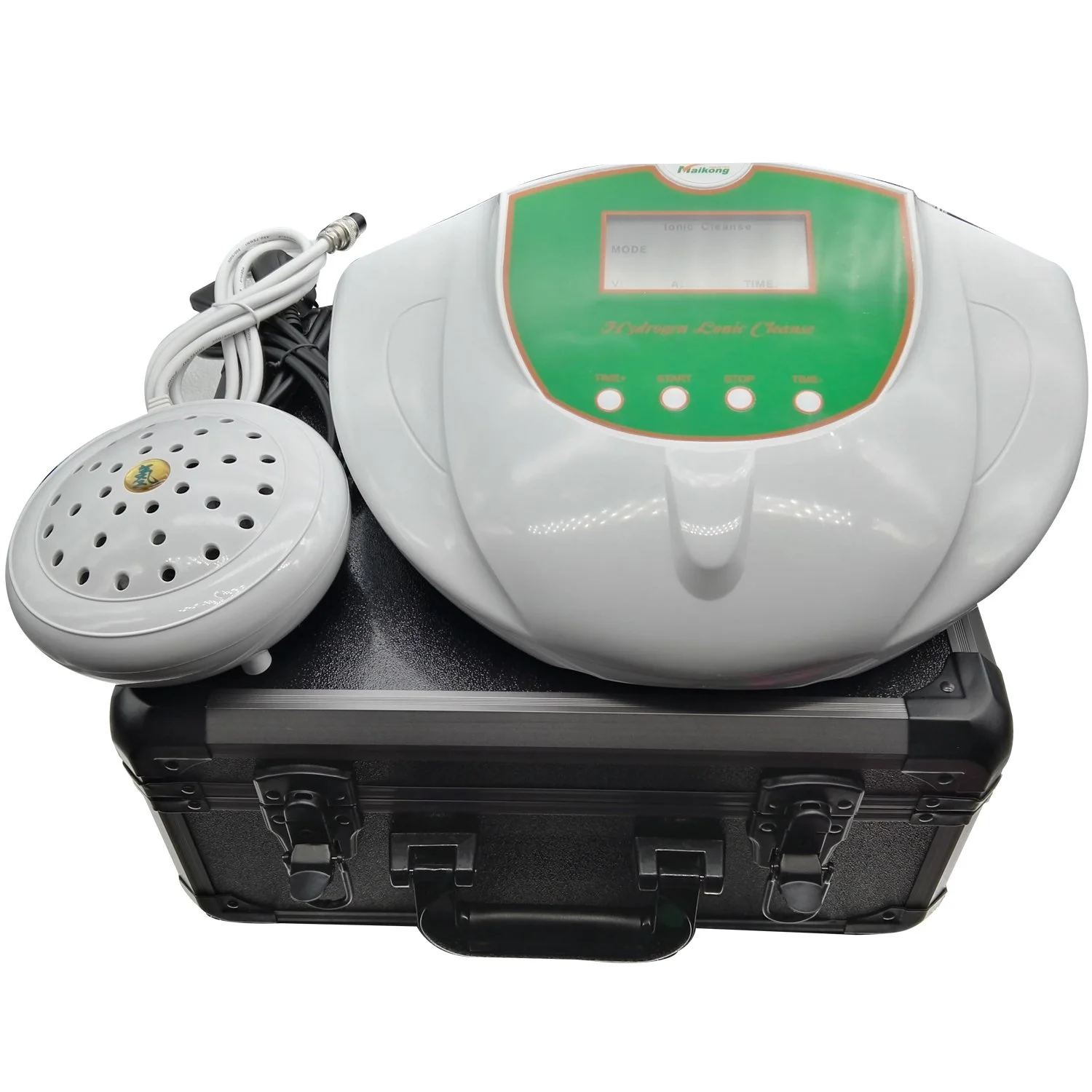
A Suyzeko hydrogen water bottle can be used as a complementary item in an alternative wellness practice in the U.S., provided you: (1) treat it as a consumer wellness accessory rather than a medical device, (2) avoid therapeutic claims, (3) follow local sanitation and consumer-product rules, and (4) verify the supplier’s exact model data (including measured hydrogen concentration, materials, power specs and warranty) before offering it to clients. If you plan to use bottles with clients on-site or sell them in-clinic, ask the supplier for the device manual, measured hydrogen output and any available safety data; request a written quote that lists spare parts and consumables. For sourcing or distributor information, contact Lucy@ihunter4025.com or +8613510907401.
Yes — but with boundaries. We consider a Suyzeko hydrogen water bottle an over-the-counter, portable hydrogen generator intended to make hydrogen-rich water for personal or complementary use. It is suitable for offering as a low-risk adjunct to non-medical wellness sessions and as a retail item, provided you do not present it as diagnosing, curing or treating medical conditions. For practice use, verify the specific model’s performance (hydrogen concentration, production method, materials in contact with water and charging requirements) and follow routine hygiene, informed consent and local consumer-safety rules. Treat any clinical-sounding claims about disease or diagnosis as off-limits unless supported by appropriate regulatory clearance and documented evidence.
A hydrogen water bottle is a portable container with an integrated hydrogen generator that infuses drinking water with dissolved molecular hydrogen. Suyzeko markets compact models (for example, a “Newest Premium Quality 390ml Hydrogen Rich Water Bottle”) and related portable products such as rechargeable mist sprayers and small inhaler-style generators. These consumer-style bottles are designed for convenience and mobility: fill with water, run the generator cycle, and drink or spray the produced hydrogen-rich water. We use the term “portable hydrogen generator” to avoid implying therapeutic function.
Based on product descriptions for compact bottles, typical features include a 300–400 ml glass or stainless-steel flask, a built-in electrolysis or membrane generator, LED indicators for cycle status, USB charging and a single-button operation. The product presentation focuses on portability, rechargeable operation and consumer convenience rather than clinical equipment specifications.
Variants such as “mini molecule hydrogen-rich water mist sprayers” are sold as small, rechargeable devices intended to produce a fine spray of hydrogen-rich water rather than a full drinking portion. There are also larger consumer items and multi-function units in the brand’s range.
It is critical to separate device capability from clinical claims. The typical portable hydrogen bottle is a consumer wellness product. It is not a licensed medical device for diagnosing or treating disease unless the specific model has been cleared or approved by U.S. regulators — and we have no supplied evidence of such approvals for Suyzeko consumer bottles. Do not advertise the bottle as a therapy or as producing specific clinical results.
Practical cautions:
We recommend treating the bottle as a complementary offering rather than a clinical intervention. Reasonable practice uses include:
For any of these uses, screen clients for factors that affect safety (see the section on contraindications below), and never substitute the device for a clinician-directed medical regimen.
Safety considerations for in-clinic use are straightforward and practical:
We recommend a concise, reproducible on-site workflow that prioritizes consent and hygiene:
Before integrating any consumer device into patient-facing services, plan the maintenance you will be responsible for:
When you ask for a quote or vet a supplier, request clear answers to the following items. We advise collecting them in writing as part of the procurement record:
Pricing will typically be provided on inquiry; do not accept oral-only assurances about performance or after-sales support.
Different device classes serve different practice needs. Portable bottles are convenient for retail and trial use; whole-house or larger systems are suitable when the practice wants to offer hydrogen-enriched baths or fill containers at scale.
| Device type | Representative format or capacity | Typical intended use | Installation/operation note |
|---|---|---|---|
| Portable hydrogen bottle | ~390 ml (consumer bottle) | Single-serve hydrogen-rich drinking water; retail item or session amenity | USB-rechargeable, manual fill; low installation burden |
| Mini mist sprayer | Small rechargeable sprayer (compact handheld) | Topical/sensory spray; not a full drinking solution | Battery powered; intended for personal use |
| Whole-house hydrogen generator | System designed to fill bathtubs and large containers (product marketed with “3000ppb” figure in supplier copy) | Filling tubs, immersion therapy settings | Requires semi-permanent plumbing adapter and more complex installation; intended for facility use |
Use the portable bottle when you want a low-cost trial or retail product. Choose a larger system when your offering requires hydrogen-infused baths or high-volume filling. Always verify the supplier’s performance metrics for the intended format — small bottles and sprayers will not produce the same volumes or potentially the same dissolved concentrations as specialized whole-house systems.
Use neutral, consumer-facing language. Example phrasing we recommend:
Do not state or imply disease treatment, diagnostic ability, or guaranteed physiological effects. Avoid statements like “reduces inflammation,” “treats diabetes,” or “cures X” unless you have specific, model-level clinical evidence and regulatory clearances.
We provide simple templates you can adapt to your intake forms and session notes. Use plain language, document consent, and keep a copy in the client record.
Client disclosure (short)
“I understand that the hydrogen water bottle provided today is a consumer wellness product intended to produce hydrogen-rich water. My practitioner has explained that this is an adjunctive, non-medical service. I have been advised to consult my physician for medical conditions. I agree to receive one serving today.”
Signature: ____________________   Date: __________
Session note (example)
Date: ______
Product model/serial (if present): ______
Service provided: One serving of hydrogen-rich water (portable bottle)
Client screened for contraindications: [Y/N] — notes: ______
Client consent obtained: [Y/N]
Any immediate reaction: ______
Practitioner: ______
The available product materials for Suyzeko-style consumer hydrogen devices are supplier marketing and product descriptions. They do not, by themselves, establish clinical safety or therapeutic efficacy for any medical condition. Important gaps in the supplied materials include measured performance data for all portable models (we received a supplier claim for a whole-house device at “3000ppb” in the background fragments but not a standard, independently verified measurement for each portable bottle), U.S.-rated electrical documentation for every SKU, and explicit U.S. regulatory clearances. These gaps mean practitioners should not claim clinical outcomes based solely on supplier copy and should require the supplier to provide the missing documentation before integrating the device into clinical care in any expanded role.
If you plan to incorporate hydrogen bottles into ongoing services, request a sample unit and a written performance report. Ask for:
If the supplier cannot provide this information, treat the product as a retail curiosity rather than a practice-grade device.
To make an informed procurement decision, include these items in a formal quote request:
Use potable water that meets local drinking-water standards. If the manufacturer specifies distilled or filtered water for optimal device performance, follow the manual. If the manual is not provided, ask the supplier before using the device with clients.
Some suppliers also offer inhaler or dual-tank devices. A portable drinking bottle is designed for water consumption; inhalation devices are separate product classes with different design and safety considerations. If you are considering inhalation products, request model-specific manuals and regulatory information and do not repurpose a drinking bottle for inhalation.
Published research on molecular hydrogen exists in a range of contexts, but study findings vary by design, dose and clinical population. Supplier marketing is not a substitute for clinical evidence specific to a device or protocol; present any potential benefit to clients as anecdotal or preliminary unless you can cite rigorous, model-specific evidence.
If you want a trial configuration or a distributor quotation for in-clinic evaluation, request a detailed quote that lists model SKUs, measured hydrogen output (with test method), materials declarations for water-contact parts, warranty terms and spare-parts availability. Contact Lucy@ihunter4025.com or call/WhatsApp +8613510907401 to request a trial unit or distributor information. We will forward your request to the appropriate sourcing team and ask the supplier to supply the technical documentation you must have on file for safe in-clinic use.
We are available to help you draft a supplier questionnaire or a sample client disclosure tailored to your state regulations. If you send the model name you are considering, we will highlight the precise gaps to close before you introduce the product in a supervised, client-facing setting.
Please note: This article is general informational guidance prepared by our product specialists and does not replace medical advice, a device manual, or regulatory consultations with legal counsel. 本文仅供一般信息参考,不能替代医生诊断或治疗,也不作为医疗诊断依据。
Interested in representing our U.S. distribution network? If you want to become a local distributor or reseller, email Lucy@ihunter4025.com or message WhatsApp +8613510907401 to request distributor terms, minimum trial orders and support details.
This content is provided for learning, information sharing and professional communication only. It is not medical advice and is not a basis for treatment or diagnosis. Confirm suitability, operation and purchasing requirements against the product manual, local regulations and qualified professional guidance.