Metatron Hunter 4025 Scanner — Practical Guide for U.S. Functional Wellness Practitioners · body
Quick answer
Contents
Direct answer: Can the Metatron Hunter 4025 (comparable provider) be used by U.S. functional wellness practitioners?
Short practical takeaway: Yes—with clear boundaries. The Hunter 4025 is designed to generate broad wellness-style reports you can incorporate into a functional-wellness workflow as screening, conversation support and monitoring data. Our verified product facts show the device uses Hunter software (2026) and provides structured etalon libraries covering organs, pathomorphology, microorganisms, homeopathy, allergens and nutraceuticals; reports are delivered as “images with epicrisis” (data-fact-id=”121″, data-fact-id=”122″). Use it to augment intake, to prioritize objective follow-up testing, and to illustrate a client’s reported concerns. Do not rely on it for medical diagnosis, for making regulated treatment claims, or as a replacement for laboratory or imaging tests. Confirm local regulatory obligations, practice scope and documentation procedures before deploying the device in clinical practice.
What is a “Metatron” and how the Hunter 4025 fits that name
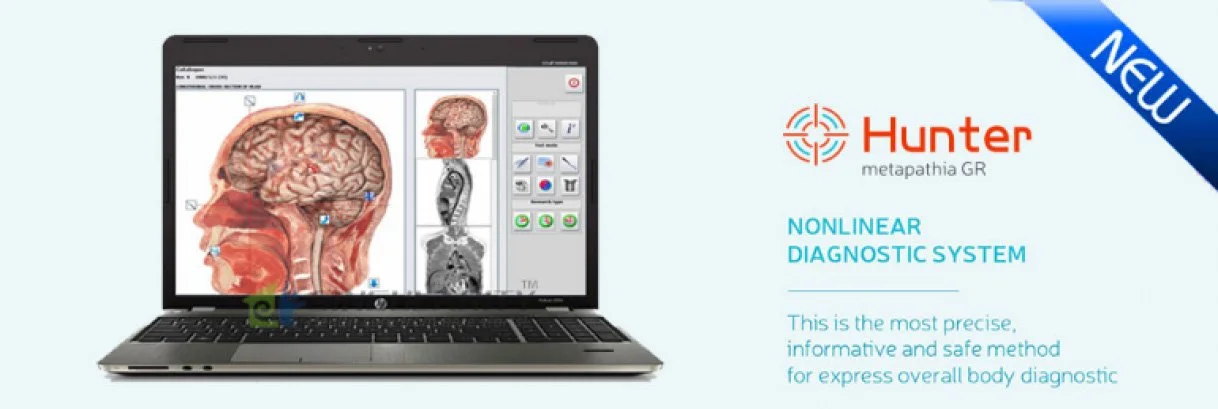
The term “Metatron” in this product family refers to a class of non-linear-scan (NLS) or bioresonance analyzers marketed for wellness and informational scanning. These systems pair a hardware interface with a large reference (etalon) database and software that compares measured signals against the library to produce structured reports. The Hunter 4025 sits in that tradition: it ships with the Hunter comparison software (2026) and a comprehensive etalon list that includes organ preparations, biochemical homeostasis markers, pathomorphology entries, microorganisms and more (data-fact-id=”121″). In practice, that means the device is engineered to map a client’s scan to hundreds or thousands of reference entries and present the results as categorized outputs rather than single numeric lab values.
Key verified product facts for Metatron Hunter 4025
Below we summarize the product details that matter for purchase and clinical integration. Each row records the supplier-provided fact used in this guide.
Model / Identifier
Software (version)
Claimed Accuracy
Scanning Method
Supported Systems
Report Format
Metatron Hunter 4025 (MK-030)
Hunter (2026)
95%~98% (supplier claim) — see data-fact-id=”122″
Auto 3-D Spiral Scanning and Biological resonance scanning
Windows 11, Windows 10, Windows 8, Windows 7
Images with Epicrisis
Additional supplier-provided specification highlights: the etalon library enumerates 886 organs, 688 pathomorphology entries, 171 microorganisms and helminths, 1,498 homeopathy entries, 181 allergens, 967 allopathy entries and 1,159 nutraceutical/parapharmaceutical items (data-fact-id=”122″). The system lists meridian analysis, food analysis and emotional analysis as supported; chakra analysis and blood-group/iris/zodiac analysis are marked “NO” in the product facts (data-fact-id=”122″).
Evidence
The items above are drawn from the MAIKONG product record for the Metatron Hunter 4025, as published on our product page (data-fact-id=”121″, data-fact-id=”122″). These entries reflect the etalon scope, software name/version, supported Windows releases, MOQs, lead time and warranty terms recorded by the manufacturer.
What the Hunter 4025 reports in a session: registered parameter categories and report format
Metatron Hunter 4025 Scanner — Practical Guide for U.S. Functional Wellness Practitioners · body
The Hunter 4025’s reporting is structured around the supplier’s etalon lists and comparison layers. Typical report categories you will see include:
Organ preparations and organ-state mappings (886 referenced organ entries)
Pathomorphology indicators and tissue-pattern markers (688 entries)
Microorganisms and helminth profiles (171 entries)
Pharmacological and allopathic substance lists (967 entries)
Homeopathic remedies and related entries (1,498 entries)
Allergens—food and environmental (181 entries)
Nutraceuticals and parapharmaceutical suggestions (1,159 entries)
Meridian maps, food-sensitivity analysis and emotional-analysis flags
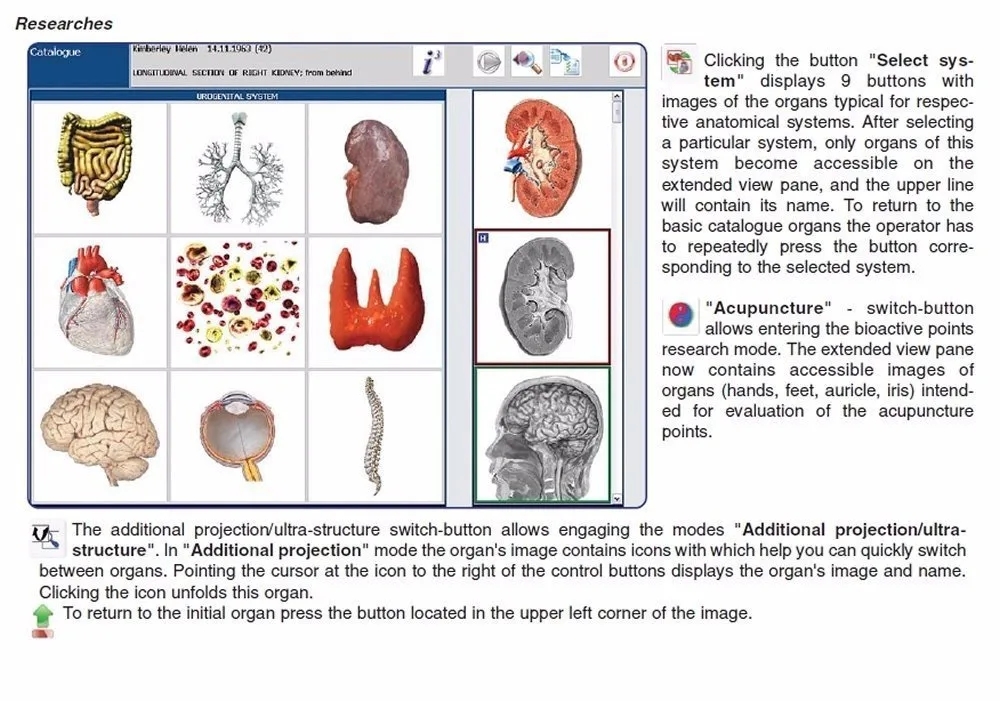
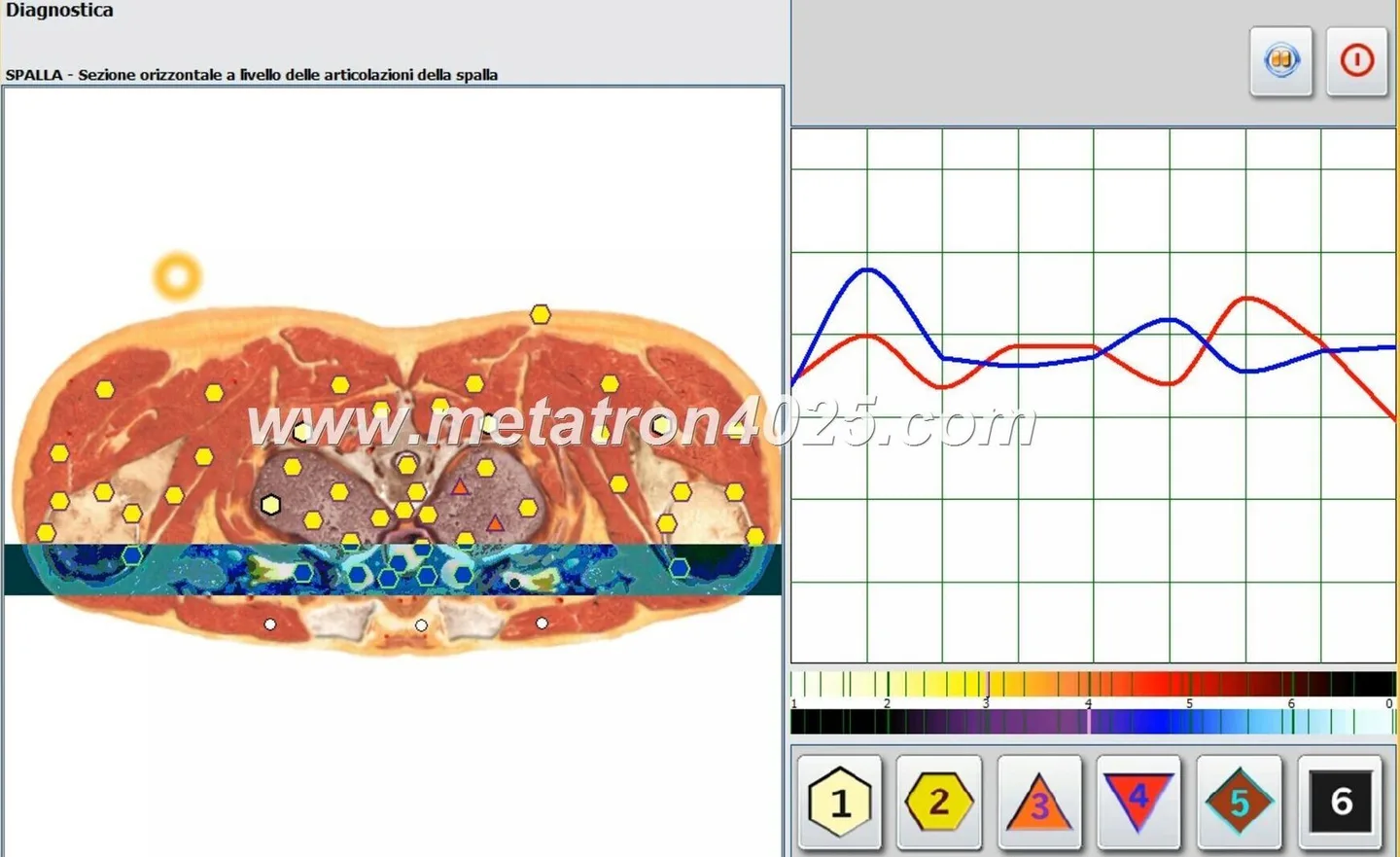
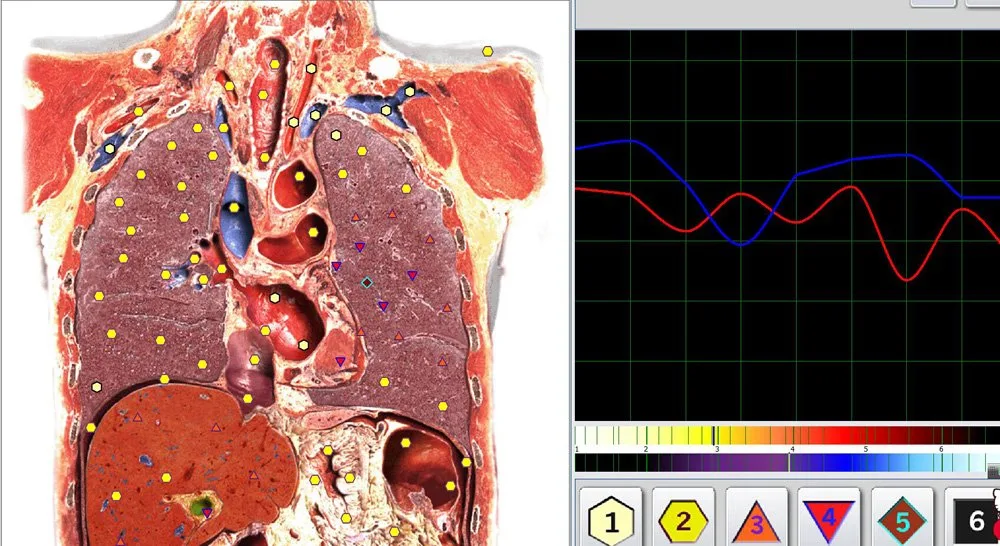
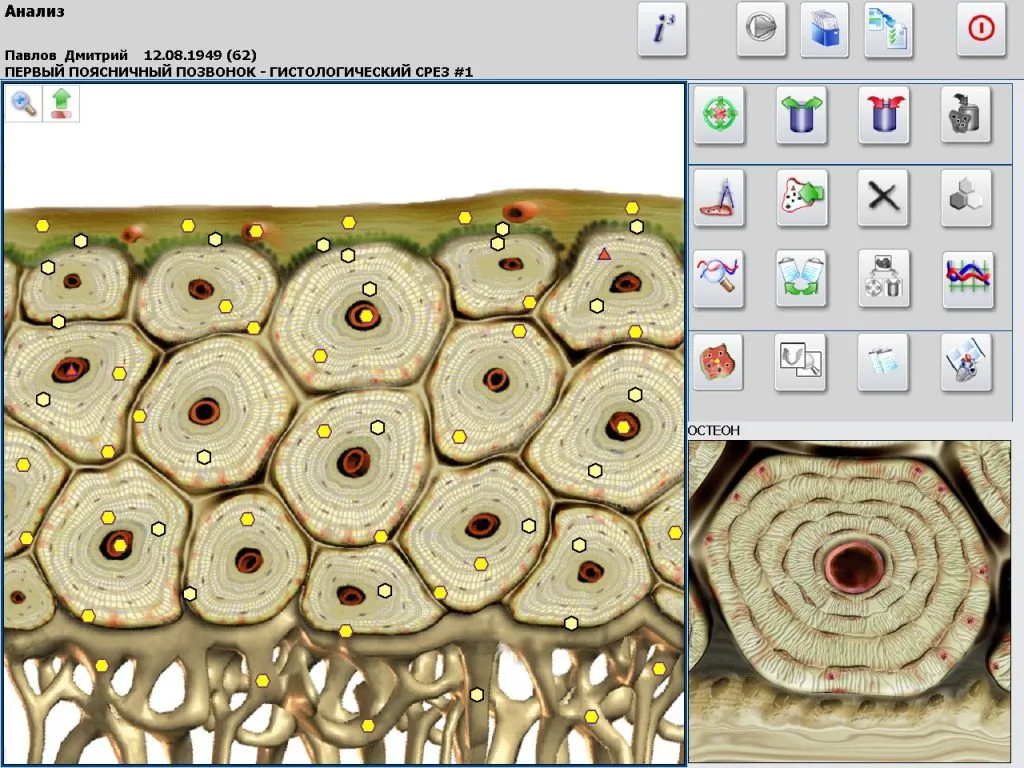
Reports are produced as “images with epicrisis,” meaning the software uses graphical organ maps or spectrogram-like images accompanied by a narrative or summary (an epicrisis). That format is intended for visual review and practitioner interpretation rather than direct numeric lab-readout substitution (data-fact-id=”121″, data-fact-id=”122″).
Practical session outputs you can use: interpreting ‘images with epicrisis’ in clinic workflows
Metatron Hunter 4025 Scanner — Practical Guide for U.S. Functional Wellness Practitioners · body
In clinic, the Hunter 4025 output typically presents two complementary items: a visual image (organ spectrogram or map) and a short epicrisis narrative summarizing flagged items. Useful practical approaches:
Use the image to direct clinician attention. If the software highlights a liver region, prioritize objective liver-related history, physical signs and standard labs (LFTs, hepatitis panel) rather than treating the image as definitive proof.
Treat allergen and nutraceutical lists as hypothesis generators. They suggest items to probe on intake questionnaires and to consider when ordering confirmatory allergy testing or planning elimination trials.
Use microorganism flags to guide differential suspicion only; confirm with appropriate microbiology or PCR testing before antimicrobial decisions.
Incorporate homeopathy or phytotherapy entries as practitioner-facing references only if that fits your clinical model; the etalon list is broad but not a substitute for clinical judgment or evidence-based prescribing.
Document how you interpreted each finding in the client’s chart. Record what you ordered for confirmation and what you recommended as a provisional intervention so your workflow remains auditable and compliant with scope-of-practice rules.
Reading the epicrisis: expect short notes that prioritize the most heavily weighted matches from the etalon library. Train staff to distinguish between “suggested observation” and “confirmed diagnosis,” and to use the report to create a prioritized action list rather than a definitive problem list.
Realistic clinic uses for Functional Wellness Practitioners in the U.S.
Metatron Hunter 4025 Scanner — Practical Guide for U.S. Functional Wellness Practitioners · body
Functional-wellness practices commonly use NLS-style devices like the Hunter 4025 in four practical ways:
Intake screening: A scan can help triage a comprehensive intake by highlighting systems and categories to explore more deeply during the first visit.
Treatment planning: Use report outputs to generate hypotheses—nutrient gaps, likely irritants, or organ systems needing additional testing—that then inform lab ordering or treatment sequencing.
Follow-up monitoring: Repeat scans can be used to document changes in the visual report and epicrisis after interventions, as a subjective response measure within the practice. Always pair scans with objective measures when you can (labs, validated questionnaires).
Client education: Images and epicrisis narratives are useful teaching tools that help clients understand why you recommended specific tests or lifestyle changes; they are also useful to support adherence conversations.
Practical note: integrate scans into billing and documentation workflows. Because the device output is not a conventional laboratory result, describe it in the chart as a wellness scan and record any confirmatory orders you place in response to flagged items.
Limits, scope and regulatory cautions for U.S. practice — what the device can and cannot be used for
Metatron Hunter 4025 Scanner — Practical Guide for U.S. Functional Wellness Practitioners · body
Key constraints you must respect:
The Hunter 4025 is a supplier-marketed NLS/bioresonance analyzer producing informational reports. It does not replace validated medical diagnostic tests. Present scan outputs as screening and informational material only.
Do not make claims that the device diagnoses disease, treats conditions, or replaces clinician judgment. Avoid marketing language that implies FDA clearance for medical diagnosis unless you have documentary evidence of such clearance from the manufacturer.
Check state scope-of-practice rules: some U.S. states restrict who may perform diagnostic procedures or use device-derived results to guide medical treatment. When in doubt, consult legal counsel or your professional board before using results for clinical decision-making.
Confirm liability coverage with your malpractice insurer before integrating the device into clinical workflows, and document how scan findings are confirmed by objective tests when used to guide interventions.
Installation and electrical requirements for U.S. operation are not supplied in the product facts snapshot. Confirm the exact power, plug type and any required adapters or local approvals before purchase (missing evidence: country-specific electrical/installation data).
Risks and realistic limitations
The manufacturer lists a claimed software “accuracy” range (95%–98%) in product documentation (data-fact-id=”122″). That figure is a supplier-provided metric and does not equate to an FDA-cleared diagnostic accuracy statement; treat the number as vendor information to be evaluated alongside independent validation. Clinical decisions should rely on validated laboratory tests and clinical evaluation, with the Hunter 4025 used only as an adjunct informational tool.
How to evaluate whether the Hunter 4025 fits your practice: seven practical checks
Metatron Hunter 4025 Scanner — Practical Guide for U.S. Functional Wellness Practitioners · body
Clinical purpose: Define exactly what you want the device to do—screening at intake, support for supplement selection, or client education. If you need diagnostic confirmation, plan to pair the device with standard labs.
Software and library coverage: Check that the etalon lists include the categories you care about (organs, pathomorphology, microorganisms, nutraceuticals). The supplier lists extensive libraries (see data-fact-id=”122″), but verify exemplar entries with your sales rep.
Staff training and interpretation: Ensure at least one clinician or technician will receive formal training in reading images with epicrisis and in translating outputs into evidence-based follow-ups. Ask for training scope and materials.
Software compatibility and IT: Confirm compatibility with your clinic’s computer (Windows 7–11 per product facts) and plan for data backups and privacy protection consistent with HIPAA if you store protected health information.
Reporting and documentation needs: Request sample reports so you can test whether images and narratives fit your charting templates and client-facing materials.
Evidence expectations: Determine what level of validation you require. If you expect peer-reviewed clinical validation for specific uses, request any independent studies the supplier can provide; absence of such studies should temper clinical expectations.
Integration with existing workflows and compliance: Map how scans will trigger follow-up orders, how results will be communicated, and how you will document consent and interpretation.
System, software and installation requirements
Practical technical details from the supplier record:
Software: Hunter (2026) — the device ships with this software (data-fact-id=”121″).
Supported operating systems: Windows 11, Windows 10, Windows 8, Windows 7 (data-fact-id=”122″). Ensure your workstation meets the vendor’s RAM, display and connectivity recommendations during quote stage.
MOQ and delivery: MOQ 1 piece; lead time listed as 2–5 days (data-fact-id=”121″).
Warranty: 1 year standard warranty (data-fact-id=”121″).
Missing details you should request in writing before purchase:
Exact power requirements, plug type and whether the unit requires a converter or transformer for U.S. voltage and sockets. The supplier record does not provide country-specific electrical/installation data; confirm before finalizing an order.
Minimum computer hardware specifications, backup procedures and recommended antivirus/IT settings for the Hunter software.
Whether the software supports multi-user logins and what data export formats are available for charting and compliance documentation.
Training, support and resources
Practical support questions to ask during procurement:
What is included in the initial training package (hours, topics, hands-on vs. classroom)?
Is there written operator and troubleshooting documentation suitable for clinic staff?
Are software updates provided free during the warranty period, and do updates require internet access from the clinic workstation?
Does the vendor offer a U.S.-based support contact or only international support lines?
A simple sample session workflow (tailored for a functional wellness clinic)
This sample keeps steps high-level so you can adapt details (timings, intake forms, consent language) to your practice and local regulations.
Pre-visit preparation: Collect a focused health history and basic labs if available. Send a consent form that explains the scan is an informational wellness assessment.
Intake and consent: Review chief complaints, medications and supplements. Confirm that the client understands the scan’s informational role.
Baseline inputs: Enter client demographics into the Hunter software and record any prior tests you’ll compare against.
Scan execution: Perform the auto 3-D spiral scan according to the operator manual. Save the generated image and epicrisis to the client’s file.
Report review and clinical triage: Translate flagged items into a prioritized action list: symptoms to investigate, labs to order, lifestyle elements to address, and safe supplemental support to consider. Document which items require confirmatory testing.
Client discussion and plan: Present the images and the epicrisis narrative as part of the explanation of your recommended next steps. Agree follow-up tests and a monitoring plan.
Follow-up: After confirmatory testing or initial interventions, repeat a scan only if it will meaningfully inform next steps. Keep all scan outputs alongside objective test results to evaluate usefulness over time.
Practical comparison: when to consider Hunter 4025 versus other NLS-style devices
When choosing among NLS or bioresonance devices, consider these selection dimensions rather than a single “best” label:
Library depth and relevance: The Hunter 4025 lists large etalon libraries across organs, pathomorphology and corrective agents (data-fact-id=”122″). If your practice emphasizes nutraceutical selection or allergen exploration, confirm those lists contain the items you use.
Software ergonomics: How readable are the images and epicrisis? Request sample reports and a demonstration session to evaluate whether the report format supports your client conversations.
Support and training availability: Devices differ widely on training scope and language support. If you need multi-language materials or local-language technical support, confirm availability.
Integration with workflows: Verify export formats, EMR compatibility, and how the vendor supports data management and backups.
Verification and evidence: Identify which vendors provide independent validation studies or case materials you can review. Determine whether vendor accuracy claims match the level of evidence you require to use the device clinically.
Logistics and local compliance: Lead time, warranty and electrical installation requirements matter—confirm them early in procurement (data-fact-id=”121″).
Commercial terms: If resale or agency is part of your plan, compare margins, training support, and exclusivity; use those business terms alongside clinical fit.
FAQ (short, focused)
Will purchasing the Hunter 4025 allow me to advertise diagnostic services?
No. Device outputs are informational. Advertising that implies the device provides medical diagnosis or replaces laboratory testing risks regulatory and legal issues. Check state practice rules and review marketing language with legal counsel before public communication.
What sample reports should I request before buying?
Ask for complete, anonymized examples of the “images with epicrisis” reports, the raw output lists for allergens and nutraceuticals, and an example of the meridian/food analysis pages. Request a live demo where you can see how the software produces the epicrisis and how results export to common formats.
Does the Hunter 4025 require internet access to operate?
The product facts do not specify this detail. Confirm during procurement whether software activation, updates or cloud functionality requires internet access and whether data can be stored locally for HIPAA compliance.
One useful next step
Become a local distributor or request a clinic configuration
We welcome inquiries from U.S.-based clinics and potential local distributors. If you are interested in agency opportunities or wish to discuss reseller terms, email Lucy@ihunter4025.com or message WhatsApp +8613510907401. Please include your clinic type, intended clinical uses, and any questions about training or local support so we can prepare a tailored response.
Manufacturer-declared certifications: The company declares ISO 9001 and CE marking for its product documentation. These are self-reported declarations from the supplier and should be verified with the seller for the specific shipment and configuration you intend to buy.
Note on missing installation evidence: The product snapshot does not include U.S.-specific electrical or installation specifications. Before purchase, confirm the exact power requirements, plug type and any required adapters or local compliance documentation with our sales team.
This article is for general informational use; it does not replace medical diagnosis or treatment, and it should not be used as a sole basis for clinical decisions.
本文章仅供一般信息参考,不能替代医生诊断或治疗,也不作为医疗诊断依据。
This content is provided for learning, information sharing and professional communication only. It is not medical advice and is not a basis for treatment or diagnosis. Confirm suitability, operation and purchasing requirements against the product manual, local regulations and qualified professional guidance.
If the Hunter 4025 looks like a fit for your practice, request a configuration and quotation so we can confirm the exact software package, training options, installation requirements and the U.S.-specific electrical details that are missing from the public snapshot. Contact us at Lucy@ihunter4025.com or WhatsApp +8613510907401 to request a quote or a demo. Visit our product page for more information: Metatron Hunter 4025.