Yes — a comparable provider LLLT laser therapy watch can be used by U.S. naturopathic doctors as a clinic adjunct, but only within clear practical and regulatory limits: it is a wearable low‑level light (photobiomodulation) device intended to deliver superficial, localized light to soft tissue and the wrist area; it is not a diagnostic instrument and should be used according to the manufacturer’s instructions and local scope‑of‑practice rules. Before clinic adoption we recommend verifying the vendor’s technical specifications and user manual, obtaining device labeling and any available safety information, documenting an evidence checklist, and preparing an informed‑consent and record‑keeping workflow. The sections below explain how the device works, realistic clinic uses, safety/regulatory cautions, an evaluation checklist, and practical next steps for a trial or quote.
Contents
Direct answer: can a comparable provider LLLT laser therapy watch be used by U.S. naturopathic doctors in clinical practice?
We answer this plainly: yes, a photobiomodulation wrist device such as the comparable provider high‑quality LLLT laser watch can be offered in a naturopathic practice as a noninvasive adjunctive service provided the device is used within the limits of your professional scope, manufacturer instructions and U.S. regulatory context.
Key caveats that determine whether you should adopt it are practical, legal and evidentiary: (1) confirm the device’s technical and safety documentation from the supplier, (2) confirm it is intended and labeled for therapeutic, wellness, or general use (not as a diagnostic device) and (3) establish clear informed‑consent, record keeping and contraindication screening consistent with your state scope of practice. Later sections walk through how to do those checks and how to integrate the watch into clinic workflows without overstating effects.
What a low‑level laser therapy (LLLT) watch means in plain language — how wearable photobiomodulation devices typically operate
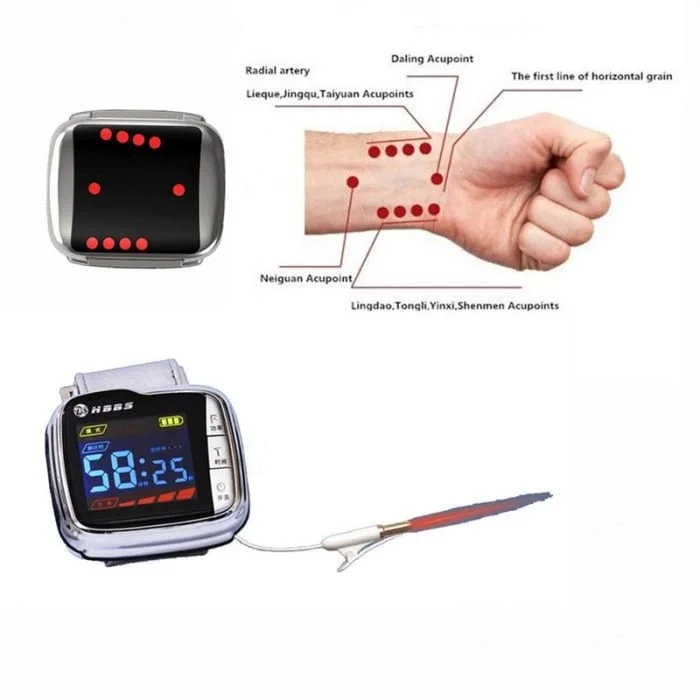
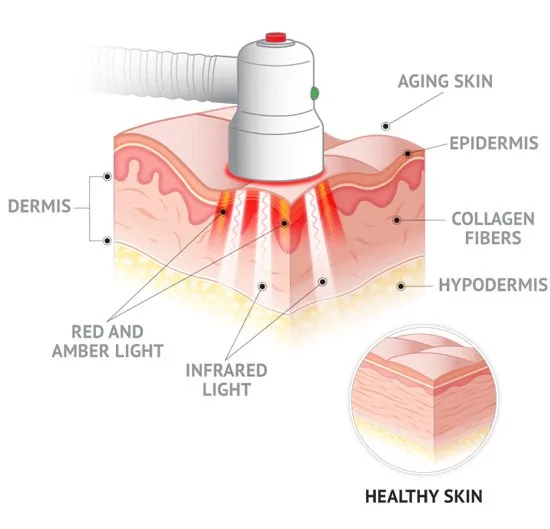
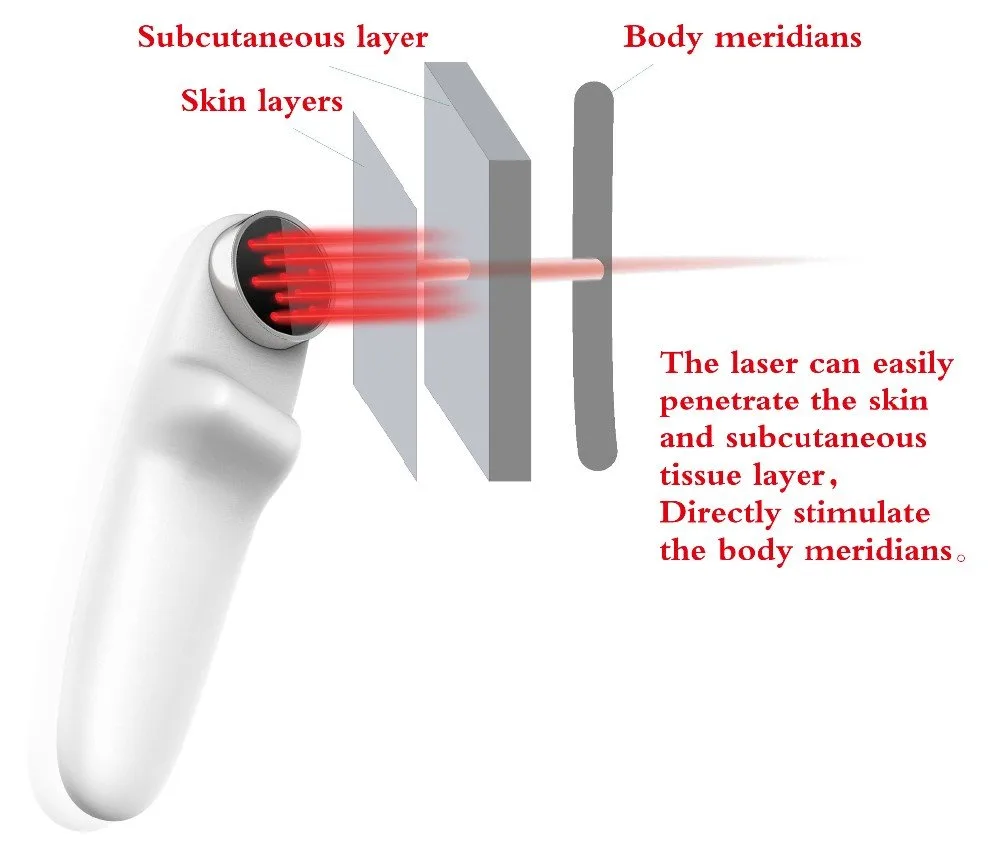
Wearable LLLT devices — commonly called laser watches, wrist bands or photobiomodulation wearables — typically use low‑power diode lasers or LEDs in red and/or near‑infrared wavelengths to deliver light energy to superficial tissues. They are designed to sit on the skin (for example, the volar wrist) and deliver a programmed output over an area. Important device attributes that determine what the product can do include: wavelength(s), radiometric output (power, irradiance), spot size or emitter layout, pulse mode versus continuous output, and the vendor’s recommended clinical programs and contraindication list.
These watches are engineered for convenience and repeatability rather than deep tissue penetration or focal targeted therapy that a higher‑powered in‑clinic laser or panel can provide. As a result, their clinical reach is typically limited to superficial modulation and local exposure near the device placement.
What a clinic‑focused practitioner should expect from an LLLT watch (realistic functional capabilities and typical session outputs)
We recommend thinking in terms of functional capability rather than promises. A therapy watch will normally:
Provide low‑power photobiomodulation to a small, superficial surface (wrist or nearby tissue).
Offer preset programs for timing and light output; the user manual should list wavelength and power values.
Be portable and easy to place for seated or short treatment sessions.
What to avoid assuming: the device is unlikely to substitute for a clinical laser system designed for deep soft‑tissue or joint work, and it does not replace clinical assessment, laboratory testing or established therapeutic interventions. If the vendor does not supply explicit radiometric numbers (wavelength, mW output, irradiance), request them before purchase — they are central to understanding what the device actually delivers.
Clinical use scenarios for naturopathic doctors — practical workflows where a therapy watch may add value without making unsupported claims
As naturopathic practitioners, the most practical, compliant uses for a wearable LLLT watch are as adjunctive, noninvasive therapies in well‑documented, consented care plans. Examples of realistic clinic workflows:
Supportive, time‑limited adjunct for patients requesting nonpharmacologic symptom support as part of a multimodal plan (for example, coupled with nutritional, lifestyle or manual therapies) — document the rationale and expected limits.
Low‑burden wellness or maintenance sessions offered to existing patients as part of an integrative program where the watch serves as a scheduled adjunct therapy.
Short in‑clinic demo sessions for patient education and home‑use familiarization, provided the supplier’s labeling permits consumer/home use.
In each scenario we recommend explicitly documenting that the watch is an adjunct, setting clear patient expectations and following the manufacturer’s instructions and contraindication guidance.
Safety, scope of practice and regulatory cautions for U.S. naturopathic doctors when using LLLT wearables
Key considerations you must address before offering LLLT watch sessions in clinic:
Device labeling and intended use: obtain the vendor’s labeling and user manual. Use the device only as the vendor intends and as allowed by your professional scope.
Scope of practice: confirm that using a wearable photobiomodulation device falls within your state naturopathic practice regulations; some states restrict use of lasers or require supervision for certain devices.
Training and competency: ensure staff operating the device are trained on placement, safety (including eye protection when required by the manual), screening and documentation.
Contraindications and pregnancy: use the manufacturer’s contraindication list and exercise clinical judgment; if the manual lacks such a list, request it and consult a qualified clinician or legal adviser before using the device with pregnant patients, those with active cancers, or patients using photosensitizing medications.
Records and informed consent: have a short informed‑consent form and session checklist that documents indication, informed expectations, device model and serial number, patient response and follow‑up plan.
Regulatory environment: wearable LLLT products are often marketed for wellness; however, the U.S. Food and Drug Administration (FDA) classifies some light‑based devices. Do not assert device FDA clearance or specific medical claims unless the vendor provides verified documentation. If the manufacturer claims regulatory approvals, request copies of those documents.
We emphasize caution: if a vendor’s materials promise curative effects, diagnostic capability or regulated medical indications, treat those claims as requiring verification and do not depend on them for clinical decision making.
How to evaluate an LLLT watch for clinic adoption: an evidence checklist and supplier questions
Before you trial or buy a comparable provider or similar LLLT watch, collect these items from the supplier and evaluate them in writing:
Device identity and labeling: exact model name, serial number range, and intended use statements from the user manual.
Technical parameters: wavelengths (nm), average output power per emitter (mW), irradiance (mW/cm²) or energy per area if provided, pulse vs continuous mode, and recommended program details. If these are missing, request them — they are critical for assessing capability.
Safety documentation: user manual, contraindication list, recommended eye protection, electrical safety compliance documentation (e.g., CE declaration if supplied) and cleaning/disinfection instructions.
Regulatory claims: any declared certifications (for example, the manufacturer’s reported ISO 9001 or CE marking may be provided by the company; request copies of certificates and do not treat them as automatic regulatory clearance in the U.S.).
Clinical evidence: vendor‑supplied clinical studies, white papers or peer‑reviewed research directly using the identical model (not a different product) — if none exist, the device can still be used as an adjunct but you should avoid therapeutic claims beyond the evidence.
Warranty, replacement parts and service: warranty terms, expected product life, service contacts and training availability.
Software and compatibility: if the watch pairs with software, confirm platform support (Windows versions, macOS, mobile OS) and whether software updates are included.
Ask the supplier for a demonstration unit or short trial period and for a redacted copy of any clinical literature they supply so you can critically appraise relevance to your practice.
Integration into a naturopathic intake and follow‑up routine — sample step‑by‑step session plan
We cannot prescribe device settings. Instead, use this compliance‑minded operational plan that keeps clinical judgment and documentation central. Use the manufacturer’s program recommendations for any device‑specific settings.
Pre‑visit screening: add a short LLLT screening form to intake that asks about pregnancy, photosensitivity, active malignancy, implanted electrical devices and photosensitizing medications.
Clinical justification and informed consent: brief note in the chart that explains the adjunctive rationale, the device model name, and the limits of expected benefit. Obtain written informed consent acknowledging the session is adjunctive.
Baseline measures: document patient symptom scores or relevant objective measures used in your practice so you can track change (for example, pain VAS, sleep quality scale, or patient‑reported outcome relevant to the service).
Device setup: follow the manufacturer’s placement instructions exactly. Use any recommended protective measures (for example, eye protection) if specified.
Run manufacturer program: select the manufacturer‑recommended program — record program name, device serial number, and session duration in the chart. If the manual is absent, do not attempt ad‑hoc parameter changes; request manufacturer guidance first.
Post‑session check and follow‑up: note immediate response and any adverse sensations. Provide patient written aftercare guidance consistent with the manual and schedule follow‑up visits if part of the plan.
This process keeps care defensible and transparent without inventing unverified therapeutic protocols.
Training, documentation and patient education you should prepare before offering LLLT watch sessions
Training and documentation are the foundation of safe in‑clinic use. We recommend preparing the following before scheduling paying sessions:
Operator checklist: device inspection (battery, emitters), cleaning and disinfection steps, correct placement, and emergency contact procedures.
Informed‑consent template: brief description of the device, intended adjunctive purpose, likely benefits and limits, and a statement that it is not a diagnostic tool. Include space for patient questions and signature.
Contraindication and medication screening checklist: items for common photosensitizers and conditions the vendor flags.
Patient handout: short plain‑language sheet that describes what the session feels like, what to expect, and how the patient should report adverse effects.
Staff training: at least one staff session on the device manual, cleaning, placement and charting procedure; keep training records in staff files.
Comparing an LLLT watch to other in‑clinic LLLT options — practical tradeoffs for a naturopathic practice
When deciding whether to add a wearable watch to your clinic, weigh these practical tradeoffs:
Portability and patient throughput: watches are portable and low‑touch, making short adjunctive sessions feasible. However, they cover a very small area per session versus panels or handpieces designed for broader or deeper coverage.
Clinical capability: higher‑power Class 3B or Class 4 lasers and full‑spectrum LED panels deliver higher irradiance and can reach deeper tissues (when used correctly). A watch is not a substitute for these devices if your clinical goals require deeper penetration or larger treatment fields.
Cost and training: watches often have lower upfront cost and simpler training needs. More powerful in‑clinic systems require stronger safety protocols and operator certification in some jurisdictions.
Regulatory and documentation burden: powerful lasers often carry stricter regulation and facility requirements; wearable watch devices commonly sit in a lower regulatory band but that does not remove your duty to document safe use and informed consent.
Common objections and realistic limits: what an LLLT watch cannot replace in clinical care
We want to be explicit about limits so you can manage patient expectations:
It is not a diagnostic device and should not be used as one.
It cannot replace higher‑power lasers, ultrasound, or other therapeutic modalities when deeper tissue penetration is required.
It does not remove the need for clinical assessment, laboratory work, or evidence‑based interventions where those are indicated.
It should not be marketed with specific disease cure claims unless the manufacturer supplies valid regulatory or clinical evidence linking the model to that indication.
Practical next steps for clinicians ready to evaluate or trial a comparable provider LLLT watch (what to request from a supplier and what to document in your clinic)
For a pragmatic evaluation, request the following from the supplier up front and document receipt before any trial:
Complete user manual, including wavelengths, power outputs, recommended programs and contraindications.
Device labeling that states intended use (wellness, therapeutic adjunct, etc.).
Safety and electrical compliance information and any declared certificates the company provides (for example, CE or ISO statements as declared by the supplier).
Warranty and service policy and availability of replacement emitters or parts.
Availability of sample units or a short trial period and clinician training materials.
Once you have those materials: run a single supervised internal trial with staff or consenting patients, document baseline measures, collect feedback, and keep a short adverse‑events log for early detection of issues.
Soft conversion: how to request a quote or distributor contact for the comparable provider LLLT watch
Contact details:
Phone / WhatsApp: +8613510907401 (we can be reached by voice or messaging)
Email: Lucy@ihunter4025.com
Website: https://ihunter4025.com/
We also welcome discussions with clinicians or organizations interested in becoming local U.S. distributors or agents; please include “distribution inquiry” in your message and describe your clinic or business profile.
Evidence, limitations and risks
Evidence: wearable LLLT devices are conceptually aligned with photobiomodulation principles, but model‑specific clinical evidence varies. If the supplier provides peer‑reviewed studies conducted with the exact model you plan to use, review them carefully for sample size, endpoints and applicability to your patient population. If no model‑specific studies exist, treat the device as a low‑risk adjunct with limited demonstrated effects and avoid definitive therapeutic claims.
Limitations: Manufacturer statements and company‑declared certifications (for example, ISO 9001 or CE) may be provided by the vendor. These declarations do not substitute for U.S. regulatory clearance or imply specific clinical efficacy. If a vendor asserts regulatory approvals for U.S. medical claims, request copies of the supporting documents and legal opinion before relying on such claims in clinic advertising.
Risks: the primary clinical risks are incorrect placement, inadequate screening for contraindications (pregnancy, photosensitizing medications, certain types of implants), inadequate record keeping, and overstated marketing claims. Eye exposure risk is low for many wearable watches but follow manufacturer eye‑safety guidance strictly.
Adoption checklist for busy clinics (printable)
Obtain device manual and technical parameters (wavelength(s), output power).
Verify intended use and any declared supplier certifications.
Confirm training availability and warranty/service policy.
Prepare an intake screening form and informed‑consent template.
Run a supervised clinic trial and log baseline measures and any adverse events.
Decide whether to offer the service to existing patients only or to new patients after trial evaluation.
Document record‑keeping and scheduling protocols.
FAQ — brief, practical answers
Do I need special licensing to operate a laser watch in the U.S.?
Licensing depends on your state and the device classification. Check your state naturopathic practice regulations and confirm the device’s labeling. If in doubt, obtain legal guidance before offering sessions.
Can I sell home units to patients?
Only if the vendor supplies units labeled and intended for home use and you comply with state rules. If the product is sold as a consumer wellness product and the labeling supports home use, you can consider retailing, but avoid therapeutic claims beyond the device labeling and evidence.
What should I document in the patient record?
At a minimum, document device model and serial, program used (manufacturer name for the program), session date and time, informed consent, baseline measures, and any immediate patient response or adverse event.
Final practical notes and how we can help
Disclaimer: This article is for general information only and does not replace medical diagnosis or treatment; it is not intended as a medical diagnostic tool or definitive clinical guidance. Always follow manufacturer instructions and your professional legal/regulatory obligations when using medical or wellness devices.
Contact / Request a quote or distributor inquiry
To request a demonstration unit, product manual or a distributor discussion, contact:
Phone / WhatsApp: +8613510907401
Email: Lucy@ihunter4025.com
Website: https://ihunter4025.com/
When contacting us, please state your clinic name, state, interest (trial, purchase or distribution) and any specific documentation you require (manuals, certifications, training).
We welcome qualified naturopathic partners and distributor inquiries for the U.S. market.
This content is provided for learning, information sharing and professional communication only. It is not medical advice and is not a basis for treatment or diagnosis. Confirm suitability, operation and purchasing requirements against the product manual, local regulations and qualified professional guidance.
If you are ready to request more information, a demo or a quote, contact us with these items so we can prepare an appropriate response: desired quantity for trial, your clinic address and state (so we can note any state regulatory considerations), whether you need a demonstration unit, and preferred training options. Pricing and configuration are available on inquiry.
We advise approaching a comparable provider LLLT laser watch as a low‑power photobiomodulation adjunct that can extend noninvasive options in a naturopathic clinic — provided you verify the device documentation, respect scope‑of‑practice boundaries, and implement careful patient screening, consent and record keeping. If you would like manufacturer manuals, demonstration units or to discuss a trial and distribution partnership in the U.S., contact us using the details above. Pricing and configurations are available upon request.
We are available to provide product manuals, training materials and distributor discussions for qualified clinics and partners. Please include your clinic’s state and intended use when you contact us so we can prepare relevant documentation.
does low level laser therapy work 9.jpgdoes low level laser therapy work 8.jpgdoes low level laser therapy work.JPG