Categories
- Knowledge and help (92)
- Blog (301)
- Oberon (12)
- bioplasm nls (14)
- Diacom nls (20)
- Metatron Hunter 4025 NLS review (41)
- Metatron Hunter Manual (7)
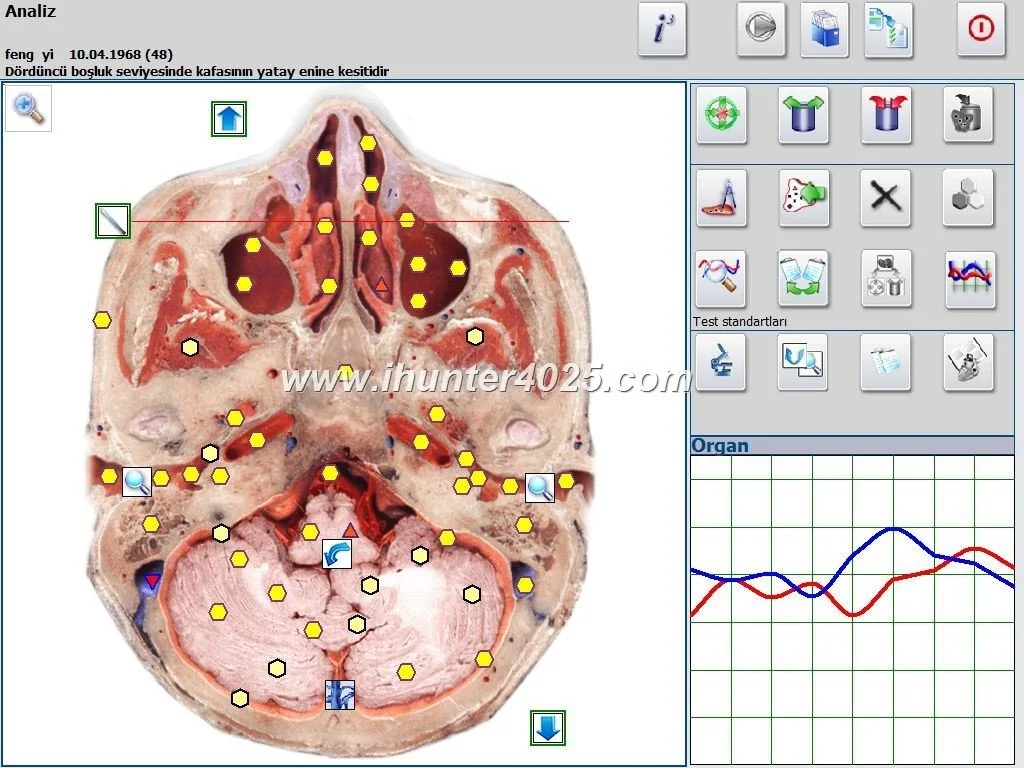
Yes—you can include Metatron Hunter 4025 scans in a U.S. corporate wellness program as a non‑diagnostic screening and engagement tool, provided you design the pilot to respect informed consent, avoid clinical claims, and connect scan findings to verified follow‑up care. The Metatron Hunter 4025 is supplied with the Hunter software and manufacturer‑reported capabilities such as Auto 3‑D SpiralScanning, Biological resonance scanning and a reported accuracy range of 95%–98%; outputs are images with an epicrisis-style summary. Use those outputs for risk‑flagging, employee engagement and triage to clinical confirmation rather than as definitive medical diagnoses. Pilot first to establish throughput, staff roles, data workflows and KPIs and consult legal/privacy counsel about HIPAA and state medical practice rules before scaling. (See technical parameters annotated from our product fact record below.)
From a program design perspective you need to know what a Metatron Hunter 4025 appointment will deliver in practice, and how reliable those deliverables are for the purposes employers care about: engagement, early identification of issues, and referral generation.
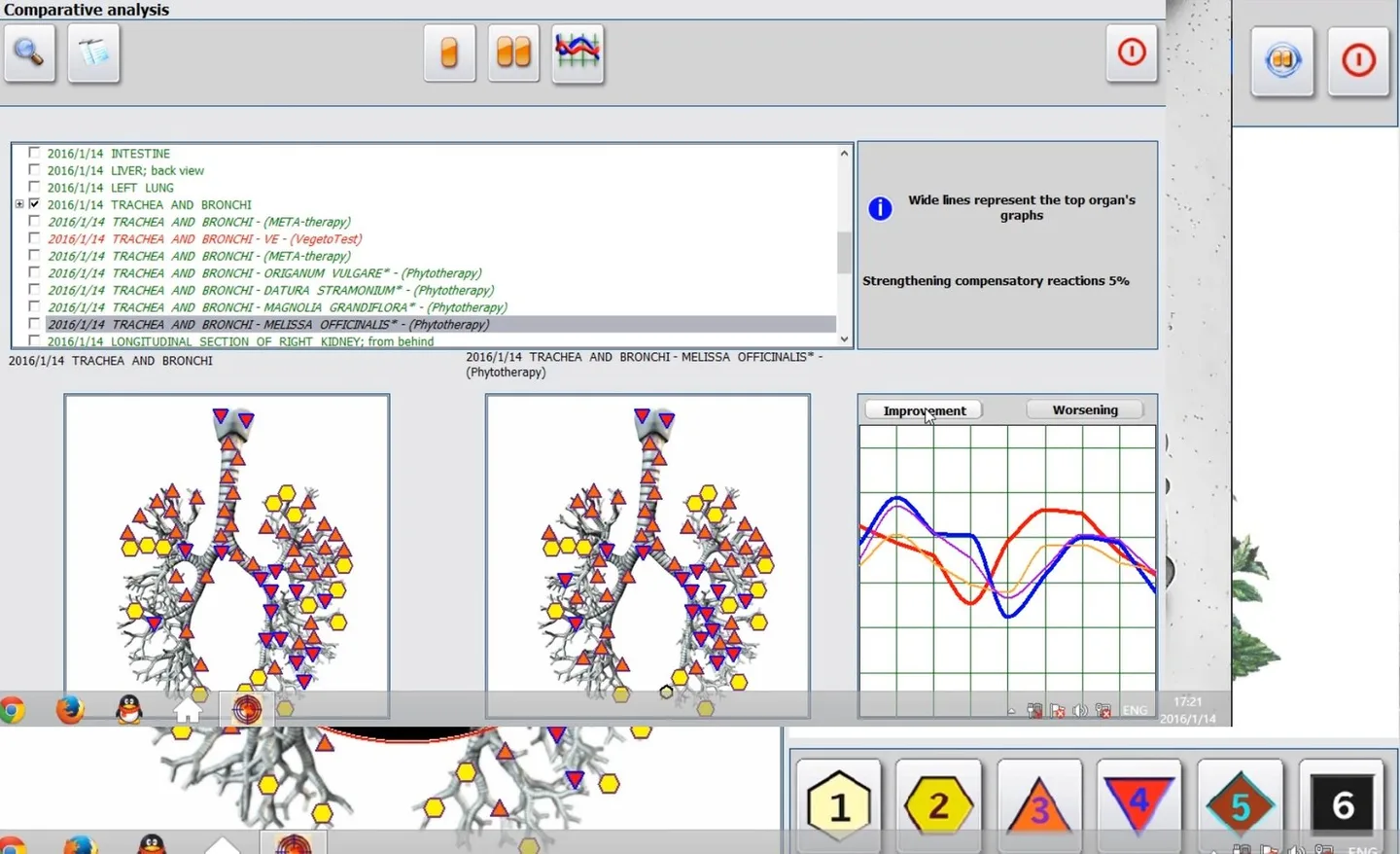
The device is marketed with the following manufacturer‑reported capabilities: it runs the Hunter comparison software, uses Auto 3‑D SpiralScanning plus Biological resonance scanning, and the vendor reports an accuracy range of 95%–98%. Its standard report format is described as images with an epicrisis (a summarized interpretation). The instrument includes parameter libraries for meridian analysis, food and emotional analysis, and a large internal database (for example: 886 organs, 688 pathomorphology entries, 171 microorganisms and helminths, 1498 homeopathic entries, 181 allergens, 967 allopathy references and 1159 nutraceutical/parapharmaceutical entries). These values are preserved from the product record for Metatron Hunter 4025 and should be used as vendor‑provided specifications rather than independent clinical validation. (Product data reference: Metatron Hunter 4025, data-fact-id=”122″.)
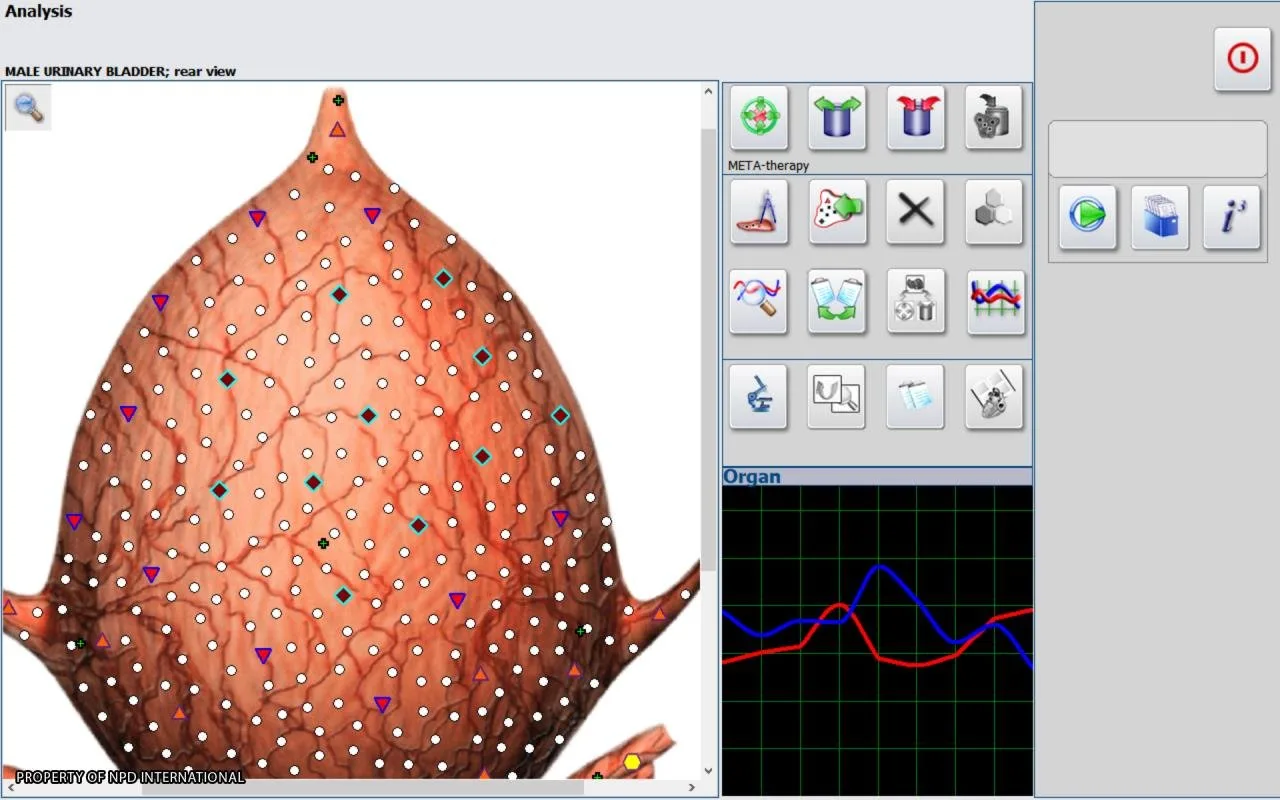
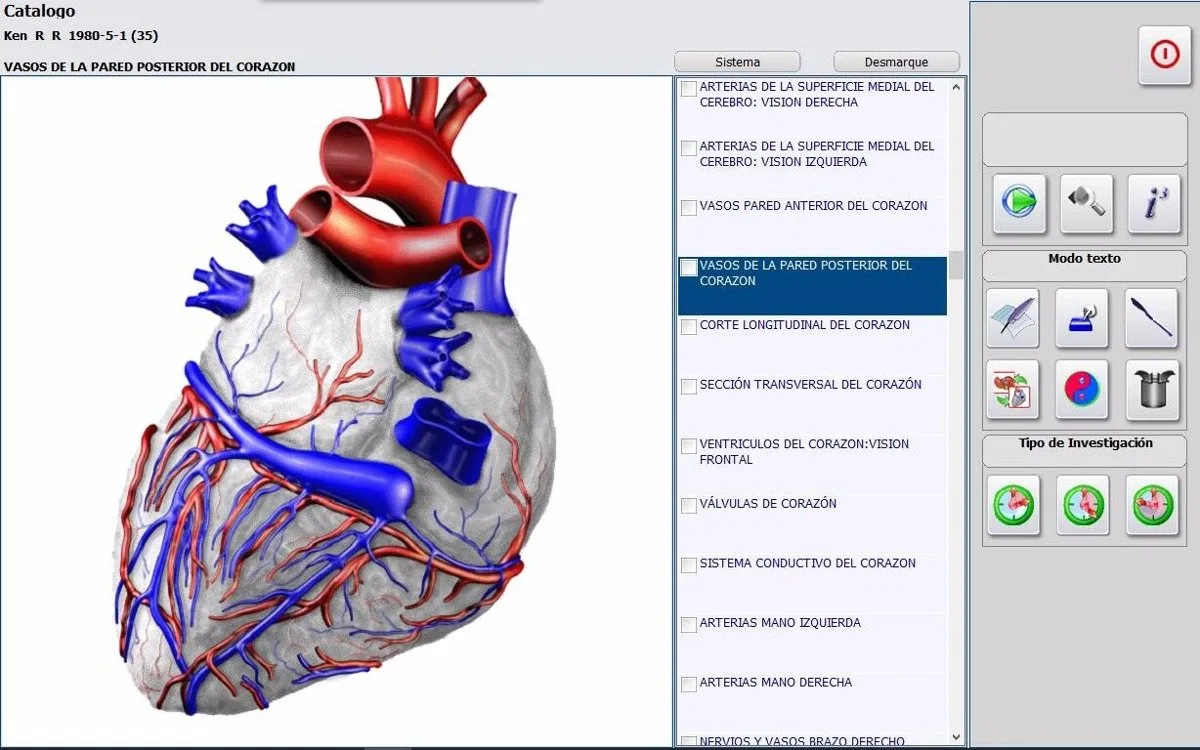
Why that matters: employers do not need a device to make medical diagnoses; they need consistent, actionable outputs that trigger appropriate next steps. The Metatron’s outputs are visual and summary‑style—useful for engagement and triage but not a substitute for medically supervised testing. Plan your program to use the scan as a stimulus for evidence‑based follow‑ups: confirmatory lab work, occupational health referrals, or health coaching pathways.
Be specific about what success looks like. When we design employer programs around this class of device, we map device outputs to three practical outcomes:
What the Metatron should not be used for in your program: making definitive medical diagnoses, replacing provider assessments, or as the exclusive basis for employment or benefits decisions. Any claim beyond triage and engagement risks regulatory and legal exposure.
Structure: the wellness center runs a scheduled onsite screening event at the employer site or at your clinic. Employees sign up, complete consent and intake forms, undergo the scan and receive a summarized report and recommended next steps.
Advantages: higher participation because of convenience; stronger employer branding; immediate opportunity to upsell follow‑up services at your center.
Trade‑offs: logistics (space, mobile equipment, staff travel), privacy controls during onsite sessions, and the need for clear separation between engagement content and medical advice.
Structure: employer funds or subsidizes Metatron scans performed at designated partner clinics or your wellness center. Employees schedule at leisure, often through an employer portal or voucher.
Advantages: centralized recordkeeping at partner clinics, easier control over consent and data storage, and potentially better clinical handoffs to local providers.
Trade‑offs: lower impulse participation versus onsite events and the need to build employer trust in partner clinic quality and process consistency.
We recommend a three‑stage approach: pilot, evaluate, scale.
Rather than prescribing fixed appointment lengths, we break the employee journey into discrete steps you can measure during your pilot. The manufacturer lists scanning speed as “Fast,” but overall appointment time depends on intake, consent, and results review. Plan capacity around process steps rather than a single fixed duration.
Measure the time for each sub‑step in your pilot to set realistic throughput targets for future events.
Design roles by function, not headcount. For a modest employer pilot we typically recommend the following roles and competencies:
Training should cover device operation, privacy handling, consent language and how to phrase results so they are informative without asserting medical diagnoses. Keep training records and a simple competency checklist for operators.
The device outputs are personal health‑related information in an employer wellness context. We view compliance as a three‑part process: what you collect, how you store it, and how you communicate results.
Apply HIPAA best practices if you will handle the data in ways that fall under HIPAA (for example, if your clinic is a covered entity). At minimum:
Make these points explicit in consent and on printed materials:
We strongly recommend legal review of consent wording and a short privacy notice for employees. If your program will interface with clinical care providers, define data‑sharing agreements with clear responsibilities and HIPAA compliance where applicable.
Employers vary in what they will fund. We advise offering three simple tiers so HR buyers can choose what fits their population.
Deliverable: onsite or referral access to Metatron scans, an image‑based epicrisis report, and a standardized plain‑language recommendations sheet for self‑care and how to obtain confirmatory care.
Deliverable: everything in Basic plus a scheduled telephonic or in‑person review with a health coach or nurse, assistance booking confirmatory lab tests, and a short action plan.
Deliverable: repeating scans at scheduled intervals (for monitoring engagement and trend visualization), monthly KPI reports to HR (aggregated and de‑identified) and discounted follow‑up services at your clinic.
When pitching tiers, be explicit about what the scan will and will not do, and what additional services constitute clinical care charged separately.
Choose KPIs that match employer priorities—engagement, cost‑avoidance via timely referrals, and increased preventive care uptake are common. Do not use the device outputs alone to claim clinical outcomes.
Use these KPI trends, not single‑event outputs, to decide whether to expand the program.
Subject: Complimentary wellness screening available in [location] on [date].
Body preview: We’re offering a voluntary, non‑invasive wellness scan performed by a trained operator. The scan produces an image summary and suggested next steps—it is not a medical diagnosis. Participation is voluntary and private. To sign up, click [link].
“Your scan includes an image summary and an epicrisis report that highlights areas for follow‑up. The device provides screening information only and is not a medical diagnosis. We recommend the following next steps based on the report: [coaching | suggested clinical follow‑up | lifestyle resources]. If you have urgent symptoms, contact your primary care provider.”
We will not understate the risks. The manufacturer’s reported accuracy and device outputs are vendor provided; they do not constitute clinical validation under U.S. regulatory pathways. The Metatron’s reports should be framed as screening‑level outputs and always linked to confirmatory clinical care when a potential health issue is identified.
Additional limitations in our data snapshot: the manufacturer listing does not include U.S. electrical installation details and the product page excerpt should not be treated as an FDA clearance statement. If you plan to position scans as health screening under medical‑supervised programs, consult legal counsel and your clinical partners for compliance with state medical practice laws and federal rules.
Our product snapshot does not include any FDA clearance claim. Do not represent the device as FDA‑cleared for diagnostic use unless you have independent, documented verification from FDA records or the manufacturer’s explicit regulatory documentation for U.S. markets. For program compliance, treat the device as a screening and engagement instrument and rely on clinically validated tests for diagnoses.
We advise against mandatory scans. Make participation voluntary, ensure a clear consent process, and explicitly state that results will not be used for employment decisions.
If you want to progress from planning to action, here is a practical one‑page next step:
Contact details:
We welcome inquiries about becoming a U.S. distributor or operating partner; send a short note describing your center, service area and an estimate of monthly throughput and we’ll prepare a suggested configuration and costing outline.
We design Metatron‑based corporate wellness pilots to reduce employer friction and increase connection to verified clinical care. Use the device’s image‑based reports to triage and motivate, not to diagnose. Pilot deliberately, track the right non‑clinical KPIs, and set up clear privacy and referral pathways before you scale.
We reproduce the device’s vendor‑provided capabilities such as Hunter software, Auto 3‑D SpiralScanning and a reported accuracy range of 95%–98% from the product record for Metatron Hunter 4025 (data-fact-id=”122″). These are vendor specifications and should be treated as such.
Short localized disclaimer: This article is for general information only and is not medical advice; it does not replace professional medical diagnosis or treatment and should not be used as a sole basis for clinical decisions.
This content is provided for learning, information sharing and professional communication only. It is not medical advice and is not a basis for treatment or diagnosis. Confirm suitability, operation and purchasing requirements against the product manual, local regulations and qualified professional guidance.
If you want MAIKONG to assist with configuration options or to request a quote, contact us for a tailored proposal. Pricing and configuration options are available on inquiry.
We can prepare a pilot configuration for your wellness center or discuss U.S. distributor/partner opportunities. For a quote or partnership discussion, contact us with your intended program model, estimated monthly scan volume, and whether you plan onsite events or clinic referrals.