Categories
- Knowledge and help (92)
- Blog (298)
- Oberon (12)
- bioplasm nls (14)
- Diacom nls (20)
- Metatron Hunter 4025 NLS review (41)
- Metatron Hunter Manual (7)
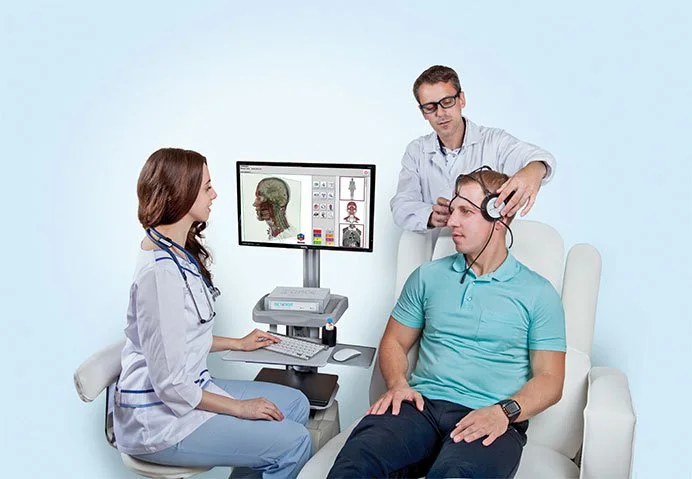
Yes — you can adapt Metatron Hunter 4025 (Hunter software, Auto 3‑D SpiralScanning) sessions for older or mobility‑limited patients, but you should treat the device’s output as a non‑diagnostic clinical adjunct and change intake, positioning, timing, monitoring and reporting practices to match geriatric needs. Practically, that means a geriatric‑focused intake and consent checklist, transfer and seating procedures, gentler headset/probe handling during Auto 3‑D scans, clearer plain‑language explanations, systematic medication/supplement documentation, and a follow‑up plan that coordinates with the patient’s primary medical provider. Below we give clinic‑ready checklists, workflow adjustments, interpretation priorities and documentation templates to use with the Metatron Hunter 4025 outputs (images with Epicrisis) so you can run safer, more useful sessions for older adults.
We recommend adapting every Metatron Hunter 4025 session for an older adult by: 1) pre‑screening mobility, cognition and medications; 2) allowing additional time and an accompanying caregiver when appropriate; 3) using supportive seating and non‑slip surfaces; 4) handling the headset/probe more slowly and monitoring for fatigue or dizziness during Auto 3‑D SpiralScanning; 5) prioritizing interpretation of organ, pathomorphology, meridian and allergen outputs while avoiding diagnostic statements; and 6) documenting findings and next steps clearly for the patient’s medical team. These adjustments preserve the device’s standard scanning features (Hunter software; Auto 3‑D SpiralScanning and Biological resonance scanning) while reducing fall, comfort and informed‑consent risks in a wellness clinic serving older adults. We treat Metatron outputs as adjunctive data, not a substitute for physician assessment.
This guide is written for one reader: a U.S. wellness center owner or lead practitioner who regularly serves older adults (clinic, medical spa or community wellness program). If you run sessions for mobility‑limited, frail, visually or hearing‑impaired seniors, the workflows and checklists below are tailored to your daily decisions: how to prepare, how to scan without causing harm or unnecessary stress, what parts of the Hunter report to prioritize, and how to document and communicate results to patients and referring clinicians.
Before we discuss clinical changes, here are the Metatron Hunter 4025 product facts that directly affect workflow and interpretation. We include only company‑reported parameters relevant to geriatric use.
Use this snapshot to shape what you will read from the device and how you schedule and staff sessions. The Auto 3‑D SpiralScanning mode is fast by design; that matters for positioning and monitoring older patients during the run.
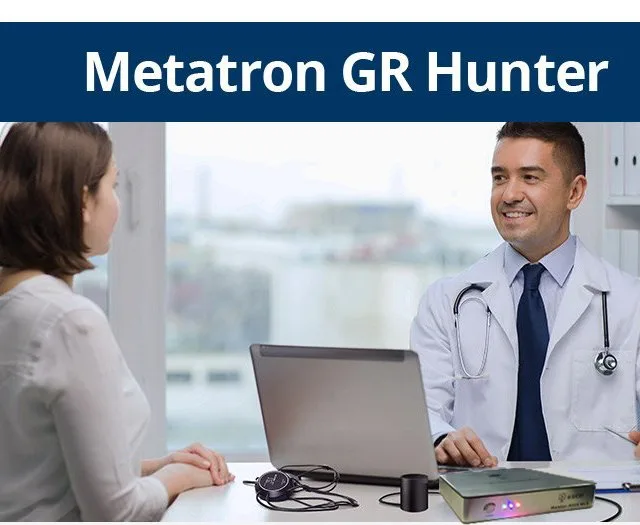
Older adults commonly present with a set of predictable issues that affect how a scan should be run and interpreted. Addressing these differences reduces risk and raises the clinical usefulness of results.
Transfers, short walks to the scanning chair and balance during seating are the most frequent hazards. Plan the room layout, use non‑slip flooring, and have staff available to assist transfers. Always confirm whether the patient uses an assistive device and whether it should remain in reach.
Older patients may not hear instructions or see on‑screen items clearly. Use large‑print handouts, maintain eye contact, speak slowly, and consider a caregiver or family member for communication support.
Cognitive impairment affects consent quality and the patient’s ability to follow instructions during scanning. Use a short capacity check (plain language explanation and teach‑back) and document who provided consent if a legally authorized representative is involved. When in doubt, defer to the patient’s primary clinician.
Multiple prescriptions and supplements are common. The Hunter report includes nutraceuticals and allopathy lists that may overlap with what the patient already takes—document and cross‑reference rather than assume the device’s suggestions replace medical advice.
Skin fragility, dry skin and temperature sensitivity can affect comfort when fitting headsets, electrodes, or contact pads. Use soft padding and avoid tight straps.
Age‑related chronic conditions often appear as persistent deviations on non‑invasive scans. Expect more “positive” findings and prioritize changes from the patient’s baseline, not every flagged item on the single report.
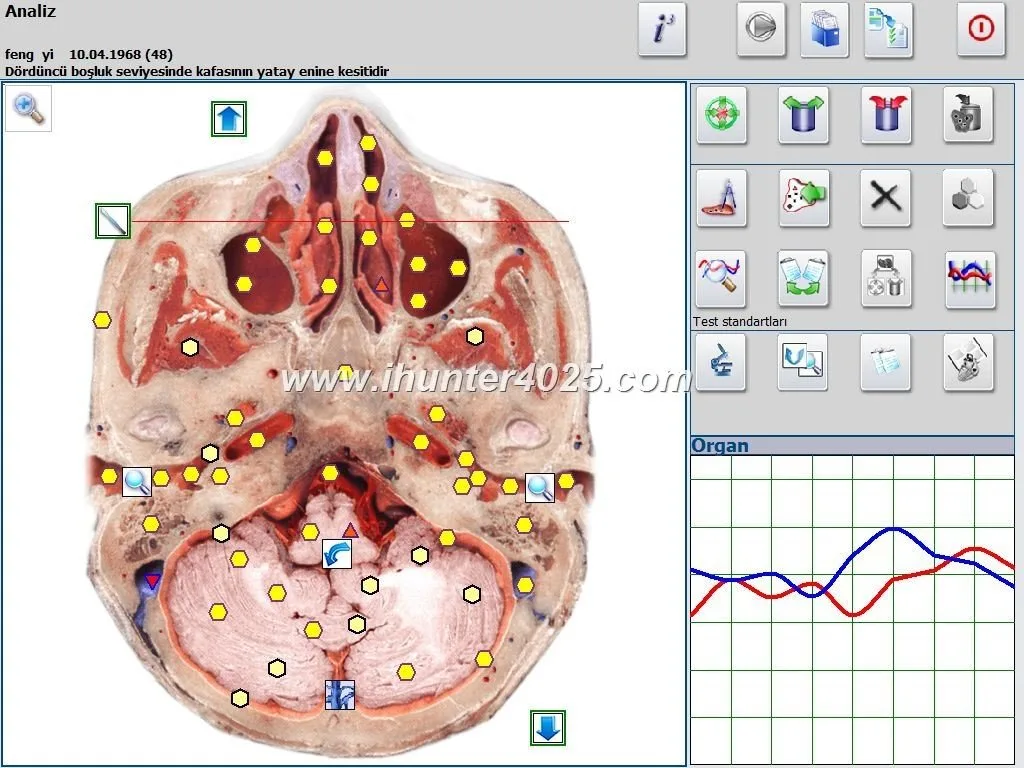
We use a compact intake flow before every Metatron session for older patients. The goal is to capture the context the device can’t: medications, clinician relationships, mobility limits and realistic goals for the output.
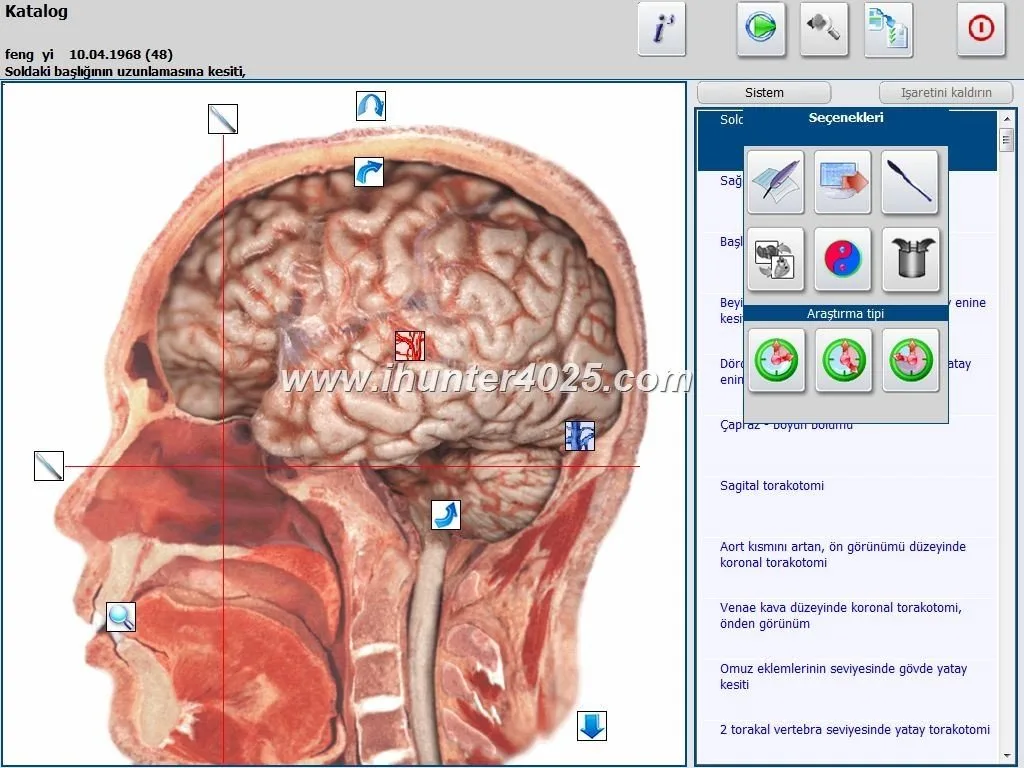
Small changes to the room and equipment reduce incident rates. We standardize a geriatric setup kit for easier reuse.
Keep a clear path to the scanning chair, minimal furniture, and non‑slip surfaces. Place a stable side table within reach for reading glasses, medication or a phone.
Choose a high, firm chair with armrests and a stable back. If your clinic uses a recliner or adjustable chair for supine scanning, confirm the patient can tolerate the position and avoid rapid adjustments.
Prepare soft head padding for headset contact points, a lap blanket for warmth, and a second staff member for transfers if the patient is unsteady. Maintain sanitizer and disposable padding for infection control.
Perform a pre‑scan safety brief with the patient: explain what they will feel (if anything), how long the scan usually runs in Auto 3‑D Spiral mode, and give a simple stop signal (raise hand or a squeeze ball) if they need the scan paused. Keep footwear on unless contraindicated.
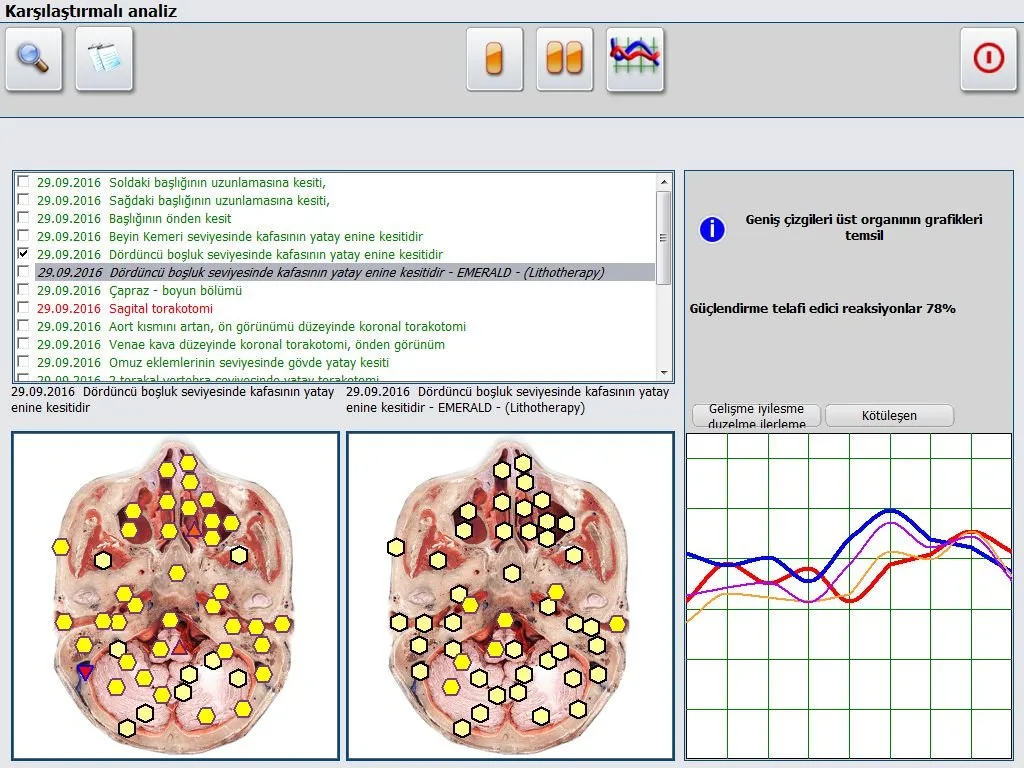
The Metatron Hunter 4025’s Auto 3‑D SpiralScanning is fast, but older patients may need breaks and slower handling to avoid anxiety or dizziness.
Fit the headset or probe slowly and symmetrically. Use light pressure and padding on contact points. If the patient reports pressure or discomfort, stop and re‑pad before starting the scan.
Confirm the patient is comfortable and understands the stop signal. Start the scan and monitor facial expression, respiration and posture throughout the run. Assign a staff member to watch the patient while another operates the software if needed.
Observe for restlessness, diaphoresis, paleness or reporting of dizziness. If any occur, safely pause the scan and reassess. For patients who fatigue quickly, plan a staged scanning approach (targeted regions first, then broader scans) rather than a single uninterrupted full run.
Remove the headset gently and allow the patient to sit for a minute before standing. Offer water and check for any post‑scan dizziness or nausea. Document immediate observations and any interruptions during the scan in the patient record.
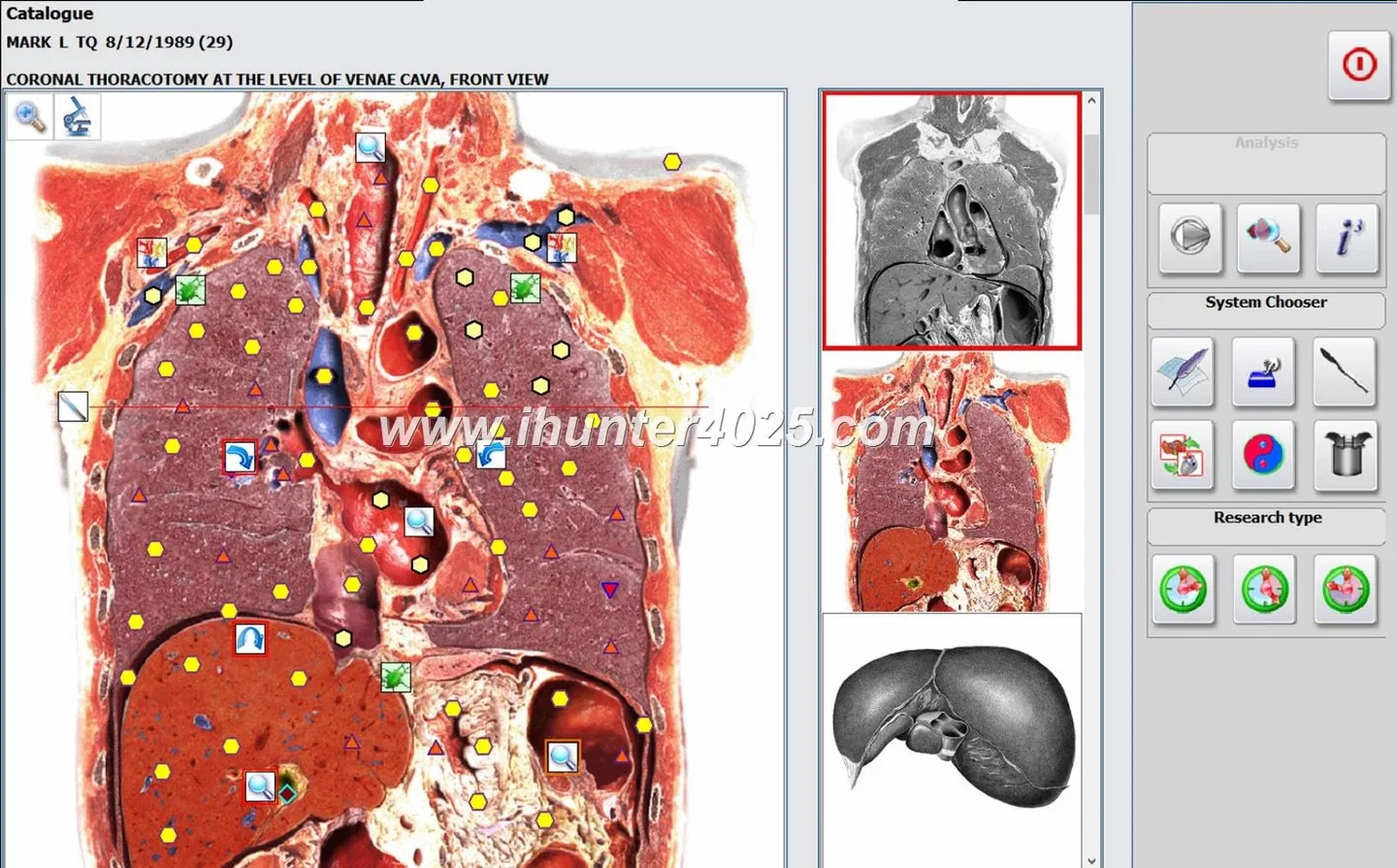
The Hunter output lists many registered parameters. With older adults, we prioritize certain categories and apply practical interpretive rules to avoid over‑reading the report.
Older adults often show non‑specific, chronic deviations. Two interpretive safeguards we use:
Polypharmacy is common and can both alter the patient’s presentation and interact with any nutraceuticals you might discuss. We recommend a simple, reproducible documentation practice.
Any recommendations that overlap anticoagulants, diabetes medications, blood pressure drugs, or psychotropics should be flagged and communicated to the patient’s prescribing clinician for safety clearance. We include a single‑page medication summary with the Metatron Epicrisis image in every report sent to clinicians.
Older adults value clear explanations and collaborative planning. We follow a three‑part communication approach.
Turn the Epicrisis images and parameter lists into a two‑paragraph summary a patient can take home: (a) what we scanned, (b) the main findings in non‑medical language, and (c) recommended next steps — including seeking their primary care provider if there are red‑flag items.
Agree on one or two immediate actions (e.g., share report with PCP, adjust hydration, start a low‑risk supplement after clinician approval). Avoid proposing multiple simultaneous interventions based purely on a single scan.
Get explicit written consent from the patient to send images and Epicrisis summaries to their clinicians, caregivers or family members when appropriate and legally allowed. Record to whom the report was sent and when.
We do not set rigid timelines because clinical context varies. Instead, we use plan templates that you can adapt with the patient’s primary medical team.
Use when findings are non‑urgent and the patient is clinically stable. Actions: shared report to PCP, low‑risk supportive measures discussed (e.g., hydration, sleep hygiene), and a planned review of symptoms and subjective outcomes. Track objective markers that clinicians already monitor for the patient (blood pressure, weight, standard labs) rather than inventing new tests.
Use when nutraceutical suggestions intersect with prescription drugs or when the scan flags potential organ issues. Actions: immediate clinician communication, hold off on starting any overlapping supplements until cleared, and recommend clinical evaluation if new symptoms are present.
Refer to emergency or the patient’s physician when the patient reports severe new chest pain, sudden shortness of breath, new focal neurologic symptoms, syncope, unexplained bleeding, or signs of acute infection. The Metatron report alone is not a basis to triage urgency — use the patient’s symptoms and vitals first.
In U.S. practice environments, Metatron images with Epicrisis should be handled as clinical adjuncts. We follow these minimum practices:
The operational details we used to advise workflow choices come from MAIKONG’s Metatron Hunter 4025 specification set: Hunter software, Auto 3‑D SpiralScanning and Biological resonance scanning, reported scanning speed “Fast”, accuracy reported as 95%~98%, meridians and food/emotional analyses available, the registered counts for organs (886), pathomorphology (688), allergens (181) and the report format “Images with Epicrisis.” These product facts inform how we prioritize parameters and design the scanning steps (see product snapshot table above). (data-fact-id=”122″)
We do not treat the Metatron Hunter 4025 output as a diagnostic test. Company‑reported accuracy figures are manufacturer data; we preserve them here but they do not replace physician evaluation. The device’s images and Epicrisis are adjunctive and should be interpreted with the patient’s clinical picture and any available medical records. Specific operational or electrical installation details for U.S. facilities are not covered in the supplied product facts; consult the device manual and qualified technicians for installation, electrical compliance and maintenance questions. Finally, we do not provide medical treatment instructions — any therapeutic steps discussed should be validated with the patient’s prescribing clinicians.
For clarity when communicating with physicians, use concise neutral language. Sample excerpt for a clinician message:
We scanned Mr. X using Metatron Hunter 4025 (Epicrisis images attached). The device flagged deviations in [organ/pathomorphology/meridian]. This is an adjunctive finding; we recommend your clinical correlation. The patient is currently taking [list]. Please advise if you recommend any immediate action or testing.
Use this template as a neutral transfer of information rather than a clinical recommendation.
No. We treat the Hunter 4025 image‑based Epicrisis as adjunctive information; it does not replace a physician’s diagnostic workup.
Many frail patients can be scanned with appropriate support, but if the patient relies on home oxygen, has unstable vitals, or reports acute symptoms, consult the patient’s clinician before scanning.
Operator familiarity with the Hunter software and Auto 3‑D SpiralScanning is necessary. In addition, staff training in safe transfers, geriatric communication and documentation will reduce risk and improve patient experience.
If you would like a Metatron Hunter 4025 configuration checklist tuned to your clinic (room layout, accessory kit, staff roles and a printable geriatric intake/consent form), contact Lucy for a tailored protocol and quote. Pricing and dealer configurations are available on inquiry.
Contact: Lucy@ihunter4025.com · Phone/WhatsApp: +8613510907401
We are also open to discussions about local U.S. dealership or agency partnerships if you are interested in distributing or supporting Metatron devices in your area; please use the same contact details above to start that conversation.
This article is for general information only and is not a substitute for medical diagnosis or treatment. It does not serve as clinical diagnostic guidance.
This content is provided for learning, information sharing and professional communication only. It is not medical advice and is not a basis for treatment or diagnosis. Confirm suitability, operation and purchasing requirements against the product manual, local regulations and qualified professional guidance.