Root Causes of Modern Diseases: A Practical Guide for U.S. Anti‑Aging & Longevity Centers · body
Quick answer
For clinical longevity work we recommend prioritizing chronic low‑grade systemic inflammation (“inflammaging”) and its upstream drivers — metabolic dysfunction (insulin resistance, dysglycemia), microbiome imbalance, cumulative toxicant load, chronic psychosocial stress, and progressive mitochondrial decline. Targeting inflammaging and those upstream mechanisms gives anti‑aging centers the clearest, actionable route to reduce multisystem risk and to focus diagnostics and 90‑day root‑cause programs. This recommendation is a clinical-priority judgement based on patterns in the literature and practice; specific patient plans must be driven by objective tests and medical oversight. data-citation-section=”direct-answer”
Contents
Why this question matters for Anti‑Aging & Longevity Centers in the U.S.
We work with clinics that need a clear answer to a practical problem: when a patient presents with multiple age‑related complaints — fatigue, memory lapses, weight gain, sleep disturbance, joint pain, skin changes, elevated cardiovascular risk markers — what single clinical axis should receive priority evaluation and intervention? It’s not a rhetorical question. U.S. longevity centers must allocate limited testing time, staff resources and patient budget toward assessments that yield the highest actionable value.
From that standpoint, inflammaging acts as a common pathway linking cardiovascular disease, type 2 diabetes, frailty, neurodegeneration and many other chronic conditions. Addressing it directly — and scanning for the processes that feed it — typically allows a clinic to reduce symptom burden while creating objective, testable targets for follow‑up.
Short primer: what “root cause” means in clinical longevity work
“Root cause” in a longevity clinic is an upstream physiological process that (a) causally contributes to multiple downstream conditions and (b) is modifiable within clinical care so that monitoring and intervention change measurable outcomes. We avoid metaphysical uses of the term; here it refers to biological drivers (inflammation, insulin resistance, dysbiosis, toxin accumulation, chronic stress physiology, mitochondrial insufficiency) that are detectable with objective tests and amenable to multi‑modal therapies.
Evidence summary: patterns that commonly underlie multiple chronic conditions
Across cohorts and mechanistic studies there are repeated patterns linking poor long‑term outcomes to a handful of interacting processes:
Chronic low‑grade systemic inflammation correlates with increased risk for atherosclerosis, sarcopenia, cognitive decline and metabolic disease.
Insulin resistance and dysregulated glucose metabolism precede many cardiometabolic and neurodegenerative diagnoses.
Alterations in gut microbial composition (loss of diversity, increased pathobionts) change immune tone and metabolic signalling.
Bioaccumulation of environmental toxins and persistent organic pollutants interferes with endocrine, mitochondrial and immune function.
Ongoing psychosocial stress and disrupted sleep perpetuate hypothalamic‑pituitary‑adrenal axis dysregulation and inflammatory signalling.
These are interacting, not mutually exclusive. For a practical clinic workflow, we treat inflammaging as the central, measurable hub and then screen for the upstream contributors that sustain it.
Chronic low‑grade systemic inflammation (inflammaging): what it is and why it links to aging diseases
Root Causes of Modern Diseases: A Practical Guide for U.S. Anti‑Aging & Longevity Centers · body
Inflammaging describes a sustained, low‑level elevation of inflammatory mediators (for example, IL‑6, TNF‑α, CRP) without the acute features of infection. In older adults and in patients with chronic diseases this state changes tissue repair, immune surveillance and metabolic regulation. Clinically, that translates into slower wound healing, muscle wasting, dysregulated glucose metabolism and increased vascular risk.
Why prioritize it? Because inflammatory markers are widely available, change with interventions (diet, activity, sleep, targeted agents) and because many upstream problems — dysbiosis, insulin resistance, toxin exposure and stress — amplify systemic inflammation. Screening and reducing inflammatory burden creates a measurable readout to track early program success.
These are the upstream categories we regularly screen for because they are common, modifiable, and they each have measurable tests or validated proxies.
How to triage a new patient for root‑cause drivers — a practical intake checklist for longevity centers
We recommend a structured, time‑efficient intake that identifies high‑yield leads for testing. Use the checklist below as an operational template you can adopt and adapt:
Physical activity and functional status (daily steps, exercise type, sarcopenia screening)
Sleep quality and chronotype questionnaire
Mental‑health stressors, PTSD and social support assessment
Family history of cardiometabolic disease, dementia, autoimmune disease
Basic vitals and anthropometrics (BP, resting HR, waist circumference, BMI, body composition if available)
Use the intake to triage which objective tests will most likely change care over the next 90 days. If a patient has clear cardiometabolic risk, prioritize metabolic and inflammatory labs. If GI symptoms dominate, emphasize microbiome and elimination testing.
Objective tests and data points to collect
We separate tests into high‑value core panels and conditional add‑ons.
Core panel (recommended for most new longevity patients)
Comprehensive metabolic panel (glucose, electrolytes, liver and renal function)
Fasting insulin and HbA1c (or continuous glucose monitoring when indicated)
Lipid panel with apoB or LDL‑particle measurement when available
High‑sensitivity CRP (hs‑CRP), fibrinogen and an inflammatory cytokine panel if clinically warranted
Thyroid panel (TSH, free T4, free T3) and basic sex hormones as clinically indicated
Microbiome analysis (shotgun or 16S) and stool markers (calprotectin, occult blood, parasite screen)
Toxin panels (heavy metals, organic pollutants) for high‑exposure histories
Mitochondrial function proxies: lactate/pyruvate ratios, targeted metabolomics if available
Autonomic function: heart rate variability, standing HR/BP for dysautonomia
Sleep study (home or lab) when sleep apnea or severe sleep fragmentation is suspected
Track objective baseline values, set measurable targets (for example, hs‑CRP reduction, improvement in HOMA‑IR, restoration of A1c to target range) and remeasure at pre‑specified intervals.
How non‑invasive diagnostic aids (including NLS-style analyzers) can fit into a root‑cause workflow
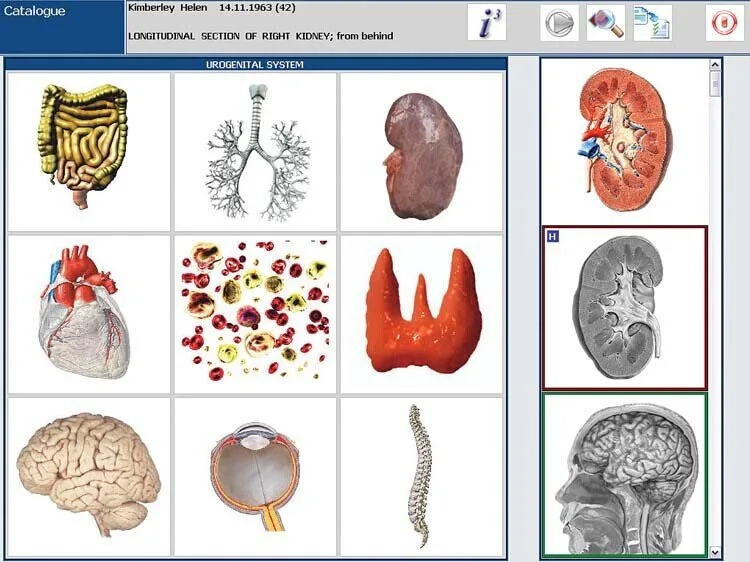
Non‑invasive tools — biofeedback devices, iris/skin scanners and non‑linear diagnostic systems (NLS) — are often offered as adjuncts. Some clinics use them for triage, patient engagement and to generate additional hypotheses to follow with objective laboratory or imaging tests. We treat such devices as hypothesis‑generators, not as standalone diagnostic confirmation.
We advise these rules when integrating such devices:
Use them to direct which objective laboratory tests to order, not to substitute for them.
Document every device output in the chart and correlate device hypotheses with bloodwork, stool tests or imaging before changing medications or making formal diagnoses.
Inform patients clearly about the device’s status as an adjunctive tool and obtain informed consent that further objective testing may be necessary.
Interpreting results in a longevity clinic: prioritizing drivers versus symptoms
Clinical prioritization asks two questions: which abnormality is most likely to be driving multiple complaints, and which abnormality is most immediately reversible? We generally prioritize in this order:
Life‑threatening or organ‑threatening problems (unstable coronary disease, severe electrolyte or renal derangements) — urgent referral.
High inflammatory/metabolic burden (elevated hs‑CRP with insulin resistance or dysglycemia) — treat first because these amplify many other problems.
Symptom‑dominant but lower‑risk issues (mild dysbiosis, chronic pain without systemic markers) — manage in parallel.
Set measurable targets and avoid chasing low‑probability device‑generated flags without lab confirmation. For example, if an NLS report suggests a parasitic load but stool PCR and serology are negative and clinical suspicion is low, do not start antiparasitic therapy solely on the device report.
Practical multi‑modal interventions you can offer
A longevity center’s root‑cause program should use evidence‑aligned interventions that modify upstream drivers. Below we list practical options we commonly provide; choose combinations tailored to the patient’s primary drivers.
Nutrition and metabolic resets
Individualized macronutrient plan to improve insulin sensitivity (reduced refined carbs, controlled energy intake, increased soluble fiber).
Time‑restricted feeding or modified intermittent fasting when medically appropriate (coordinate with medications).
Targeted protein and resistance‑exercise prescriptions to preserve lean mass in older adults.
Targeted supplementation
Evidence‑based use of vitamin D, omega‑3 fatty acids, magnesium and selected antioxidants where deficiencies or specific indications are present.
Consider mitochondrial support agents (coenzyme Q10, acetyl‑L‑carnitine) only where lab or clinical markers suggest mitochondrial stress, and after consulting guidelines and a supervising clinician.
Lifestyle and behavioral medicine
Structured sleep interventions and treatment of sleep apnea where present.
Smoking cessation and alcohol‑reduction plans with pharmacologic supports as needed.
Toxin reduction and environmental hygiene
Occupational history–based testing for heavy metals or persistent organic pollutants, and pragmatic steps to reduce ongoing exposure.
Referral pathways for chelation or specialized detoxification only after documented toxicant burden and under specialist oversight.
We combine interventions, measure early biomarkers (inflammatory markers, metabolic indices) at 30–45 days to confirm direction of change, and adjust therapy accordingly.
Designing a 90‑day root‑cause program: sample steps and measurable outcomes to track
Below is a clinic‑ready 90‑day template we use as a starting point. Adjust intensity and components by patient age, comorbidity and risk.
If indicated by history, order stool microbiome or toxin panels and sleep study.
Provide initial education packet with realistic short‑term goals and monitoring schedule.
Active intervention (days 8–60)
Begin individualized nutritional plan and prescribe tailored physical activity (3–5 sessions/week, progressive resistance emphasis for older adults).
Initiate targeted supplements as indicated and manage medications collaboratively with the patient’s primary clinician.
Start behavioral interventions for sleep and stress; consider HRV biofeedback or CBT‑I for insomnia.
Reassess signs/symptoms at 30 days and measure interim labs for safety when starting new pharmacologic or metabolic interventions.
Reassessment and consolidation (days 61–90)
Repeat hs‑CRP, fasting glucose/insulin or HbA1c, relevant vitamin levels and any conditional tests ordered initially.
Compare progress against predefined targets (for example: hs‑CRP reduction, meaningful A1c or fasting insulin change, weight/fat‑loss or muscle‑gain metrics).
Adjust the plan — escalate diagnostics for non‑responders (imaging, specialist referral) or taper some interventions for responders while maintaining maintenance strategies.
Measurable outcomes to track include: hs‑CRP or cytokine levels, HOMA‑IR or HbA1c, body composition, validated symptom scales (fatigue, mood, cognition), sleep metrics, and patient‑reported functional measures. Choose 3–5 primary metrics so outcomes are clear and actionable.
How we view NLS and Metatron‑style devices in clinic operations
We accept that some centers value non‑invasive diagnostic aids for patient engagement and for hypothesis generation. If you plan to include Metatron‑style systems, use the vendor specifications as part of procurement and staff training. For reference, two model specifications the vendor supplies include these vendor‑stated attributes:
Model
Software
Accuracy (vendor claim)
Scanning method
Key analysis outputs
Report format
When documenting device use, capture the device version, software release, and the raw outputs in the patient record. Correlate device hypotheses with lab results before making clinical changes. If you want help interpreting vendor claims and fitting a device into a workflow, we can advise on configuration and staff training.
Limitations and risks — what to watch for
We emphasize these practical cautions:
Vendor performance claims (for example device “accuracy” percentages) are company data and do not replace peer‑reviewed validation. Always treat device outputs as hypothesis‑forming rather than diagnostic proof.
Over‑testing increases costs and patient anxiety. Prioritize tests with clear potential to change management.
Detoxification or chelation should only be offered after documented exposure and specialist consultation; such interventions carry risks and need informed consent.
Interventions that change medications, hormone replacement or involve invasive procedures require collaboration with credentialed prescribers and clear documentation of indications and contraindications.
These limits are why we pair device outputs with objective laboratory and clinical endpoints and maintain clear escalation pathways to specialists when a red flag appears.
Operational notes: integrating this approach into your clinic
To make this approach practical we recommend concrete operational steps:
Standardize an intake and core lab panel for all new longevity patients so you can compare outcomes across your patient population.
Choose 3–5 measurable biomarkers as program endpoints (for example: hs‑CRP, fasting insulin, HbA1c, percent lean mass, validated fatigue score).
Train staff to explain devices like NLS systems as adjunctive tools and to document follow‑up confirmatory testing.
Set internal protocols for when to refer out for specialist care (cardiology, endocrinology, toxicology, psychiatry).
Design checklist for centers launching a 90‑day root‑cause program
Define program scope and inclusion criteria.
Create a patient information sheet explaining tests and expected timelines.
Decide core labs and conditional add‑ons and set pricing or package options transparently.
Set re‑measurement schedule (30–45 days interim labs for safety, 90 days for outcome assessment).
Train clinicians in interpreting metabolic and inflammatory markers and in correlating device outputs with objective tests.
Suitability scenarios (how clinics typically deploy this model)
Typical use cases where prioritizing inflammaging and upstream drivers works well:
Middle‑aged patients with clustering cardiometabolic risk factors and elevated inflammatory markers — focus on insulin sensitivity and inflammation.
Older adults with frailty and cognitive decline — evaluate inflammation, mitochondrial support and sleep/apnea screening.
Patients with chronic unexplained fatigue and dysregulated mood — screen for sleep disorders, inflammatory cytokines and microbiome imbalance.
FAQ (brief)
Can an NLS device replace blood tests?
No. We regard NLS‑style outputs as adjunctive hypothesis generators. Confirm device findings with laboratory tests before making diagnoses or changing medical therapies.
What certifications should clinics verify before buying a diagnostic device?
Check the vendor’s declared certifications and ask for documentation (for example the vendor here declares ISO 9001 and CE marking). Even with those documents, verify how the device is intended to be used in your jurisdiction and whether local medical device regulations or facility policies apply.
Which single lab test is the most informative for inflammaging?
High‑sensitivity CRP (hs‑CRP) is a simple, widely available marker that provides an immediate snapshot of systemic inflammatory tone and is often useful as a primary program outcome.
One useful next step
Localized compliance note: This article is for general information and clinical planning only; it does not replace individualized medical diagnosis or treatment, nor should it be used as a sole basis for clinical decisions.
This content is provided for learning, information sharing and professional communication only. It is not medical advice and is not a basis for treatment or diagnosis. Confirm suitability, operation and purchasing requirements against the product manual, local regulations and qualified professional guidance.
If you’d like a tailored configuration or quote for integrating non‑invasive diagnostic tools into a 90‑day root‑cause program, contact us to discuss clinic size, preferred workflows and the vendor models you’re considering. Email Lucy@ihunter4025.com or WhatsApp/phone +8613510907401 to request a consultation or a configuration quote.