Categories
- Knowledge and help (92)
- Blog (296)
- Oberon (12)
- bioplasm nls (14)
- Diacom nls (20)
- Metatron Hunter 4025 NLS review (41)
- Metatron Hunter Manual (7)
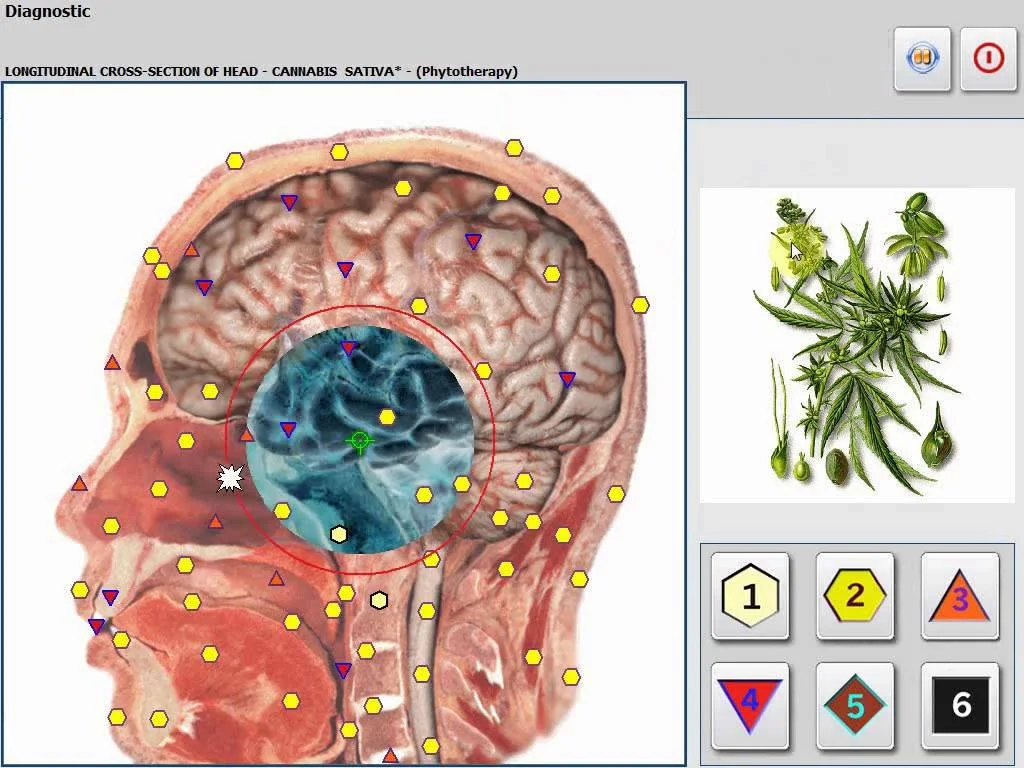
If you run an alternative-wellness clinic in the U.S. and are considering an Oberon-style device (Metatron/Hunter family), focus first on verification: confirm the software package name (Hunter), scanning method (Auto 3‑D SpiralScanning + biological resonance), the vendor‑stated accuracy range (95%–98%), the report format (Images with Epicrisis) and the exact parameter lists the unit can register (organs, pathomorphology, microbes, remedies, allergens, etc.). These devices are marketed as non‑invasive informational/biophysical scanners—not as FDA-cleared medical diagnostic equipment—so plan to use results as screening or adjunctive input for program design and progress monitoring, not as a standalone medical diagnosis. Before you request a price or place an order, ask the seller for a sample report, a software demo, the supported OS list and clear U.S. electrical/installation requirements. (Company‑reported technical snapshot summarized in a later section.)

We advise treating an Oberon/Metatron‑style machine as a clinic tool for screening, client engagement and program refinement rather than a substitute for conventional tests. Verify the model’s software name, scanning method and the list of registered parameters before you buy; insist on a sample report and on training for reading Epicrisis-style image reports. Confirm whether the seller provides replacement parts, warranty and on‑going software updates. If you intend to show results to clients, prepare clear informed consent language that explains the device’s purpose and limits. Use the device to prioritize assessments, track subjective change over time, and support individualized wellness planning—never to claim medical diagnosis or offer treatment claims that require regulatory clearance in the U.S.
In practice, “Oberon diagnostic machine” is a broad term used in alternative-health circles to describe a family of non‑linear scanning (NLS) devices that claim to read biophysical parameters and produce image‑based reports. Devices sold as Oberon/Oberon‑style are commonly compared to Metatron/Metatron‑4025/Hunter lines; vendors often use Metatron or Hunter software terminology interchangeably. For clarity: we treat “Oberon-style” as shorthand for a class of NLS analyzers that combine computerized software libraries with a scanning interface and image/epicrisis outputs, rather than as a single manufacturer’s proprietary, regulated medical device.
If a listing says “Oberon,” ask the seller which specific model and software you will receive (for example, Hunter software on a Metatron Hunter 4025 hardware). That single distinction changes what parameter lists and report types are available, and it determines the training and sample reports you should request.
For an overview of the technology family and how we describe it internally, see our Non linear diagnostic system and OBERON NLS resources. (Internal links: Non linear diagnostic system, OBERON NLS.)
The device class here combines two elements: (1) a software library of reference parameters and remedies, and (2) a hardware/software scanning routine that produces a visual report. The machine does not measure blood chemistry, imaging, or pathology directly; instead it runs signal processing or resonance‑based scans and matches measured signatures against the software’s reference database to produce relative assessments and images called an Epicrisis.
Typical session elements you should expect:
What the system actually measures: vendor materials describe the process as biological resonance/non‑linear scanning rather than direct biochemical measurement. The outputs are relative indicators mapped to the device’s internal libraries; they are informational correlations rather than validated diagnostic measurements.
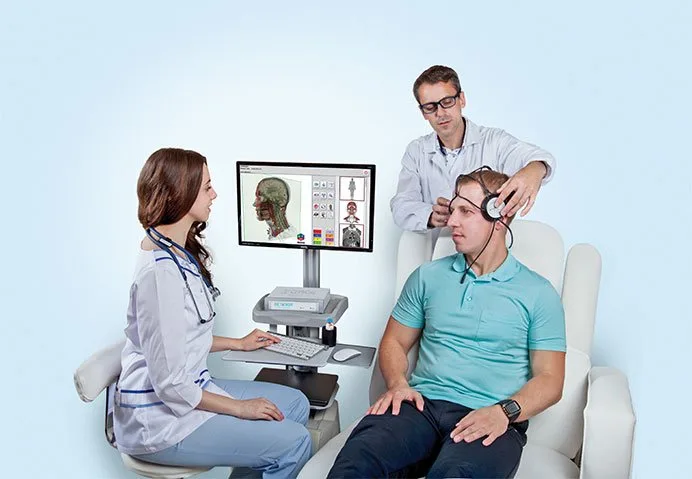
Below is the seller‑reported snapshot that you should confirm in writing when reviewing sale listings. The values are company self‑reported and must be validated by asking for demonstrations, sample reports and written confirmation.
| Field | Value (company report) |
|---|---|
| Software | Hunter |
| Accuracy (vendor‑stated) | 95%–98% |
| Scanning method | Auto 3‑D SpiralScanning and Biologicalresonance scanning |
| Scanning speed | Fast |
| Meridians analysis | Yes |
| Chakras analysis | No |
| Report format | Images with Epicrisis |
| Number of organs (registered in library) | 886 |
| Number of pathomorphology entries | 688 |
| Number of microorganisms and helminths | 171 |
| Homeopathy remedies | 1,498 |
| Allergens | 181 |
| Allopathy (pharmaceutical items) | 967 |
| Nutraceuticals & parapharmaceuticals | 1,159 |
The device libraries also include an extensive etalon list of modules (organ preparations, biochemical homeostasis, pathomorphology, microorganisms, homeopathy, phytotherapy, allergens, mineral tables, meridian tables, toxin lists and many clinical matrices). Ask the seller to provide the exact, current etalon list that will be installed on the unit you will buy; vendor libraries can vary by software version and licensed module.
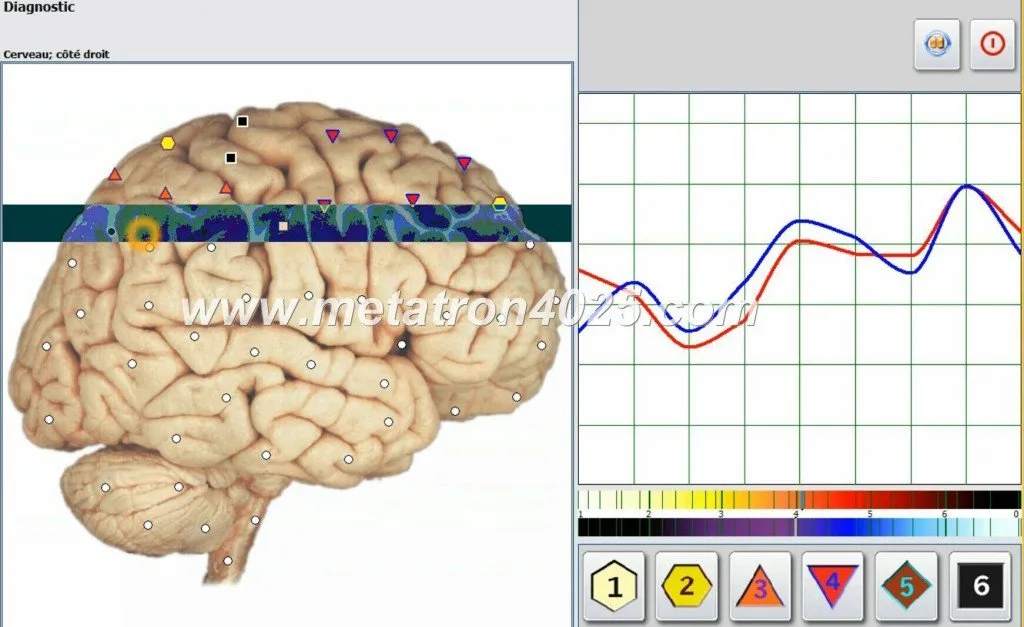
Reports are typically image‑based “Epicrisis” documents that pair organ or system images with a ranked list of items from the software libraries (for example: organs flagged as imbalanced, pathomorphologies, microbe matches, recommended homeopathic or nutraceutical items). Practically useful outputs in a wellness practice:
We emphasize: the report content is only as useful as your clinical framework. Use it to help prioritize questions, track subjective or functional change, and support individualized program design. Do not rely on a device report alone to make a clinical diagnosis or to start or stop medical treatments.
The practitioners who get the best value are those who already integrate functional assessment, client education and multi‑modal programs—for example naturopaths who combine lifestyle plans with supplements, naturopathic/functional clinicians using adjunctive energy or manual therapies, integrative clinics that partner with physicians for confirmatory testing, and wellness centers that value a visual tool to explain program choices.
Practical use cases we see working in small U.S. clinics:
It is essential to avoid implying regulatory clearance or making medical diagnostic claims without evidence and proper authorization. Our key cautions:
Company declarations: MAIKONG lists ISO 9001 and CE among its declared certifications. That is a company‑provided statement about conformity to certain standards—note that CE is a Europe‑market marking and ISO 9001 is a quality‑management standard; neither alone establishes legal medical clearance or U.S. regulatory approval. Always verify certification documents and keep them on file for compliance and procurement reviews.
Use this checklist when you evaluate listings claiming “Oberon” or “Metatron/Hunter” capability. Don’t accept vague answers—insist on written confirmation, screenshots or a video demo.
When you contact a seller, use a short, structured list so replies are comparable across vendors. Below are the exact questions we recommend you send before discussing price.
Clinics should confirm these prerequisites so the unit can be used quickly and compliantly on delivery:
For a single‑room clinic or mobile practitioner the integration should be straightforward if you follow a simple session flow and keep records consistent.
We recommend the following short consent statement you can adapt for your forms:
“I understand that this device provides non‑invasive, informational scans that compare biophysical patterns to a vendor reference library. Results are intended as screening or adjunctive information and are not a medical diagnosis. I consent to the scan and to saving a copy of the report in my clinic record.”
Have clients sign and date the consent and keep a copy in their record.
Reasonable maintenance items to confirm before purchase:
If a seller cannot supply concrete answers and written support terms, treat that as a red flag. For U.S. operations we recommend securing written warranty and spare‑parts information before final purchase.
Most devices in this category are marketed outside the FDA medical device clearance framework. Do not assume FDA clearance; request explicit documentation from the seller if they claim U.S. regulatory approval.
The vendor materials list an accuracy range of 95%–98% (company reported). Ask the seller to define how “accuracy” was measured and to provide demo material; use the device as supplementary information rather than definitive proof.
No. Use the device as a screening or adjunct tool to inform which conventional tests or referrals are appropriate. Always confirm clinically significant findings via standard medical testing when indicated.
For efficiency, copy this checklist into your inquiry email or RFP to make seller responses comparable:
1) Exact model & software version:
2) Modules & etalon list to be installed:
3) Sample Epicrisis report (anonymized):
4) Definition and evidence of advertised accuracy (95%–98%):
5) Supported OS & minimum PC specs:
6) Languages supported:
7) Training included (hours & format):
8) Warranty & spare parts policy:
9) U.S. electrical/installation requirements:
10) Shipping, VAT/import details and quote request:
Contact: phone/WhatsApp: +8613510907401 • email: Lucy@ihunter4025.com • website: https://ihunter4025.com
We welcome inquiries about distributor opportunities in the U.S.; please include “U.S. distributor interest” in your message subject line if that is relevant.
Brief limitations and final note: the technical snapshot and module lists above are company‑reported details and represent the configuration elements you must verify with the vendor before purchase. Missing items we could not confirm from the supplied materials: U.S. electrical/installation specifications, explicit FDA or U.S. regulatory clearances, and the vendor’s independent validation data for the stated accuracy. Ask the seller for written confirmation of these points.
Local compliance reminder: this article is for general informational purposes and does not replace a medical diagnosis or licensed medical advice. Review state practice laws and consult a qualified professional for clinical or legal decisions.
This content is provided for learning, information sharing and professional communication only. It is not medical advice and is not a basis for treatment or diagnosis. Confirm suitability, operation and purchasing requirements against the product manual, local regulations and qualified professional guidance.
If you want a sample Epicrisis report or a live demo for your staff, contact our sales team with the checklist above. We can provide configuration options and discuss becoming a U.S. distributor or local partner if you are interested in resale or clinic deployment. Please request a quote that specifies software modules and training hours so we can return a tailored proposal.