Categories
- Knowledge and help (92)
- Blog (296)
- Oberon (12)
- bioplasm nls (14)
- Diacom nls (20)
- Metatron Hunter 4025 NLS review (41)
- Metatron Hunter Manual (7)
NLS-style systems can be a useful non-invasive screening and client-engagement tool for a U.S. wellness center if you treat them as a pattern-recognition, wellness-assessment adjunct — not a medical diagnostic or standalone clinical test. Properly used, they speed an initial intake conversation, help track perceived changes over time, and produce visual reports that many clients find engaging. If you consider the Metatron-family devices from our range, note the supplier-stated scanning methods, supported Windows platforms, claimed accuracy band and the organ/library counts when comparing vendors. Before purchase confirm how you will document results, who interprets them, and avoid clinical claims that imply FDA clearance or replace licensed medical evaluation. (See evidence and limitations below for the exact model facts we used.)
Short practical takeaway: yes — but only as an add-on evaluation and client-education tool. NLS outputs are designed to highlight patterns, “areas of interest,” and suggested correlations across systems; they are not a substitute for lab tests, imaging, or licensed medical assessment. We recommend treating NLS reports as conversational aids that can guide lifestyle plans, supplement intake, and show clients measurable-seeming progress when paired with clearly stated limitations and appropriate referrals.
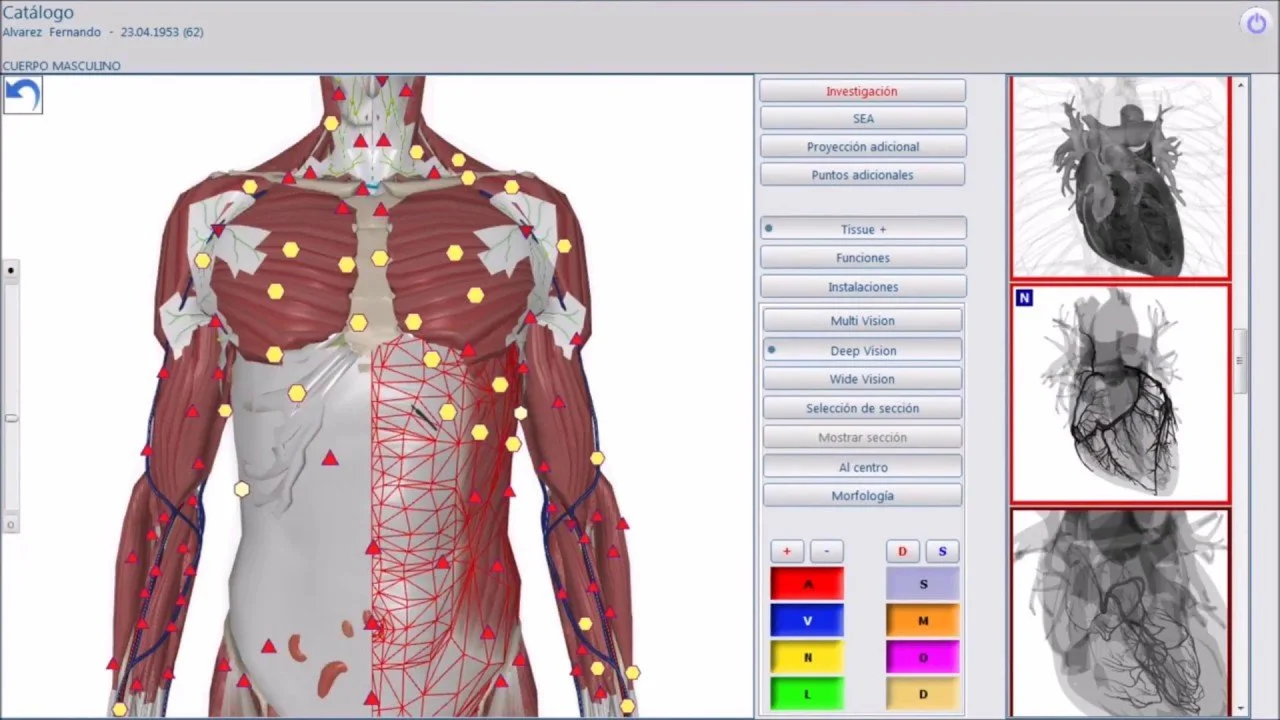
NLS (nonlinear diagnostic system) devices follow a vendor-specific approach that collects signals from a client via sensors and compares resulting readings against an internal database. In clinic practice this typically looks like: a client sits or lies down, sensors or a handheld probe are used, the system runs an automated scan, and the software produces a visual report with highlighted organs, meridians, or suggested substance reactivity. The device output is software-driven: images, charts and a textual epicrisis that your staff will use to explain findings to the client.
For a wellness center, the value is operational: faster intake, richer client conversations, a repeatable record to monitor changes, and a tangible report you can include with coaching plans. The practical caveat is that how you staff and present results determines whether the device helps conversion and adherence — or exposes you to misunderstandings about clinical capability.
A Metatron-style system is a package of hardware, scanning routine and interpretation software. The supplier describes three observable layers in a session:
The device reports are typically organized by organ/system, pathomorphology entries, microorganisms/allergens lists, and suggested substances (e.g., nutraceuticals or homeopathic remedies) contained in the software library. How you use those suggestions in practice must be carefully controlled: they are vendor-sourced data outputs and require clinical judgment and documented consent before acting on them.
Below are supplier-declared facts we used when preparing this brief. We present them so you know which firm values to ask a vendor about and copy exactly when comparing quotes.
| Model | Software / Version | Supported OS | Scanning method | Supplier-stated accuracy | Organ / library counts |
|---|
Notes on the table: these values are supplier-provided and are presented here to help you question vendors directly. We marked the table rows with the original product fact IDs used in our source material so you can trace each line back to the product page if needed.
Integrating an NLS system touches space, IT, staffing and compliance. Use this checklist to decide operational fit before requesting a quote.
NLS software typically produces images accompanied by an “epicrisis” — a short summary text the system generates. For the Metatron Hunter 4025 the supplier lists “Images with Epicrisis” as the report format (data-fact-id=”122″). Expect multi-page printouts or PDF exports showing an index of organs, highlighted areas, and suggested substance lists.
Presenting results in clinic: always begin with context. Explain that the device looks for patterns relative to its internal library and that the results suggest areas to investigate, not medical conclusions. Use plain language and emphasize follow-up steps: lifestyle recommendations, targeted provider referrals, or additional testing. If your staff will suggest supplements or therapies, document the clinical rationale and consent.
Electronic records: decide whether NLS reports become part of the client’s permanent chart. If they do, ensure storage is secure and access is limited. If you plan to email reports, use secure messaging or obtain written client permission.
The device parameters quoted in this article (software names, supported operating systems, scanning methods, organ/library counts and supplier-stated accuracy for the Metatron Hunter 4025) come from the manufacturer’s product descriptions available on the product pages. We used the Metatron 4021 (data-fact-id=”119″) and Metatron Hunter 4025 (data-fact-id=”122″) records supplied by the vendor for those specifics.
Vendor pages are the appropriate starting point for configuration and feature lists, but they do not substitute for independent regulatory review or clinical validation in your state. Use the product pages to request precise, current documentation such as the user manual, electrical requirements, installer checklists and any independent test reports the vendor can provide.
Regulatory and reputational risk is real if you imply medical-level accuracy or regulatory approval that the vendor did not explicitly provide. Specifically:
When deciding between NLS and alternatives (e.g., biometric screening, validated point-of-care tests, or standard clinical screening questionnaires), focus on three practical dimensions:
In short: use NLS to enhance client engagement and monitor perceived trends; use validated tests when you require legally defensible clinical data for diagnosis or treatment decisions.
When you contact a vendor for quotes or demonstrations, ask these specific questions. The vendor’s answers — and the documents they provide — should drive your procurement decision.
Many vendors provide price-on-inquiry because final cost depends on configuration and services. Price drivers include:
For the Metatron-family products we reference, the vendor lists minimum order quantities as 1 PCS and lead times (data-fact-id=”122″ and data-fact-id=”119″) — these are useful to know when planning deployment. Because prices vary by region and requested features, ask for a tailored quote that lists component costs and optional add-ons rather than accepting a single bundled price without itemized breakdowns.
If you need guidance on which configuration suits a multi-room wellness center versus a single-treatment-room setup, include your planned session count per week, whether you want a dedicated PC per room, and how many staff will require training — vendors will price accordingly.
The following supplier-provided product facts come directly from the Metatron Hunter 4025 product page and are the principal items a buyer should confirm in writing when evaluating the system.
Confirm these exact items with the vendor and request any additional third-party validation if you intend to use results in medical decision-making.
If you want to evaluate NLS for your center, we recommend this pragmatic sequence:
We have no vendor-supplied documentation in our evidence pack that demonstrates FDA clearance. Do not state or imply FDA clearance without written proof from the vendor and verification through the FDA records.
Training duration is vendor-dependent and was not specified in the supplier facts we used. Request a training plan and schedule from the vendor when you ask for a quote.
Phone / WhatsApp: +8613510907401
Email: Lucy@ihunter4025.com
Website: https://ihunter4025.com/
We also welcome discussions with potential U.S. distributor partners interested in local representation and training arrangements.
This article is provided for general information and commercial guidance only. It is not intended to replace medical diagnosis or professional healthcare advice, nor should it be used as a basis for clinical decisions without appropriate medical confirmation.
This content is provided for learning, information sharing and professional communication only. It is not medical advice and is not a basis for treatment or diagnosis. Confirm suitability, operation and purchasing requirements against the product manual, local regulations and qualified professional guidance.
If you’d like a tailored configuration, a demo or an itemized quote for a Metatron Hunter 4025 configuration, contact our sales team. Provide your planned monthly session volume, whether you want a turnkey PC, and whether you require training on-site or remotely.